🧪
ACACIA FARNESIANA FLOWER WAX
CAS — · other · KR 스위트아카시아꽃왁스
Generally Low Concern1 citation
Acacia Farnesiana Flower Wax is a wax obtained from the flowers of Acacia farnesiana, Fabaceae.
ACACIA FARNESIANA FLOWER WAX is an other ingredient used in skincare formulations.
FLAVOURING
⚠️ Data is provided for informational purposes only. It may contain inaccuracies and should be independently verified. This is not medical advice. Consult a healthcare professional before making health decisions.
Quick facts
Description: ACACIA FARNESIANA FLOWER WAX — FLAVOURING.
All Functions: FLAVOURING
Quick Facts:
- Category: other
Proven Benefits At A Glance:
- Acacia Farnesiana Flower Wax is derived from the acacia plant
- It has been reported to have astringent properties
- Safety data for this ingredient is currently considered insufficient
- More research is needed before its safety in cosmetics can be fully established
Comedogenicity
No data yet
Not rated for this ingredient yet.
Similar Ingredients

<I>ALOE VERA</I>, WHOLE LEAF EXTRACT
other
<I>CLONORCHIS SINENSIS</I> (INFECTION WITH)
other
<I>GINKGO BILOBA</I> EXTRACT
other
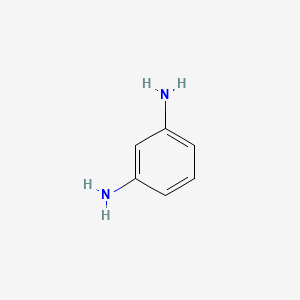
<I>META</I>-PHENYLENEDIAMINE
other
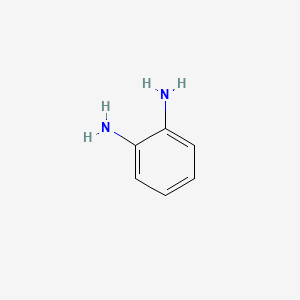
<I>ORTHO</I>-PHENYLENEDIAMINE
other
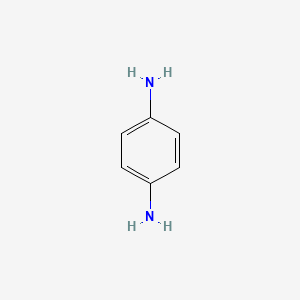
<I>PARA</I>-PHENYLENEDIAMINE
other
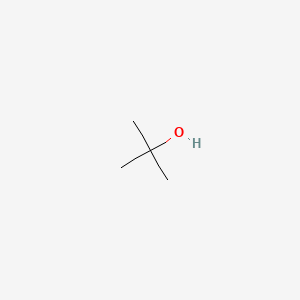
<I>TERT</I>-BUTYL ALCOHOL
other
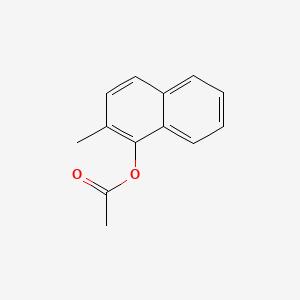
1-ACETOXY-2-METHYLNAPHTHALENE
other
📰 More News
-
The CCL20-CCR6 axis predominantly drives IL-17-mediated psoriasis while modestly contributing to papain-induced type 2 inflammation
PubMed · Jul 11, 2026
-
SkinCeuticals Just Reformulated Its C E Ferulic Serum
Allure · Jul 20, 2026
-
Are Sunscreen Oils Just Tanning Oils in Disguise? Experts Weigh In
Allure · Jul 20, 2026
-
Update to RIFM fragrance ingredient safety assessment, propenylguaethol, CAS Registry Number 94-86-0
PubMed · Jul 20, 2026
-
Earth Harbor Obscura Night Repair Concentrate Review
Allure · Jul 21, 2026
-
Okay, We’ll Bite: Fruity Perfumes Are Cool
Allure · Jul 21, 2026