Mia Seilern
⚠️ Data is provided for informational purposes only. It may contain inaccuracies and should be independently verified. This is not medical advice. Consult a healthcare professional before making health decisions.

Quick Facts:

  • Category: other
  • Also Known As: Mineral oil

Proven Benefits At A Glance:

  • Mineral oils are mixtures of saturated hydrocarbons used in skincare for protection and cleansing
  • Research shows mineral oils stay on the skin surface and don’t penetrate into the body
  • Mineral oils are non-allergenic because they’re chemically stable and don’t go rancid like plant oils
  • Topical use of refined mineral oils has not been linked to toxicity or tumor formation in animal studies
  • In Europe, mineral oils in cosmetics must meet strict purity standards to exclude harmful substances
Safety: Generally Low ConcernResearch confidence: Good

Safety tier is a starting heuristic from regulatory status and comedogenic rating, not a dermatological verdict — see our Terms for the full disclaimer. Research confidence reflects how many real cited studies back this ingredient, not the strength of their findings.

🧪 MINERAL OILS

MINERAL OILS

CAS Number:

Also Known As: Mineral oil

Category: other

MINERAL OILS is an other ingredient used in skincare formulations.

🌍 Regulatory Status

EU: No restriction on fileUS: No restriction on file

📊 Comedogenicity

No data yet
Not rated for this ingredient yet.

📚 Research & Evidence

PUBMED CITATIONS
5
Data sources: EU CosIng PubMed

🔬 The Science

Mineral oils are petroleum-derived ingredients made up of long-chain hydrocarbons—essentially carbon chains with hydrogen atoms attached (Toxicol Lett, 2017; J Eur Acad Dermatol Venereol, 2019). They’ve been used in skincare products for decades because they perform well: they protect and cleanse skin while offering flexible thickness options, and they tolerate skin well (Toxicol Lett, 2017; J Eur Acad Dermatol Venereol, 2019). #1: Minimal skin penetration. The key finding across multiple studies is that mineral oils don’t significantly enter the body through skin. A 2017 review analyzing 13 studies found that “the majority of the substances were dermally adsorbed to the stratum corneum [the outermost dead skin layer] and only a minor fraction reached deeper skin layers,” with “no evidence” they become “systemically available” (Toxicol Lett, 2017).

A 2019 review confirmed that because of their lipophilic (fat-loving) properties, “mineral oils do not penetrate human skin, thus, are not systemically bioavailable in the body” (J Eur Acad Dermatol Venereol, 2019). Animal studies of topical exposure “have not been found to produce liver granulomas, histiocytosis in the mesenteric or other lymph nodes, or any local or systemic toxicity including tumour formation” (Food Chem Toxicol, 1996). #2: Non-allergenic stability. Unlike plant-based oils, mineral oils are chemically inert—they don’t oxidize or spoil—making them “non-allergenic” (J Eur Acad Dermatol Venereol, 2019). #3: Safety record with caveats. Topical refined mineral oils have “a long history of safe use which is confirmed by clinical and epidemiological data,” with “no significant changes in the skin and no effects on any internal organ system” reported from topical application (J Eur Acad Dermatol Venereol, 2019).

However, the sources note this applies specifically to high-purity, refined mineral oils meeting regulatory standards. In Europe, cosmetic mineral oils must comply with strict purity specifications to exclude polycyclic aromatic hydrocarbons and other potentially harmful substances (J Eur Acad Dermatol Venereol, 2019). One source notes that oral exposure through lip balms is estimated to contribute less than 10% of the acceptable daily intake value (J Eur Acad Dermatol Venereol, 2019). #4: Distinction between exposure routes matters. While topical application shows no concerns, the sources distinguish this from oral or inhalation exposure, which can involve different absorption and effects (Toxicology, 2016; Food Chem Toxicol, 1996).

The sources reviewed here focus on cosmetic-grade topical use, not other exposure routes.

💧 Skin Type Compatibility

No data yet
Per-skin-type data isn’t curated for this ingredient yet.

⚠️ Don’t Combine With

No data yet
No known incompatibilities on file for this ingredient.

🧴 Products Containing MINERAL OILS

📄 Related Research

Matched by search — not necessarily verified support for every statement above.

Similar Ingredients

<I>ALOE VERA</I>, WHOLE LEAF EXTRACT
other
View
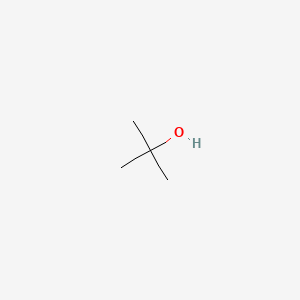
<I>TERT</I>-BUTYL ALCOHOL
other
View
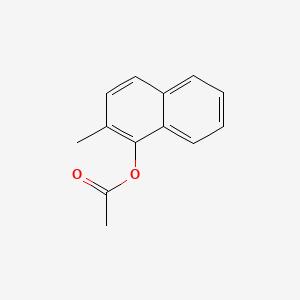
1-ACETOXY-2-METHYLNAPHTHALENE
other
View
1-HYDROXYETHYL 4,5-DIAMINO PYRAZOLE SULFATE
other
View
1-NAPHTHOL
1-NAPHTHOL
other
View
1,10-DECANEDIOL
1,10-DECANEDIOL
other
View
1,2-HEXANEDIYL DICAPRATE
other
View
1,4-BUTANEDIOL
1,4-BUTANEDIOL
other
View