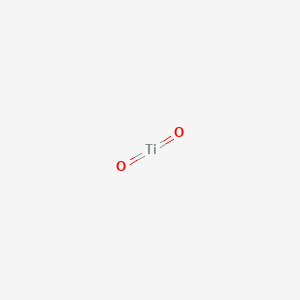
Description: NANO TITANIUM DIOXIDE — Restricted by Credo Beauty Dirty List.
Quick Facts:
- Category: other
Proven Benefits At A Glance:
- Nano titanium dioxide is a tiny particle form of titanium dioxide used across many industries
- Research shows it can penetrate through biological barriers and reach human tissues
- In lab studies on skin cells, nano titanium dioxide showed dose-dependent toxic effects at high concentrations
- Nano titanium dioxide demonstrated antimicrobial activity against certain bacteria and fungi in one study
- Particle size appears to influence how nano titanium dioxide behaves in biological systems
Safety tier is a starting heuristic from regulatory status and comedogenic rating, not a dermatological verdict — see our Terms for the full disclaimer. Research confidence reflects how many real cited studies back this ingredient, not the strength of their findings.
🧪 NANO TITANIUM DIOXIDE
NANO TITANIUM DIOXIDE
CAS Number: 13463-67-7
Also Known As: —
Category: other
Restricted by Credo Beauty Dirty List
NANO TITANIUM DIOXIDE is an other ingredient used in skincare formulations.
🌍 Regulatory Status
📊 Comedogenicity
📚 Research & Evidence
🔬 The Science
Nano titanium dioxide consists of extremely small titanium dioxide particles—the studies examined particles ranging from 15 nanometers to 80 nanometers in size. A nanometer is one billionth of a meter, making these particles invisible to the naked eye. When it comes to skin safety, the research presents a cautious picture. One study (Toxicol Lett, 2024) tested nano titanium dioxide on HaCaT cells, which are immortalized human skin cells commonly used as a laboratory model for understanding how substances affect skin. The researchers found that #1: cell viability decreased as nano titanium dioxide concentrations increased, and #2: the particles activated a cell death pathway called pyroptosis through a specific molecular mechanism (NLRP3/caspase-1/GSDMD), which also involved #3: damage to cell membranes as indicated by elevated LDH (a marker of cell damage).
Importantly, the toxicity was influenced by both the dose used and the size of the particles themselves (Toxicol Lett, 2024). The study authors cautioned that “frequent and large exposures” to nano titanium dioxide in daily life could pose health hazards, though this conclusion is based on laboratory cell studies rather than human use data. On the antimicrobial side, a separate study (J Prosthet Dent, 2025) found that nano titanium dioxide incorporated into silicone materials showed antimicrobial effects against Staphylococcus aureus, Escherichia coli, and Candida albicans—three common microorganisms. However, this research specifically examined nano titanium dioxide in maxillofacial prosthetics (artificial facial parts), not in skincare products applied to living skin.
The current research is limited: the toxicity data comes only from lab-cultured skin cells, not from studies on actual human skin, and the antimicrobial data comes from silicone materials rather than skincare formulations. The sources do not provide information about nano titanium dioxide’s effectiveness or safety in actual consumer skincare products at typical use concentrations.
💧 Skin Type Compatibility
⚠️ Don’t Combine With
🧴 Products Containing NANO TITANIUM DIOXIDE
📄 Related Research
Matched by search — not necessarily verified support for every statement above.
Similar Ingredients
📰 More News
-
The CCL20-CCR6 axis predominantly drives IL-17-mediated psoriasis while modestly contributing to papain-induced type 2 inflammation
PubMed · 23 days ago
-
SkinCeuticals Just Reformulated Its C E Ferulic Serum
Allure · 14 days ago
-
Are Sunscreen Oils Just Tanning Oils in Disguise? Experts Weigh In
Allure · 14 days ago
-
Update to RIFM fragrance ingredient safety assessment, propenylguaethol, CAS Registry Number 94-86-0
PubMed · 14 days ago
-
Earth Harbor Obscura Night Repair Concentrate Review
Allure · 13 days ago
-
Okay, We’ll Bite: Fruity Perfumes Are Cool
Allure · 13 days ago