POLYETHYLENE GLYCOL
CAS — · also known as PEG, Polyethylene Glycol · other
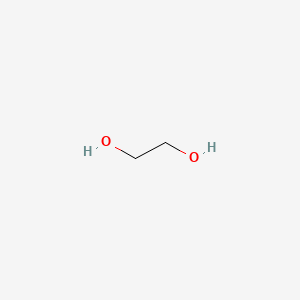
Polyethylene glycol (PEG; ) is a polyether compound derived from petroleum with many applications, from industrial manufacturing to medicine. PEG is also known as polyethylene oxide (PEO) or polyoxyethylene (POE), depending on its molecular weight. The structure of PEG is commonly expressed as H−(O−CH2−CH2)n−OH.
POLYETHYLENE GLYCOL is an other ingredient used in skincare formulations.
Quick facts
Description: POLYETHYLENE GLYCOL — Polyethylene glycol (PEG; ) is a polyether compound derived from petroleum with many applications, from industrial manufacturing to medicine. PEG is also known as polyethylene oxide (PEO) or polyoxyethylene (POE), depending on its molecular weight. The structure of PEG is commonly expressed as H−(O−CH2−CH2)n−OH..
Quick Facts:
- Category: other
- Also Known As: PEG, Polyethylene Glycol
- Regulatory Note: Restricted in the US
Proven Benefits At A Glance:
- PEG is a polymer widely used in cosmetics, foods, and medicines as an additive and carrier
- In topical skincare products, PEG acts as a penetration enhancer, surfactant, emulsifier, humectant, and skin conditioner
- PEGylated oils (PEG-40 and PEG-60 hydrogenated castor oil) are considered safe for cosmetic use up to 100% concentration
- Hypersensitivity to PEG in everyday products like cosmetics appears to be very rare despite widespread use
- Some PEG types are hydrophilic (water-loving), which makes them useful in topical skincare formulations
Chemical Overview
Ethylene glycol is a synthetic liquid substance that absorbs water. It is odorless, but has a sweet taste. Ethylene glycol is used to make antifreeze and de-icing solutions for cars, airplanes, and boats. It is also used in hydraulic brake fluids and inks used in stamp pads, ballpoint pens, and print shops. Ethylene glycol (ingested) can cause developmental toxicity according to The National Toxicology Program. Ethylene glycol is a clear, colorless syrupy liquid. The primary hazard is the threat to the environment. Immediate steps should be taken to limit its spread to the environment. Since it is a liquid it can easily penetrate the soil and contaminate groundwater and nearby streams.
Source(s): Agency for Toxic Substances and Disease Registry (ATSDR), California Office of Environmental Health Hazard Assessment (OEHHA), CAMEO Chemicals, via PubChem
Comedogenicity
Similar Ingredients

📰 More News
-
The CCL20-CCR6 axis predominantly drives IL-17-mediated psoriasis while modestly contributing to papain-induced type 2 inflammation
PubMed · Jul 11, 2026
-
SkinCeuticals Just Reformulated Its C E Ferulic Serum
Allure · Jul 20, 2026
-
Are Sunscreen Oils Just Tanning Oils in Disguise? Experts Weigh In
Allure · Jul 20, 2026
-
Update to RIFM fragrance ingredient safety assessment, propenylguaethol, CAS Registry Number 94-86-0
PubMed · Jul 20, 2026
-
Earth Harbor Obscura Night Repair Concentrate Review
Allure · Jul 21, 2026
-
Okay, We’ll Bite: Fruity Perfumes Are Cool
Allure · Jul 21, 2026