Mia Seilern
⚠️ Data is provided for informational purposes only. It may contain inaccuracies and should be independently verified. This is not medical advice. Consult a healthcare professional before making health decisions.

Quick Facts:

  • Category: other

Proven Benefits At A Glance:

  • Polysorbate is a non-ionic detergent widely used in pharmaceuticals, foods, and cosmetics as an emulsifier
  • Polysorbate 80 can help dissolve poorly water-soluble ingredients like quercetin, making them available for skin absorption
  • In lab tests, polysorbate 80 showed no UV-related skin damage when used in nanoemulsions
  • Some people have documented allergies to polysorbate 80, though true allergy appears relatively uncommon
  • Polysorbate 80 affects nerve cell activity in lab studies, though the relevance to topical skincare is unclear
Safety: Generally Low ConcernResearch confidence: None

Safety tier is a starting heuristic from regulatory status and comedogenic rating, not a dermatological verdict — see our Terms for the full disclaimer. Research confidence reflects how many real cited studies back this ingredient, not the strength of their findings.

🧪 POLYSORBATE

POLYSORBATE

CAS Number:

Also Known As:

Category: other

POLYSORBATE is an other ingredient used in skincare formulations.

🌍 Regulatory Status

EU: No restriction on fileUS: No restriction on file

📊 Comedogenicity

No data yet
Not rated for this ingredient yet.

📚 Research & Evidence

PUBMED CITATIONS
5
Data sources: EU CosIng PubMed

🔬 The Science

Polysorbate is a type of emulsifier—an ingredient that helps oil and water mix together in skincare formulas. There are different types (polysorbate 20, polysorbate 80, and others), which differ slightly in chemical structure but serve similar functions. #1: Solubility enhancement. One key research finding is that polysorbate 80 can significantly increase how much of certain beneficial ingredients dissolve in water. In a study comparing polysorbate 20 and polysorbate 80’s ability to dissolve quercetin (an ingredient with antioxidant and anti-inflammatory properties), polysorbate 80 increased solubility by 2.87 to 3.63 times depending on concentration, while polysorbate 20 only worked at higher concentrations (J Public Health Afr, 2023).

This matters because insoluble ingredients can’t penetrate skin or work effectively. #2: UV safety profile. When researchers tested polysorbate 80 in nanoemulsion formulas (tiny oil droplets suspended in water) and exposed them to UVA light using human skin cells, polysorbate 80 showed no phototoxic effects—meaning it didn’t cause damage when combined with sun exposure in lab conditions. The researchers identified polysorbate 80 as among the most promising emulsifiers for UV-exposed skin applications (Int J Pharm, 2024). #3: Allergy considerations. Polysorbate 80 can trigger allergic reactions in some people, though true allergy appears uncommon. A retrospective analysis of 126 skin allergy tests found that 12.7% tested positive for polysorbate 80 and/or polyethylene glycol (PEG), with no significant difference between people screened before vaccination versus those with suspected vaccine reactions (Vaccines (Basel), 2023).

Importantly, research on patients with documented polysorbate 80 allergies found they tolerated vaccines containing polysorbate 80 when given under medical supervision (J Allergy Clin Immunol Pract, 2023). The sources suggest allergy testing may be worthwhile if you suspect sensitivity, but that polysorbate 80 alone may not be the culprit in most reactions. #4: Cellular effects in research. At the laboratory level, polysorbate 80 affects sodium channels in nerve cells in a concentration-dependent way (Mol Pain, 2023). However, this research used isolated nerve cells and concentrations that may not reflect topical skincare exposure, so its practical relevance to using polysorbate in cosmetics remains unclear.

The researchers noted that in vitro neuron experiments using polysorbate 80 should be conducted with caution, but did not establish that topical use poses neurological concerns.

💧 Skin Type Compatibility

No data yet
Per-skin-type data isn’t curated for this ingredient yet.

⚠️ Don’t Combine With

No data yet
No known incompatibilities on file for this ingredient.

🧴 Products Containing POLYSORBATE

📄 Related Research

Matched by search — not necessarily verified support for every statement above.

Similar Ingredients

<I>ALOE VERA</I>, WHOLE LEAF EXTRACT
other
View
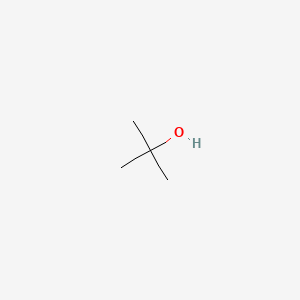
<I>TERT</I>-BUTYL ALCOHOL
other
View
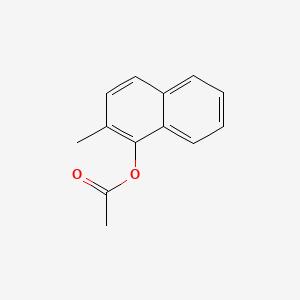
1-ACETOXY-2-METHYLNAPHTHALENE
other
View
1-HYDROXYETHYL 4,5-DIAMINO PYRAZOLE SULFATE
other
View
1-NAPHTHOL
1-NAPHTHOL
other
View
1,10-DECANEDIOL
1,10-DECANEDIOL
other
View
1,2-HEXANEDIYL DICAPRATE
other
View
1,4-BUTANEDIOL
1,4-BUTANEDIOL
other
View