Mia Seilern
⚠️ Data is provided for informational purposes only. It may contain inaccuracies and should be independently verified. This is not medical advice. Consult a healthcare professional before making health decisions.

Quick Facts:

  • Category: other
  • Also Known As: Conservante, Conservador, Консерванти, Консерванты, Säilöntäaineita, Preservative, conservador, säilöntäaineita, консерванты, консерванти, conservante

Proven Benefits At A Glance:

  • Preservatives are required by law in multi-dose eye drop bottles and help stabilize formulations
  • Benzalkonium chloride (BAK), the most common eye drop preservative, can damage the eye surface, cornea, and tear film with long-term use
  • Preservative-free eye drops are recommended for people with dry eyes, frequent drop use, or known preservative allergies
  • Alternative preservatives like Polyquad, SofZia, Purite, and potassium sorbate may be less toxic than BAK, though their benefits aren’t fully proven
  • Preservative damage can happen gradually and cause delayed symptoms that are easy to miss
Safety: Generally Low ConcernResearch confidence: None

Safety tier is a starting heuristic from regulatory status and comedogenic rating, not a dermatological verdict — see our Terms for the full disclaimer. Research confidence reflects how many real cited studies back this ingredient, not the strength of their findings.

🧪 PRESERVATIVES

PRESERVATIVES

CAS Number:

Also Known As: Conservante, Conservador, Консерванти, Консерванты, Säilöntäaineita, Preservative, conservador, säilöntäaineita, консерванты, консерванти, conservante

Category: other

PRESERVATIVES is an other ingredient used in skincare formulations.

🌍 Regulatory Status

EU: No restriction on fileUS: No restriction on file

📊 Comedogenicity

No data yet
Not rated for this ingredient yet.

📚 Research & Evidence

PUBMED CITATIONS
5
Data sources: EU CosIng PubMed

🔬 The Science

Preservatives serve a practical purpose in skincare and eye care: they prevent bacterial growth in multi-dose containers and help active ingredients penetrate deeper into tissue (Ophthalmologe, 2012). However, most preservatives work through relatively non-specific mechanisms—acting as detergents or through oxidative stress—which means they can damage the very surfaces they’re meant to protect. Benzalkonium chloride (BAK) is the preservative most commonly used in eye drops, but research shows it carries the highest toxicity risk. #1: BAK belongs to a chemical class called quaternary ammonium compounds and can disrupt the tear film, kill goblet cells (which produce mucus for tears), damage the corneal barrier, and trigger inflammatory pathways in the eye (Prog Retin Eye Res, 2010; Ocul Surf, 2024).

#2: These effects are dose- and time-dependent, meaning longer exposure and higher concentrations cause worse damage (Prog Retin Eye Res, 2010). #3: In glaucoma patients using BAK-preserved drops long-term, this damage can even compromise the success of future eye surgery (Ocul Surf, 2024). The damage from preservatives often develops slowly and subtly. Patients may experience mild dryness or irritation that seems unrelated to the drops themselves, when in fact these mild symptoms can be early signs of more serious subclinical inflammation or cell death happening beneath the surface (Prog Retin Eye Res, 2010). #4: Preservative reactions aren’t limited to allergies; they include toxic and inflammatory effects that manifest in delayed or poorly specific ways (Prog Retin Eye Res, 2010; Curr Opin Allergy Clin Immunol, 2009).

If you need eye drops regularly, preservative-free formulations are the safest choice (Ocul Surf, 2024; Ophthalmologe, 2012). If that’s not possible financially or practically, #5: alternative preservatives such as Polyquad, SofZia, Purite, and potassium sorbate appear less toxic than BAK, though research on their long-term safety is still limited (Ocul Surf, 2024; Ophthalmologe, 2012). People with existing dry eye disease, those using eye drops frequently, those with known preservative sensitivities, and contact lens wearers should particularly prioritize preservative-free options (Ophthalmologe, 2012).

💧 Skin Type Compatibility

No data yet
Per-skin-type data isn’t curated for this ingredient yet.

⚠️ Don’t Combine With

No data yet
No known incompatibilities on file for this ingredient.

🧴 Products Containing PRESERVATIVES

📄 Related Research

Matched by search — not necessarily verified support for every statement above.

Similar Ingredients

<I>ALOE VERA</I>, WHOLE LEAF EXTRACT
other
View
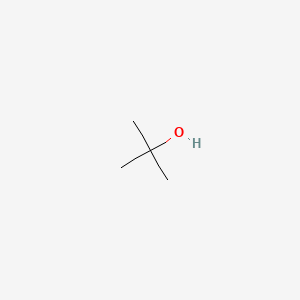
<I>TERT</I>-BUTYL ALCOHOL
other
View
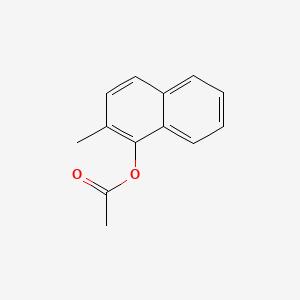
1-ACETOXY-2-METHYLNAPHTHALENE
other
View
1-HYDROXYETHYL 4,5-DIAMINO PYRAZOLE SULFATE
other
View
1-NAPHTHOL
1-NAPHTHOL
other
View
1,10-DECANEDIOL
1,10-DECANEDIOL
other
View
1,2-HEXANEDIYL DICAPRATE
other
View
1,4-BUTANEDIOL
1,4-BUTANEDIOL
other
View