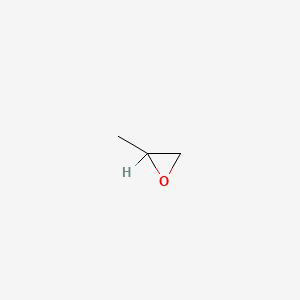
PROPYLENE OXIDE
CAS 75-56-9 · also known as Propylene oxide · other
PROPYLENE OXIDE. Formula: C3H6O. MW: 58.08. IUPAC: 2-methyloxirane
PROPYLENE OXIDE is an other ingredient used in skincare formulations.
Quick facts
Description: PROPYLENE OXIDE — PROPYLENE OXIDE. Formula: C3H6O. MW: 58.08. IUPAC: 2-methyloxirane.
Quick Facts:
- Category: other
- Also Known As: Propylene oxide
- Regulatory Note: Restricted in the US
Proven Benefits At A Glance:
- Propylene oxide’s antimicrobial effect depends on temperature—it requires controlled heat to work as a sterilant
- Research on propylene oxide in skincare is extremely limited; most studies focus on industrial or drug-delivery uses, not topical beauty products
- One study examined propylene oxide as part of a polymer blend for drug delivery, not as a standalone skincare ingredient
- Occupational safety data exists for propylene oxide exposure in manufacturing plants, but this doesn’t directly apply to consumer skincare use
Chemical Overview
Propylene Oxide can cause cancer according to an independent committee of scientific and health experts. Propylene oxide appears as a clear colorless volatile liquid with an ethereal odor. Flash point -35 °F. Boiling point 95 °F. Density 6.9 lb./gal. Flammable over a wide range of vapor-air concentrations. If contaminated, may polymerize with evolution of heat and possible rupture of container. Vapors irritate eyes, skin, and respiratory system. Prolonged contact with skin may result in delayed burns. Vapors heavier than air. Used as a fumigant, in making detergents and lubricants, and to make other chemicals. 1,2-epoxypropane is an epoxide that is oxirane substituted by a methyl group at position 2. It is functionally related to an oxirane.
Source(s): California Office of Environmental Health Hazard Assessment (OEHHA), CAMEO Chemicals, ChEBI, via PubChem
Comedogenicity
Similar Ingredients

📰 More News
-
The CCL20-CCR6 axis predominantly drives IL-17-mediated psoriasis while modestly contributing to papain-induced type 2 inflammation
PubMed · Jul 11, 2026
-
SkinCeuticals Just Reformulated Its C E Ferulic Serum
Allure · Jul 20, 2026
-
Are Sunscreen Oils Just Tanning Oils in Disguise? Experts Weigh In
Allure · Jul 20, 2026
-
Update to RIFM fragrance ingredient safety assessment, propenylguaethol, CAS Registry Number 94-86-0
PubMed · Jul 20, 2026
-
Earth Harbor Obscura Night Repair Concentrate Review
Allure · Jul 21, 2026
-
Okay, We’ll Bite: Fruity Perfumes Are Cool
Allure · Jul 21, 2026