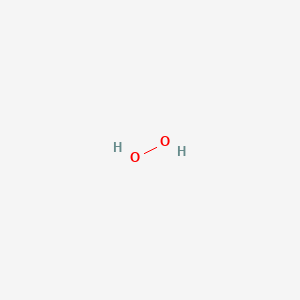
PEROXIDE
CAS 7722-84-1 · other
PEROXIDE. Formula: H2O2. MW: 34.015. IUPAC: hydrogen peroxide
PEROXIDE is an other ingredient used in skincare formulations.
Quick facts
Description: PEROXIDE — PEROXIDE. Formula: H2O2. MW: 34.015. IUPAC: hydrogen peroxide.
Quick Facts:
- Category: other
Proven Benefits At A Glance:
- Benzoyl peroxide is an FDA-approved over-the-counter acne treatment that kills acne-causing bacteria
- Only about 5% of topical benzoyl peroxide is absorbed into the body, making it low-risk for breastfeeding
- Hydrogen peroxide (a different peroxide) is used in household products at 3-9% concentration, but concentrated forms are toxic
- Hydrogen peroxide works as a disinfectant by creating free radicals that damage bacteria—but can also damage your own cells
Chemical Overview
Hydrogen peroxide is a colorless liquid at room temperature with a bitter taste. Small amounts of gaseous hydrogen peroxide occur naturally in the air. Hydrogen peroxide is unstable, decomposing readily to oxygen and water with release of heat. Although nonflammable, it is a powerful oxidizing agent that can cause spontaneous combustion when it comes in contact with organic material. Hydrogen peroxide is found in many households at low concentrations (3-9%) for medicinal applications and as a clothes and hair bleach. In industry, hydrogen peroxide in higher concentrations is used as a bleach for textiles and paper, as a component of rocket fuels, and for producing foam rubber and organic chemicals. Hydrogen peroxide, aqueous solution, stabilized, with more than 60% hydrogen peroxide appears as a colorless liquid. Vapors may irritate the eyes and mucous membranes. Under prolonged exposure to fire or heat containers may violently rupture due to decomposition. Used to bleach textiles and wood pulp, in chemical manufacturing and food processing. Hydrogen peroxide, aqueous solution, with not less than 20% but not more than 60% hydrogen peroxide (stabilized as necessary) appears as colorless aqueous solution. Vapors may irritate the eyes and mucous membranes. Contact with most common metals and their compounds may cause violent decomposition, especially in the higher concentrations. Contact with combustible materials may result in spontaneous ignition. Prolonged exposure to fire or heat may cause decomposition and rupturing of the container. Used to bleach textiles and wood pulp, in chemical manufacturing and food processing.
Source(s): Agency for Toxic Substances and Disease Registry (ATSDR), CAMEO Chemicals, via PubChem
Comedogenicity
Similar Ingredients

📰 More News
-
The CCL20-CCR6 axis predominantly drives IL-17-mediated psoriasis while modestly contributing to papain-induced type 2 inflammation
PubMed · Jul 11, 2026
-
SkinCeuticals Just Reformulated Its C E Ferulic Serum
Allure · Jul 20, 2026
-
Are Sunscreen Oils Just Tanning Oils in Disguise? Experts Weigh In
Allure · Jul 20, 2026
-
Update to RIFM fragrance ingredient safety assessment, propenylguaethol, CAS Registry Number 94-86-0
PubMed · Jul 20, 2026
-
Earth Harbor Obscura Night Repair Concentrate Review
Allure · Jul 21, 2026
-
Okay, We’ll Bite: Fruity Perfumes Are Cool
Allure · Jul 21, 2026