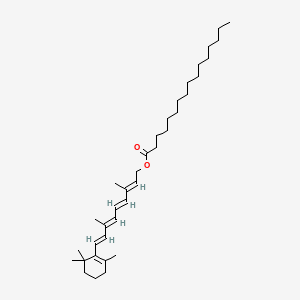
RETINOL PALMITATE
CAS — · other
RETINOL PALMITATE. Formula: C36H60O2. MW: 524.9. IUPAC: [(2E,4E,6E,8E)-3,7-dimethyl-9-(2,6,6-trimethylcyclohexen-1-yl)nona-2,4,6,8-tetraenyl] hexadecanoate
RETINOL PALMITATE is an other ingredient used in skincare formulations.
Quick facts
Description: RETINOL PALMITATE — RETINOL PALMITATE. Formula: C36H60O2. MW: 524.9. IUPAC: [(2E,4E,6E,8E)-3,7-dimethyl-9-(2,6,6-trimethylcyclohexen-1-yl)nona-2,4,6,8-tetraenyl] hexadecanoate.
Quick Facts:
- Category: other
- Regulatory Note: Restricted in the US
Proven Benefits At A Glance:
- Retinol palmitate is a form of vitamin A used in eye drops and oral supplements
- Research shows it may help with dry eyes and certain corneal surface conditions
- It has antioxidant properties, though evidence for skin benefits is limited in these sources
- Side effects from oral use can include dry skin and mucous membranes, but are usually mild
- Most research here focuses on eye health, not skincare
Chemical Overview
All-trans-retinyl palmitate is an all-trans-retinyl ester obtained by formal condensation of the carboxy group of palmitic (hexadecanoic acid) with the hydroxy group of all-trans-retinol. It is used in cosmetic products to treat various skin disorders such as acne, skin aging, wrinkles, dark spots, and also protect against psoriasis. It has a role as an antioxidant, a human xenobiotic metabolite and an Escherichia coli metabolite. It is a retinyl palmitate and an all-trans-retinyl ester. It is functionally related to an all-trans-retinol. retinyl palmitate has been reported in Homo sapiens with data available. Retinyl Palmitate is a naturally-occurring phenyl analogue of retinol (vitamin A) with potential antineoplastic and chemopreventive activities. As the most common form of vitamin A taken for dietary supplementation, retinyl palmitate binds to and activates retinoid receptors, thereby inducing cell differentiation and decreasing cell proliferation. This agent also inhibits carcinogen-induced neoplastic transformation, induces apoptosis in some cancer cell types, and exhibits immunomodulatory properties. (NCI04)
Source(s): LOTUS – the natural products occurrence database, ChEBI, NCI Thesaurus (NCIt), via PubChem
Comedogenicity
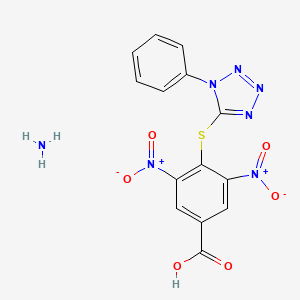
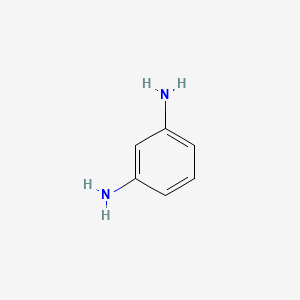
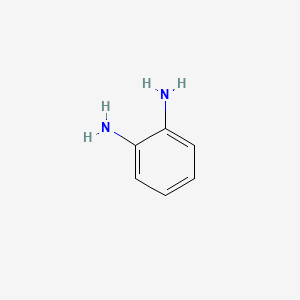
Similar Ingredients

📰 More News
-
The CCL20-CCR6 axis predominantly drives IL-17-mediated psoriasis while modestly contributing to papain-induced type 2 inflammation
PubMed · Jul 11, 2026
-
SkinCeuticals Just Reformulated Its C E Ferulic Serum
Allure · Jul 20, 2026
-
Are Sunscreen Oils Just Tanning Oils in Disguise? Experts Weigh In
Allure · Jul 20, 2026
-
Update to RIFM fragrance ingredient safety assessment, propenylguaethol, CAS Registry Number 94-86-0
PubMed · Jul 20, 2026
-
Earth Harbor Obscura Night Repair Concentrate Review
Allure · Jul 21, 2026
-
Okay, We’ll Bite: Fruity Perfumes Are Cool
Allure · Jul 21, 2026