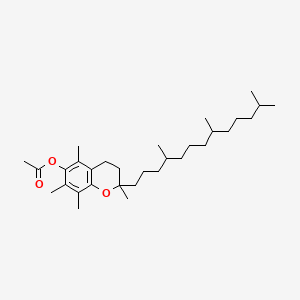
TOCOPHERYL ACETATE
CAS 7695-91-2 / 58-95-7 · active · EC 231-710-0 / 200-405-4 · KR 토코페릴아세테이트
3,4-Dihydro-2,5,7,8-tetramethyl-2-(4,8,12-trimethyltridecyl)-2H-benzopyran-6-yl acetate
TOCOPHERYL ACETATE is an active ingredient used in skincare formulations.
Quick facts
Description: TOCOPHERYL ACETATE — antioxidant, stabilized form of Vitamin E.
All Functions: antioxidant, stabilized form of Vitamin E
Quick Facts:
- Category: active
Proven Benefits At A Glance:
- Tocopheryl acetate is a stable form of vitamin E that can be absorbed into skin tissue
- When applied topically, it may be converted by your skin into active alpha-tocopherol (the functional form of vitamin E)
- UV exposure appears to increase both how much your skin absorbs it and how efficiently it converts to the active form
- How well it penetrates skin depends heavily on what delivery system (like nanoparticles or nanoemulsions) is used in the formula
Chemical Overview
DL-alpha-Tocopherol acetate is a tocol. DL-α-tocopherol acetate has been reported in Senegalia catechu with data available. Vitamin E Acetate is the acetate ester of a fat-soluble vitamin with potent antioxidant properties. Considered essential for the stabilization of biological membranes (especially those with high amounts of polyunsaturated fatty acid), vitamin E is a generic name for a group of compounds known as tocopherols and tocotrienols (tocols). This agent is a potent peroxyl radical scavenger and inhibits noncompetitively cyclooxygenase activity in many tissues, resulting in a decrease in prostaglandin production. Vitamin E also inhibits angiogenesis and tumor dormancy through suppressing vascular endothelial growth factor (VEGF) gene transcription. (NCI04)
Source(s): LOTUS – the natural products occurrence database, NCI Thesaurus (NCIt), ChEBI, via PubChem
Comedogenicity
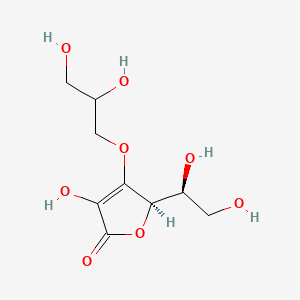
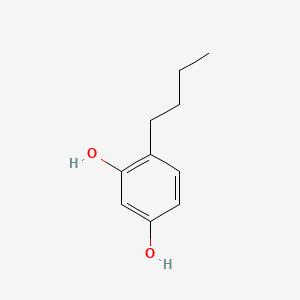
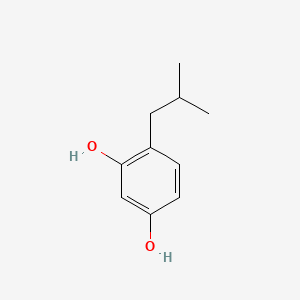
Similar Ingredients

📰 More News
-
The CCL20-CCR6 axis predominantly drives IL-17-mediated psoriasis while modestly contributing to papain-induced type 2 inflammation
PubMed · Jul 11, 2026
-
SkinCeuticals Just Reformulated Its C E Ferulic Serum
Allure · Jul 20, 2026
-
Are Sunscreen Oils Just Tanning Oils in Disguise? Experts Weigh In
Allure · Jul 20, 2026
-
Update to RIFM fragrance ingredient safety assessment, propenylguaethol, CAS Registry Number 94-86-0
PubMed · Jul 20, 2026
-
Earth Harbor Obscura Night Repair Concentrate Review
Allure · Jul 21, 2026
-
Okay, We’ll Bite: Fruity Perfumes Are Cool
Allure · Jul 21, 2026