Mia Seilern
⚠️ Data is provided for informational purposes only. It may contain inaccuracies and should be independently verified. This is not medical advice. Consult a healthcare professional before making health decisions.

Description: SALIX ALBA BARK EXTRACT — natural source of salicin, mild exfoliant and anti-inflammatory (Willow Bark).

All Functions: natural source of salicin, mild exfoliant and anti-inflammatory (Willow Bark)

Quick Facts:

  • Category: active

Proven Benefits At A Glance:

  • Salix alba (white willow) bark extract is rich in polyphenols, flavonoids, and tannins—compounds with antioxidant properties
  • In lab studies, the extract showed antibacterial activity and anti-inflammatory effects
  • A clinical trial found that a cream with 2% Salix alba bark extract improved dark circles, skin microcirculation, and elasticity over 8 weeks
  • The extract’s main active component is salicin, a precursor to aspirin-like compounds
  • At very high concentrations in lab tests, the extract reduced cell viability; normal skincare use is far below these levels
Safety: Generally Low ConcernResearch confidence: Good

Safety tier is a starting heuristic from regulatory status and comedogenic rating, not a dermatological verdict — see our Terms for the full disclaimer. Research confidence reflects how many real cited studies back this ingredient, not the strength of their findings.

🧪 SALIX ALBA BARK EXTRACT

Chemical structure of SALIX ALBA BARK EXTRACT

SALIX ALBA BARK EXTRACT

CAS Number: 84082-82-6

Also Known As:

Category: active

EC Number: 282-029-0

Salix Alba Bark Extract is an extract of the bark of the White Willow, Salix alba L., salicaceae

SALIX ALBA BARK EXTRACT is an active ingredient used in skincare formulations.

natural source of salicinmild exfoliant and anti-inflammatory (Willow Bark)

🌍 Regulatory Status

EU: No restriction on fileUS: No restriction on file

📊 Comedogenicity

No data yet
Not rated for this ingredient yet.

📚 Research & Evidence

PUBMED CITATIONS
3
Data sources: EU CosIng PubMed

🔬 The Science

Salix alba bark extract contains a complex mix of bioactive compounds. Researchers identified multiple phenolic compounds including salicin, salicylic acid, and several others (J Toxicol Environ Health A, 2019). The extract’s polyphenol content varies depending on how it’s made—microwave-assisted extraction with ethanol yielded the highest levels of phenolics, tannins, and flavonoids (Plants (Basel), 2023). #1: Antioxidant capacity: The most potent extracts showed strong free-radical-scavenging ability in lab assays, with particularly low IC50 values (a measure of potency) in two standard tests—12 µg/mL for DPPH and 16 µg/mL for ABTS (Plants (Basel), 2023). For context, lower IC50 values mean greater antioxidant power.

#2: Antibacterial activity: In laboratory conditions, Salix alba bark extract demonstrated antibacterial effects against Gram-positive bacteria including S. aureus and P. aeruginosa (Plants (Basel), 2023). This was an in vitro (test-tube) finding and doesn’t necessarily translate directly to skin application. #3: Anti-inflammatory effects: The extract showed anti-inflammatory properties in lab assays (Plants (Basel), 2023). In a more skin-specific context, when human skin cells (fibroblasts) were treated with the extract, they produced more hyaluronic acid—a moisturizing molecule—and this indirectly improved vascular integrity in endothelial cells, reducing inflammatory permeability (Int J Cosmet Sci, 2023). #4: Dark circles improvement: In a clinical trial with 29 people using a 2% Salix alba bark extract cream for 8 weeks, researchers measured improvements in dark circles, skin microcirculation, and elasticity (Int J Cosmet Sci, 2023).

The mechanism appears linked to better blood vessel health and reduced fluid leakage beneath the eye—areas prone to darkening from blood stasis. #5: Acetylcholinesterase inhibition: The extract showed enzyme-inhibitory activity in lab tests, though this property’s relevance to skincare is unclear (Plants (Basel), 2023). Safety note: High concentrations of the extract (200 µg/mL and above) reduced cell viability in lab tests, though low genotoxic activity appeared at lower concentrations (50–100 µg/mL) in leukocytes (J Toxicol Environ Health A, 2019). These are far higher than typical skincare formulations, and the extract did not show marked DNA-damaging effects in the cell types tested.

💧 Skin Type Compatibility

No data yet
Per-skin-type data isn’t curated for this ingredient yet.

⚠️ Don’t Combine With

No data yet
No known incompatibilities on file for this ingredient.

🧴 Products Containing SALIX ALBA BARK EXTRACT

📄 Related Research

Matched by search — not necessarily verified support for every statement above.

Similar Ingredients

(CINNAMOMUM CASSIA/MAGNOLIA OFFICINALIS) BARK/(ALPINIA OFFICINARUM/ANGELICA GIGAS) ROOT EXTRACT
active
View
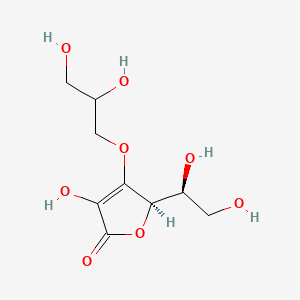
3-GLYCERYL ASCORBATE
active
View
3-LAURYLGLYCERYL ASCORBATE
active
View
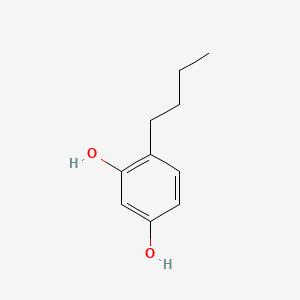
4-BUTYLRESORCINOL
4-BUTYLRESORCINOL
active
View
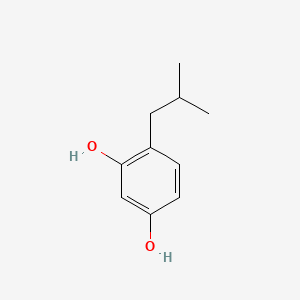
4-ISOBUTYLRESORCINOL
active
View
ABIES ALBA SEED EXTRACT
active
View
ABIES ALBA SEED OIL
ABIES ALBA SEED OIL
active
View
ACACIA CATECHU CATECHINS
active
View