🧪
WITH GLYCERINE
CAS — · also known as Med glycerin · other
Generally Low Concern2 citations
WITH GLYCERINE is an other ingredient used in skincare formulations.
⚠️ Data is provided for informational purposes only. It may contain inaccuracies and should be independently verified. This is not medical advice. Consult a healthcare professional before making health decisions.
Quick facts
Quick Facts:
- Category: other
- Also Known As: Med glycerin
Proven Benefits At A Glance:
- Research on glycerine in skincare is extremely limited; available studies focus on dental and medical applications, not cosmetic skincare
- One study examined glycerine’s role in preventing oxygen interference during dental composite resin polymerization
- Another study found glycerine (combined with citric acid) could stimulate saliva production without affecting cortisol measurement
- No consumer skincare benefits are directly supported by these sources
Comedogenicity
No data yet
Not rated for this ingredient yet.
Similar Ingredients

<I>ALOE VERA</I>, WHOLE LEAF EXTRACT
other
<I>CLONORCHIS SINENSIS</I> (INFECTION WITH)
other
<I>GINKGO BILOBA</I> EXTRACT
other
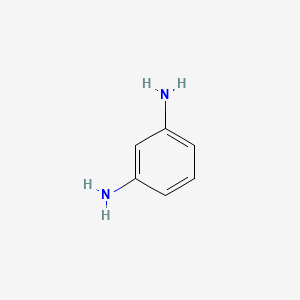
<I>META</I>-PHENYLENEDIAMINE
other
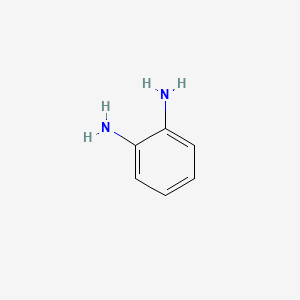
<I>ORTHO</I>-PHENYLENEDIAMINE
other
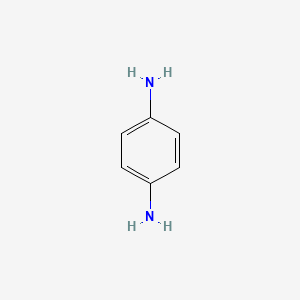
<I>PARA</I>-PHENYLENEDIAMINE
other
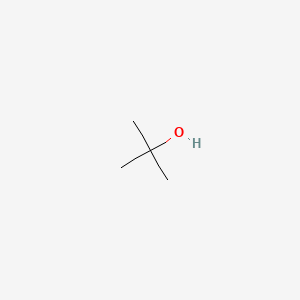
<I>TERT</I>-BUTYL ALCOHOL
other
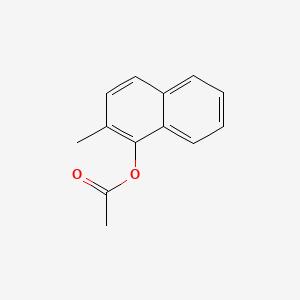
1-ACETOXY-2-METHYLNAPHTHALENE
other
📰 More News
-
The CCL20-CCR6 axis predominantly drives IL-17-mediated psoriasis while modestly contributing to papain-induced type 2 inflammation
PubMed · Jul 11, 2026
-
SkinCeuticals Just Reformulated Its C E Ferulic Serum
Allure · Jul 20, 2026
-
Are Sunscreen Oils Just Tanning Oils in Disguise? Experts Weigh In
Allure · Jul 20, 2026
-
Update to RIFM fragrance ingredient safety assessment, propenylguaethol, CAS Registry Number 94-86-0
PubMed · Jul 20, 2026
-
Earth Harbor Obscura Night Repair Concentrate Review
Allure · Jul 21, 2026
-
Okay, We’ll Bite: Fruity Perfumes Are Cool
Allure · Jul 21, 2026