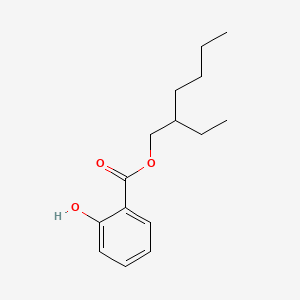
ETHYLHEXYL SALICYLATE
CAS 118-60-5 · sunscreen · EC 204-263-4 · KR 에칠헥실살리실레이트
2-Ethylhexyl salicylate
ETHYLHEXYL SALICYLATE is a sunscreen ingredient used in skincare formulations.
Quick facts
Description: ETHYLHEXYL SALICYLATE — chemical UV filter (UVB) — also known as Octisalate.
All Functions: chemical UV filter (UVB) — also known as Octisalate
Quick Facts:
- Category: sunscreen
Proven Benefits At A Glance:
- Ethylhexyl salicylate (EHS) is a UV filter used in sunscreens and other personal care products to protect skin from sun damage
- When applied to skin, EHS is absorbed and metabolized by the body, with traces appearing in urine within 10-11 hours
- In a study of 33 patients with frontal fibrosing alopecia (a type of hair loss), about 27% showed allergic contact dermatitis reactions to EHS in patch tests
- Human exposure to EHS has been increasing over the past 25 years based on biomonitoring data from Germany
- EHS is found in environmental water and wastewater, particularly in areas with heavy tourism or industry
Chemical Overview
Ethylhexyl salicylate is a member of phenols and a benzoate ester. It is functionally related to a salicylic acid. The Panel concluded that the following ingredients are safe in cosmetics in the present practices of use and concentration described in the safety assessment, when formulated to be non-irritating and non-sensitizing, which may be based on a quantitative risk assessment (QRA)…Ethylhexyl Salicylate… Also known as Ethylhexyl Salicylate. Octyl salicylate is an oil soluble chemical sunscreen agent that absorbs UVB radiation. It does not protect against UVA. Octyl salicylate is used to augment the UVB protection in a sunscreen. Salicylates are weak UVB absorbers and they are generally used in combination with other UV filters. Octyl salicylate appears to have a good safety profile. It covers wavelength in the range 295-315 nm, peak at 307-310 nm. It is an ester of salicylic acid and 2-ethylhexanol. The salicylate portion of the molecule absorbs ultraviolet light to protect skin from the harmful effects of exposure to sunlight, while the ethylhexanol portion functions as an emollient.
Source(s): Cosmetic Ingredient Review (CIR), ChEBI, DrugBank, via PubChem
Comedogenicity
Similar Ingredients

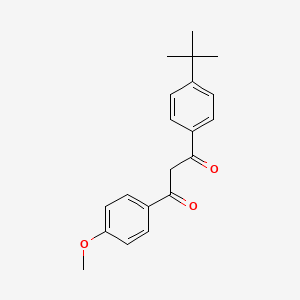
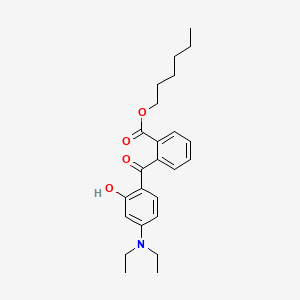
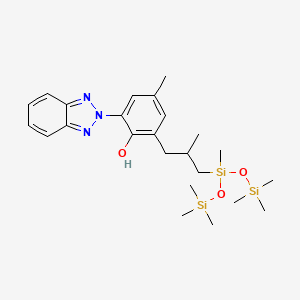
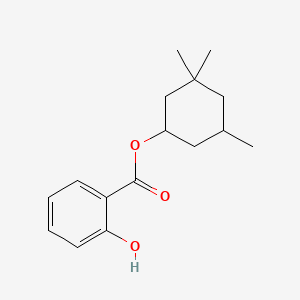
📰 More News
-
The CCL20-CCR6 axis predominantly drives IL-17-mediated psoriasis while modestly contributing to papain-induced type 2 inflammation
PubMed · Jul 11, 2026
-
SkinCeuticals Just Reformulated Its C E Ferulic Serum
Allure · Jul 20, 2026
-
Are Sunscreen Oils Just Tanning Oils in Disguise? Experts Weigh In
Allure · Jul 20, 2026
-
Update to RIFM fragrance ingredient safety assessment, propenylguaethol, CAS Registry Number 94-86-0
PubMed · Jul 20, 2026
-
Earth Harbor Obscura Night Repair Concentrate Review
Allure · Jul 21, 2026
-
Okay, We’ll Bite: Fruity Perfumes Are Cool
Allure · Jul 21, 2026