⚠️ Data is provided for informational purposes only. It may contain inaccuracies and should be independently verified. This is not medical advice. Consult a healthcare professional before making health decisions.

Description: 2,3-BUTANEDIOL — FRAGRANCE, HUMECTANT, SKIN CONDITIONING, SOLVENT.

All Functions: FRAGRANCE, HUMECTANT, SKIN CONDITIONING, SOLVENT

Quick Facts:

  • Category: humectant

Proven Benefits At A Glance:

  • 2,3-Butanediol is used in cosmetics, chemicals, pharmaceuticals, and food industries
  • It can be produced through fermentation using renewable resources like glucose and xylose, as an alternative to petroleum-based production
  • The ingredient has potential applications beyond skincare, including rubber, fuels, and polymer production
  • Industrial production is still developing, with cost reduction being a major focus for widespread commercial use
Safety: Generally Low ConcernResearch confidence: Good

Safety tier is a starting heuristic from regulatory status and comedogenic rating, not a dermatological verdict — see our Terms for the full disclaimer. Research confidence reflects how many real cited studies back this ingredient, not the strength of their findings.

🧪 2,3-BUTANEDIOL

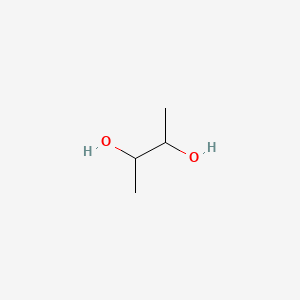
Chemical structure of 2,3-BUTANEDIOL

2,3-BUTANEDIOL

CAS Number: 513-85-9; 5341-95-7; 24347-58-8

Also Known As:

Category: humectant

EC Number: 208-173-6; 823-920-1; 246-186-9

Korean Name: 2,3-부탄다이올

2,3-Butylene Glycol

2,3-BUTANEDIOL is a humectant ingredient used in skincare formulations.

FRAGRANCEHUMECTANTSKIN CONDITIONINGSOLVENT

🌍 Regulatory Status

EU: No restriction on fileUS: No restriction on file

📊 Comedogenicity

No data yet
Not rated for this ingredient yet.

📚 Research & Evidence

PUBMED CITATIONS
5
Data sources: EU CosIng PubMed

🔬 The Science

2,3-Butanediol (often abbreviated as 2,3-BD or BDO) is a small organic molecule with applications across multiple industries. Here’s what the research tells us about this ingredient:

#1: Cosmetic and Industrial Uses (J Ind Microbiol Biotechnol, 2019; Biotechnol Adv, 2022; Appl Microbiol Biotechnol, 2018; BMC Microbiol, 2022): The ingredient is recognized as having “great potential” for use in cosmetics, alongside chemical, pharmaceutical, agricultural, and food industries. While these sources confirm its cosmetic applications, they don’t specify particular skincare benefits or mechanisms of action in topical products—they focus primarily on production and industrial potential. #2: Bio-Based Production as an Alternative (J Ind Microbiol Biotechnol, 2019; Biotechnol Rep (Amst), 2020): Rather than being synthesized from petroleum, 2,3-butanediol can be produced through fermentation using renewable feedstocks like glucose, xylose, and glycerol.

This bio-based approach is considered a more sustainable alternative to traditional chemical synthesis, though the sources note that current production methods remain expensive compared to petroleum-based processes. #3: Production Challenges Still Being Addressed (Biotechnol Adv, 2022; Biotechnol Rep (Amst), 2020): The commercialization of 2,3-butanediol remains limited by production costs and the need for improved fermentation efficiency. The research indicates that widespread industrial use requires “utilization of crude renewable resources” and “development of sustainable purification or conversion technologies”—suggesting the ingredient is still in development stages for large-scale commercial skincare use. Importantly, none of these sources provide specific claims about how 2,3-butanediol functions in skincare formulations, such as whether it hydrates skin, acts as a preservative, improves texture, or delivers other consumer-facing benefits.

The research focuses on production methods and industrial applications rather than topical efficacy in finished skincare products.

💧 Skin Type Compatibility

No data yet
Per-skin-type data isn’t curated for this ingredient yet.

⚠️ Don’t Combine With

No data yet
No known incompatibilities on file for this ingredient.

🧴 Products Containing 2,3-BUTANEDIOL

📄 Related Research

Matched by search — not necessarily verified support for every statement above.

Similar Ingredients

(20S)-PROTOPANAXADIOL
emollient
View
(ANGELICA ACUTILOBA/PAEONIA LACTIFLORA) ROOT/CNIDIUM OFFICINALE RHIZOME EXTRACT
emollient
View
(CINNAMOMUM CASSIA/MAGNOLIA OFFICINALIS) BARK/(ALPINIA OFFICINARUM/ANGELICA GIGAS) ROOT EXTRACT
active
View
(MORUS ALBA FRUIT/SUCROSE FERMENT FILTRATE) POLYGONUM MULTIFLORUM ROOT EXTRACT FERMENT FILTRATE
humectant
View
Update cookies preferences