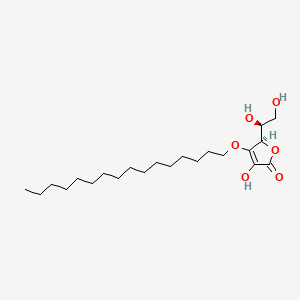
3-O-CETYL ASCORBIC ACID
CAS 88306-70-1 · emollient · EC – · KR 3-O-세틸아스코빅애씨드
Generally Low Concern1 citation
3-O-CETYL ASCORBIC ACID is an emollient ingredient used in skincare formulations.
SKIN CONDITIONING
⚠️ Data is provided for informational purposes only. It may contain inaccuracies and should be independently verified. This is not medical advice. Consult a healthcare professional before making health decisions.
Quick facts
Description: 3-O-CETYL ASCORBIC ACID — SKIN CONDITIONING.
All Functions: SKIN CONDITIONING
Quick Facts:
- Category: emollient
Proven Benefits At A Glance:
- 3-O-cetyl ascorbic acid (CA) is a form of vitamin C used in skincare research
- In studies, CA has been delivered to skin using nanoparticle technology
- Research shows CA can accumulate in the deeper layers of skin (the dermis) when properly formulated
- CA was most effective at reaching skin when combined with certain helper ingredients in nanoparticle carriers
Comedogenicity
No data yet
Not rated for this ingredient yet.
Similar Ingredients
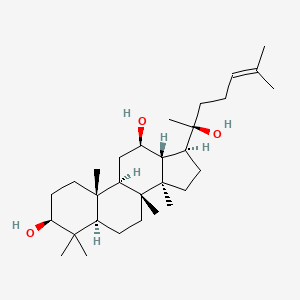
(20S)-PROTOPANAXADIOL
emollient

(ANGELICA ACUTILOBA/PAEONIA LACTIFLORA) ROOT/CNIDIUM OFFICINALE RHIZOME EXTRACT
emollient
(CINNAMOMUM CASSIA/MAGNOLIA OFFICINALIS) BARK/(ALPINIA OFFICINARUM/ANGELICA GIGAS) ROOT EXTRACT
active
(MORUS ALBA FRUIT/SUCROSE FERMENT FILTRATE) POLYGONUM MULTIFLORUM ROOT EXTRACT FERMENT FILTRATE
humectant
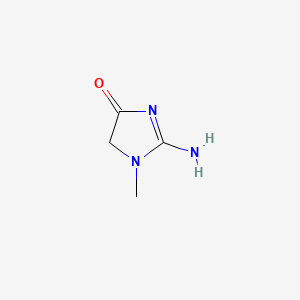
1-METHYLHYDANTOIN-2-IMIDE
emollient
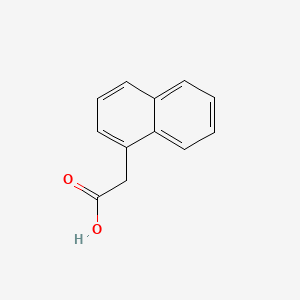
1-NAPHTHALENEACETIC ACID
emollient
1,2-BUTANEDIOL
humectant
1,2-HEPTANEDIOL
emollient
📰 More News
-
The CCL20-CCR6 axis predominantly drives IL-17-mediated psoriasis while modestly contributing to papain-induced type 2 inflammation
PubMed · Jul 11, 2026
-
SkinCeuticals Just Reformulated Its C E Ferulic Serum
Allure · Jul 20, 2026
-
Are Sunscreen Oils Just Tanning Oils in Disguise? Experts Weigh In
Allure · Jul 20, 2026
-
Update to RIFM fragrance ingredient safety assessment, propenylguaethol, CAS Registry Number 94-86-0
PubMed · Jul 20, 2026
-
Earth Harbor Obscura Night Repair Concentrate Review
Allure · Jul 21, 2026
-
Okay, We’ll Bite: Fruity Perfumes Are Cool
Allure · Jul 21, 2026