ACACIA CONCINNA FRUIT EXTRACT
CAS 202148-87-6 · emollient · KR 시카카이열매추출물
Generally Low Concern1 citation
Acacia Concinna Fruit Extract is an extract of the fruit of Acacia concinna, Leguminosae
ACACIA CONCINNA FRUIT EXTRACT is an emollient ingredient used in skincare formulations.
SKIN CONDITIONING
⚠️ Data is provided for informational purposes only. It may contain inaccuracies and should be independently verified. This is not medical advice. Consult a healthcare professional before making health decisions.
Quick facts
Description: ACACIA CONCINNA FRUIT EXTRACT — SKIN CONDITIONING.
All Functions: SKIN CONDITIONING
Quick Facts:
- Category: emollient
Proven Benefits At A Glance:
- Acacia Concinna Fruit Extract is derived from the fruit of the acacia plant
- It contains saponins, alkaloids, and malic acid as natural components
- Safety data for this specific ingredient is currently limited
- It’s typically used in very small amounts in cosmetic products
Comedogenicity
No data yet
Not rated for this ingredient yet.
Similar Ingredients
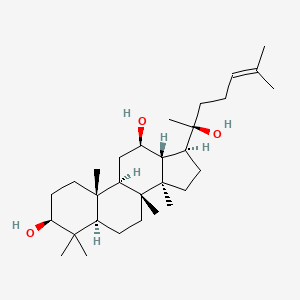
(20S)-PROTOPANAXADIOL
emollient

(ANGELICA ACUTILOBA/PAEONIA LACTIFLORA) ROOT/CNIDIUM OFFICINALE RHIZOME EXTRACT
emollient
(CINNAMOMUM CASSIA/MAGNOLIA OFFICINALIS) BARK/(ALPINIA OFFICINARUM/ANGELICA GIGAS) ROOT EXTRACT
active
(MORUS ALBA FRUIT/SUCROSE FERMENT FILTRATE) POLYGONUM MULTIFLORUM ROOT EXTRACT FERMENT FILTRATE
humectant
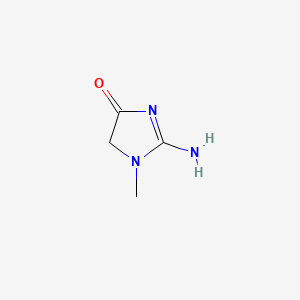
1-METHYLHYDANTOIN-2-IMIDE
emollient
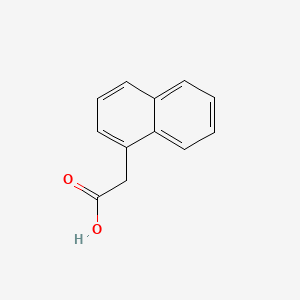
1-NAPHTHALENEACETIC ACID
emollient
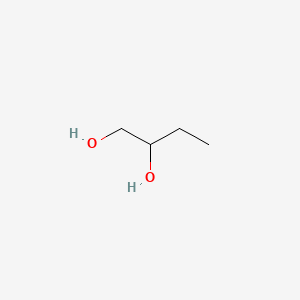
1,2-BUTANEDIOL
humectant
1,2-HEPTANEDIOL
emollient
📰 More News
-
The CCL20-CCR6 axis predominantly drives IL-17-mediated psoriasis while modestly contributing to papain-induced type 2 inflammation
PubMed · Jul 11, 2026
-
SkinCeuticals Just Reformulated Its C E Ferulic Serum
Allure · Jul 20, 2026
-
Are Sunscreen Oils Just Tanning Oils in Disguise? Experts Weigh In
Allure · Jul 20, 2026
-
Update to RIFM fragrance ingredient safety assessment, propenylguaethol, CAS Registry Number 94-86-0
PubMed · Jul 20, 2026
-
Earth Harbor Obscura Night Repair Concentrate Review
Allure · Jul 21, 2026
-
Okay, We’ll Bite: Fruity Perfumes Are Cool
Allure · Jul 21, 2026