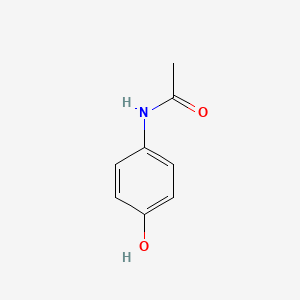
Quick Facts:
- Category: other
- Also Known As: Paracetamol (Acetaminophen)
Proven Benefits At A Glance:
- Paracetamol is a pain reliever and fever reducer with no anti-inflammatory properties
- True paracetamol allergy is rare — only about 15% of people suspected of having one actually do
- Allergic reactions to paracetamol can include skin rashes and, in rare cases, severe reactions like anaphylaxis
- Most people who think they’re allergic to paracetamol can actually tolerate it safely
- If you experience a rash or allergic symptoms while taking paracetamol, stop and see a doctor
Safety tier is a starting heuristic from regulatory status and comedogenic rating, not a dermatological verdict — see our Terms for the full disclaimer. Research confidence reflects how many real cited studies back this ingredient, not the strength of their findings.
🧪 PARACETAMOL (ACETAMINOPHEN)
PARACETAMOL (ACETAMINOPHEN)
CAS Number: 103-90-2
Also Known As: Paracetamol (Acetaminophen)
Category: other
PARACETAMOL (ACETAMINOPHEN) is an other ingredient used in skincare formulations.
🌍 Regulatory Status
📊 Comedogenicity
📚 Research & Evidence
🔬 The Science
Paracetamol (the generic name; acetaminophen is the US brand name) is a widely used over-the-counter medication found in more than 200 pain, cough, and cold products (Curr Drug Saf, 2024). It works as an analgesic (pain reliever) and antipyretic (fever reducer), but unlike NSAIDs (nonsteroidal anti-inflammatory drugs such as ibuprofen), it has no anti-inflammatory effects (Ann Allergy Asthma Immunol, 2000). #1: True paracetamol hypersensitivity is uncommon. In a study of 84 patients referred to an allergy clinic with suspected paracetamol allergy, only 13 patients (15.5%) actually tested positive for genuine hypersensitivity when given controlled oral challenge tests—meaning most people who report paracetamol reactions don’t actually have an allergy to it (Clin Exp Allergy, 2002).
#2: When hypersensitivity does occur, skin reactions are the most common symptom. Among those 84 suspected cases, 82 experienced skin eruptions (97.6%), though most of these people didn’t actually have true paracetamol allergy (Clin Exp Allergy, 2002). In rare cases, severe reactions including anaphylactic shock can happen—5 out of the 13 confirmed hypersensitive patients experienced anaphylaxis (Clin Exp Allergy, 2002). #3: Reactions can occur either quickly (within the first hour) or develop later. Of the confirmed cases, 9 out of 13 had immediate reactions, while others took longer to appear (Clin Exp Allergy, 2002). #4: Some paracetamol reactions may involve an IgE-mediated immune mechanism (a specific type of allergic pathway).
A small case series described four patients with anaphylactic reactions to paracetamol in whom skin tests were positive and IgE antibodies were detected in their blood (Ann Allergy Asthma Immunol, 2000). #5: Rare but serious skin syndromes have been associated with paracetamol use, including Stevens-Johnson Syndrome (SJS), Toxic Epidermal Necrolysis (TEN), and other drug reaction syndromes—healthcare providers should be aware of these risks, though they are uncommon (Curr Drug Saf, 2024). If you suspect a paracetamol allergy, a doctor can perform proper testing to confirm it rather than relying on symptom history alone, since many reactions attributed to paracetamol turn out to have other causes (Clin Exp Allergy, 2002).
At the first sign of a rash or hypersensitivity reaction, stop taking the product and seek medical attention (Curr Drug Saf, 2024).
💧 Skin Type Compatibility
⚠️ Don’t Combine With
🧴 Products Containing PARACETAMOL (ACETAMINOPHEN)
📄 Related Research
Matched by search — not necessarily verified support for every statement above.
- de Paramo BJ et al. (2000). Paracetamol (acetaminophen) hypersensitivity. Ann Allergy Asthma Immunol.
- Pakkir Maideen NM et al. (2024). Paracetamol (Acetaminophen)-associated SJS, TEN, AGEP, and DRESS Syndromes – A Narrative Review. Curr Drug Saf.
- Pascal B et al. (2022). Drug-induced enterocolitis syndrome with paracetamol (acetaminophen) in a 12-month-old boy. Pediatr Allergy Immunol.
- Chan TY et al. (1994). Adverse reactions to intravenous N-acetylcysteine in Chinese patients with paracetamol (acetaminophen) poisoning. Hum Exp Toxicol.
- Kvedariene V et al. (2002). The accuracy of the diagnosis of suspected paracetamol (acetaminophen) hypersensitivity: results of a single-blinded trial. Clin Exp Allergy.
Similar Ingredients

📰 More News
-
The CCL20-CCR6 axis predominantly drives IL-17-mediated psoriasis while modestly contributing to papain-induced type 2 inflammation
PubMed · 23 days ago
-
SkinCeuticals Just Reformulated Its C E Ferulic Serum
Allure · 14 days ago
-
Are Sunscreen Oils Just Tanning Oils in Disguise? Experts Weigh In
Allure · 14 days ago
-
Update to RIFM fragrance ingredient safety assessment, propenylguaethol, CAS Registry Number 94-86-0
PubMed · 14 days ago
-
Earth Harbor Obscura Night Repair Concentrate Review
Allure · 13 days ago
-
Okay, We’ll Bite: Fruity Perfumes Are Cool
Allure · 13 days ago