Mia Seilern
⚠️ Data is provided for informational purposes only. It may contain inaccuracies and should be independently verified. This is not medical advice. Consult a healthcare professional before making health decisions.

Description: SAFFLOWER OIL — EMOLLIENT.

All Functions: EMOLLIENT

Quick Facts:

  • Category: emollient
  • Also Known As: CARTHAMUS TINCTORIUS SEED OIL
  • Comedogenic Rating: 0/5

Proven Benefits At A Glance:

  • Safflower oil is rich in linoleic acid, an essential fatty acid
  • When applied to skin, safflower oil can alter fatty acid composition in blood and red blood cells
  • Research on safflower oil as a standalone skincare ingredient is limited
  • One study used safflower oil as a carrier for hair growth compounds in mice with androgenetic alopecia
Safety: Generally Low ConcernResearch confidence: None

Safety tier is a starting heuristic from regulatory status and comedogenic rating, not a dermatological verdict — see our Terms for the full disclaimer. Research confidence reflects how many real cited studies back this ingredient, not the strength of their findings.

🧪 SAFFLOWER OIL

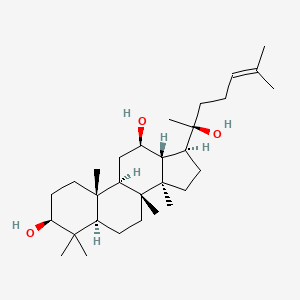
Chemical structure of SAFFLOWER OIL

SAFFLOWER OIL

CAS Number: 8001-23-8

Also Known As: CARTHAMUS TINCTORIUS SEED OIL

Category: emollient

Safflower oil. High in linoleic acid

SAFFLOWER OIL is an emollient ingredient used in skincare formulations.

EMOLLIENT

🌍 Regulatory Status

EU: No restriction on fileUS: No restriction on file

📊 Comedogenicity

⬜⬜⬜⬜⬜

0/5

📚 Research & Evidence

PUBMED CITATIONS
4
Data sources: EU CosIng PubMed

🔬 The Science

Safflower oil contains linoleic acid, which is classified as an essential fatty acid—a type of fat your body cannot make on its own and must obtain from external sources. In a 1976 study published in the American Journal of Clinical Nutrition, researchers applied safflower oil to the skin of rats with essential fatty acid deficiency and measured changes in their blood chemistry. The study found that #1: cutaneous (skin) application of safflower oil increased linoleic acid and arachidonic acid levels in both plasma and red blood cell phospholipids, while decreasing eicosatrienoic acid (Am J Clin Nutr, 1976). However, the researchers noted an important caveat: while the oil reversed biochemical markers of deficiency, whether it could actually *prevent* deficiency was still unproven.

This research was conducted in animals, not humans, so its relevance to typical skincare use remains unclear. More recent research from 2022 published in the International Journal of Pharmaceutics explored safflower oil in a very different context: as a microscopic delivery system for a hair growth protein called human fibroblast growth factor 10 (hFGF10) in mice with androgenetic alopecia (male/female pattern hair loss). In this engineered formulation, #2: safflower oil nanoparticles loaded with hFGF10 penetrated hair follicles and reduced inflammatory molecules associated with hair loss, enhancing hair regeneration in the mouse model (Int J Pharm, 2022). It’s important to note this study used safflower oil as a carrier in a highly specialized pharmaceutical preparation, not as a standalone skincare ingredient in humans.

The existing research base for safflower oil in skincare is quite limited. The 1976 study addresses biochemical changes but was conducted in animals with induced deficiency. The 2022 study involved a novel engineered formulation tested only in mice. Neither study establishes clear, practical benefits for typical human skincare use.

💧 Skin Type Compatibility

100%
Sensitive
100%
Oily
100%
Dry
100%
Combination
100%
Acne-prone
100%
Normal

Derived from this ingredient’s irritancy potential and comedogenicity rating against the needs of each skin type — e.g. oily and acne-prone skin are marked down for pore-clogging ingredients, sensitive skin for irritants. A starting heuristic, not a dermatological verdict.

⚠️ Don’t Combine With

No data yet
No known incompatibilities on file for this ingredient.

🧴 Products Containing SAFFLOWER OIL

📄 Related Research

Matched by search — not necessarily verified support for every statement above.

Similar Ingredients

(20S)-PROTOPANAXADIOL
emollient
View
(ANGELICA ACUTILOBA/PAEONIA LACTIFLORA) ROOT/CNIDIUM OFFICINALE RHIZOME EXTRACT
emollient
View
2-CAPRYLOYL CAPRYLOYL METHYL ALANINATE
emollient
View
2,5-DIHYDROXYBENZOYL DIPEPTIDE-27
humectant
View
2,5-DIHYDROXYBENZOYL DIPEPTIDE-48
humectant
View
3,4-DIHYDROXYBENZOYL DIPEPTIDE-49 AMIDE
humectant
View
ABELMOSCHUS MANIHOT FLOWER WATER
emollient
View
ACACIA DEALBATA FLOWER WAX
emollient
View