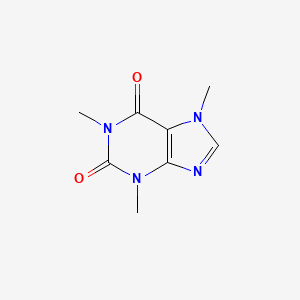
CAFFEINE
CAS 58-08-2 · active · EC 200-362-1 · KR 카페인
1H-Purine-2,6-dione, 3,7-dihydro-1,3,7-trimethyl-
CAFFEINE is an active ingredient used in skincare formulations.
Quick facts
Description: CAFFEINE — antioxidant, de-puffing, vasoconstrictor (common in eye creams).
All Functions: antioxidant, de-puffing, vasoconstrictor (common in eye creams)
Quick Facts:
- Category: active
Proven Benefits At A Glance:
- Caffeine can penetrate the skin barrier and is commonly used in topical skincare at 3% concentration
- It has antioxidant properties and may protect skin from UV damage and aging
- Caffeine is used in anti-cellulite products because it may help prevent fat accumulation in cells
- Research shows caffeine can help reduce hair loss when combined with adenosine in shampoos
- At low doses, caffeine may help protect skin cells from oxidative stress and senescence (premature aging at the cellular level)
Chemical Overview
Caffeine appears as odorless white powder or white glistening needles, usually melted together. Bitter taste. Solutions in water are neutral to litmus. Odorless. (NTP, 1992) Caffeine is a trimethylxanthine in which the three methyl groups are located at positions 1, 3, and 7. A purine alkaloid that occurs naturally in tea and coffee. It has a role as a geroprotector, a mutagen, a central nervous system stimulant, a psychotropic drug, a diuretic, a xenobiotic, an EC 3.1.4.* (phosphoric diester hydrolase) inhibitor, an EC 2.7.11.1 (non-specific serine/threonine protein kinase) inhibitor, an adenosine A2A receptor antagonist, an adjuvant, a food additive, a ryanodine receptor agonist, an adenosine receptor antagonist, a mouse metabolite, a plant metabolite, a fungal metabolite, an environmental contaminant and a human blood serum metabolite. It is a purine alkaloid and a trimethylxanthine. Caffeine is a drug of the methylxanthine class used for a variety of purposes, including certain respiratory conditions of the premature newborn, pain relief, and to combat drowsiness. Caffeine is similar in chemical structure to [Theophylline] and [Theobromine]. It can be sourced from coffee beans, but also occurs naturally in various teas and cacao beans, which are different than coffee beans. Caffeine is also used in a variety of cosmetic products and can be administered topically, orally, by inhalation, or by injection. The caffeine citrate injection, used for apnea of the premature newborn, was initially approved by the FDA in 1999. According to an article from 2017, more than 15 million babies are born prematurely worldwide. This correlates to about 1 in 10 births. Premature birth can lead to apnea and bronchopulmonary dysplasia, a condition that interferes with lung development and may eventually cause asthma or early onset emphysema in those born prematurely. Caffeine is beneficial in preventing and treating apnea and bronchopulmonary dysplasia in newborns, improving the quality of life of premature infants.
Source(s): CAMEO Chemicals, ChEBI, DrugBank, via PubChem
Comedogenicity
Similar Ingredients

📰 More News
-
The CCL20-CCR6 axis predominantly drives IL-17-mediated psoriasis while modestly contributing to papain-induced type 2 inflammation
PubMed · Jul 11, 2026
-
SkinCeuticals Just Reformulated Its C E Ferulic Serum
Allure · Jul 20, 2026
-
Are Sunscreen Oils Just Tanning Oils in Disguise? Experts Weigh In
Allure · Jul 20, 2026
-
Update to RIFM fragrance ingredient safety assessment, propenylguaethol, CAS Registry Number 94-86-0
PubMed · Jul 20, 2026
-
Earth Harbor Obscura Night Repair Concentrate Review
Allure · Jul 21, 2026
-
Okay, We’ll Bite: Fruity Perfumes Are Cool
Allure · Jul 21, 2026