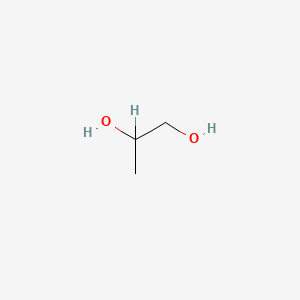
E1520 – PROPYLENE GLYCOL
CAS — · also known as E1520 – 1‚2-propandiolis, E1520 – Propano-1‚2-diol, E1520, E1520 – 1‚2-propandiolo, E1520 – Propan-1‚2-diol, E1520 – 1‚2-propaandiool, E1520 – 1‚2-propandiol, E1520 – Propān-1‚2-diols, E1520 – Propaan-1‚2-diol, E1520 – propilenglicol, E1520 – Propylène glycol, E1520 – Propyyliglykoli, E1520 – Пропан-1‚2-диол, E1520 – Προπανοδιολη-1, E1520 – Propán-1‚2-diol, E1520 – Пропиленгликоль · other
E1520 – PROPYLENE GLYCOL is an other ingredient used in skincare formulations.
Quick facts
Quick Facts:
- Category: other
- Also Known As: E1520 – 1‚2-propandiolis, E1520 – Propano-1‚2-diol, E1520, E1520 – 1‚2-propandiolo, E1520 – Propan-1‚2-diol, E1520 – 1‚2-propaandiool, E1520 – 1‚2-propandiol, E1520 – Propān-1‚2-diols, E1520 – Propaan-1‚2-diol, E1520 – propilenglicol, E1520 – Propylène glycol, E1520 – Propyyliglykoli, E1520 – Пропан-1‚2-диол, E1520 – Προπανοδιολη-1, E1520 – Propán-1‚2-diol, E1520 – Пропиленгликоль
Chemical Overview
Propylene glycol is a synthetic liquid substance that absorbs water. Propylene glycol is also used to make polyester compounds, and as a base for deicing solutions. Propylene glycol is used by the chemical, food, and pharmaceutical industries as an antifreeze when leakage might lead to contact with food. The Food and Drug Administration (FDA) has classified propylene glycol as an additive that is “generally recognized as safe” for use in food. It is used to absorb extra water and maintain moisture in certain medicines, cosmetics, or food products. It is a solvent for food colors and flavors, and in the paint and plastics industries. Propylene glycol is also used to create artificial smoke or fog used in fire-fighting training and in theatrical productions. Other names for propylene glycol are 1,2-dihydroxypropane, 1,2-propanediol, methyl glycol, and trimethyl glycol. Propylene glycol is clear, colorless, slightly syrupy liquid at room temperature. It may exist in air in the vapor form, although propylene glycol must be heated or briskly shaken to produce a vapor. Propylene glycol is practically odorless and tasteless. Thick odorless colorless liquid. Mixes with water. (USCG, 1999) Propane-1,2-diol is the simplest member of the class of propane-1,2-diols, consisting of propane in which a hydrogen at position 1 and a hydrogen at position 2 are substituted by hydroxy groups. A colourless, viscous, hygroscopic, low-melting (59C) and high-boiling (188C) liquid with low toxicity, it is used as a solvent, emulsifying agent, and antifreeze. It has a role as a protic solvent, an allergen, a mouse metabolite and a human xenobiotic metabolite. It is a glycol and a member of propane-1,2-diols.
Source(s): ChEBI, Agency for Toxic Substances and Disease Registry (ATSDR), CAMEO Chemicals, via PubChem
Comedogenicity
Similar Ingredients

📰 More News
-
The CCL20-CCR6 axis predominantly drives IL-17-mediated psoriasis while modestly contributing to papain-induced type 2 inflammation
PubMed · Jul 11, 2026
-
SkinCeuticals Just Reformulated Its C E Ferulic Serum
Allure · Jul 20, 2026
-
Are Sunscreen Oils Just Tanning Oils in Disguise? Experts Weigh In
Allure · Jul 20, 2026
-
Update to RIFM fragrance ingredient safety assessment, propenylguaethol, CAS Registry Number 94-86-0
PubMed · Jul 20, 2026
-
Earth Harbor Obscura Night Repair Concentrate Review
Allure · Jul 21, 2026
-
Okay, We’ll Bite: Fruity Perfumes Are Cool
Allure · Jul 21, 2026