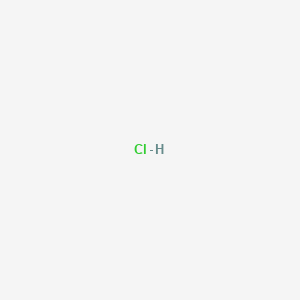
E507 – HYDROCHLORIC ACID
CAS — · also known as E507 – Kwas chlorowodorowy, E507 – Vandenilio chlorido rūgštis, E507 – Acido cloridrico, E507 – Saltsyre, E507 – Ácido clorhídrico, E507, E507 – Zoutzuur, E507 – Acid clorhidric, E507 – Soolhape, E507 – Sālskābe, E507 – Saltsyra, E507 – Àcid clorhídric, E507 – Acide chlorhydrique, E507 – Suolahappo, E507 – Aċidu idrokloriku, E507 – Солна киселина, E507 – Kyselina chlorovodíková, E507 – Υδροχλωρικο οξυ, E507 – Salzsäure, E507 – Klorovodikova kislina, E507 – Sósav, E507 – Ácido clorídrico · other
E507 – HYDROCHLORIC ACID is an other ingredient used in skincare formulations.
Quick facts
Quick Facts:
- Category: other
- Also Known As: E507 – Kwas chlorowodorowy, E507 – Vandenilio chlorido rūgštis, E507 – Acido cloridrico, E507 – Saltsyre, E507 – Ácido clorhídrico, E507, E507 – Zoutzuur, E507 – Acid clorhidric, E507 – Soolhape, E507 – Sālskābe, E507 – Saltsyra, E507 – Àcid clorhídric, E507 – Acide chlorhydrique, E507 – Suolahappo, E507 – Aċidu idrokloriku, E507 – Солна киселина, E507 – Kyselina chlorovodíková, E507 – Υδροχλωρικο οξυ, E507 – Salzsäure, E507 – Klorovodikova kislina, E507 – Sósav, E507 – Ácido clorídrico
Chemical Overview
At room temperature, hydrogen chloride is a colorless to slightly yellow, corrosive, nonflammable gas that is heavier than air and has a strong irritating odor. On exposure to air, hydrogen chloride forms dense white corrosive vapors. Hydrogen chloride can be released from volcanoes. Hydrogen chloride has many uses, including cleaning, pickling, electroplating metals, tanning leather, and refining and producing a wide variety of products. Hydrogen chloride can be formed during the burning of many plastics. Upon contact with water, it forms hydrochloric acid. Both hydrogen chloride and hydrochloric acid are corrosive. Hydrochloric acid, solution is a colorless watery liquid with a sharp, irritating odor. Consists of hydrogen chloride, a gas, dissolved in water. Sinks and mixes with water. Produces irritating vapor. (USCG, 1999) Hydrogen chloride, anhydrous appears as a colorless gas with a sharp, pungent odor. Fumes strongly in moist air. Nonflammable. Corrosive to metals and tissues and irritating to the eyes and respiratory system. Heavier than air. Long-term inhalation of low concentrations or short-term inhalation of high concentrations has adverse health effects. Prolonged exposure to fire or intense heat may result in the violent rupture and rocketing of the container. Used in the manufacture of rubber, pharmaceuticals, chemicals, and in gasoline refining and metals processing. Rate of onset: Immediate Persistence: Minutes to hours Odor threshold: 0.77 ppm Source/use/other hazard: Ore, other metal refining/cleaning; food/pickling; petroleum; corrosive liq.
Source(s): Agency for Toxic Substances and Disease Registry (ATSDR), CAMEO Chemicals, via PubChem
Comedogenicity
Similar Ingredients

📰 More News
-
The CCL20-CCR6 axis predominantly drives IL-17-mediated psoriasis while modestly contributing to papain-induced type 2 inflammation
PubMed · Jul 11, 2026
-
SkinCeuticals Just Reformulated Its C E Ferulic Serum
Allure · Jul 20, 2026
-
Are Sunscreen Oils Just Tanning Oils in Disguise? Experts Weigh In
Allure · Jul 20, 2026
-
Update to RIFM fragrance ingredient safety assessment, propenylguaethol, CAS Registry Number 94-86-0
PubMed · Jul 20, 2026
-
Earth Harbor Obscura Night Repair Concentrate Review
Allure · Jul 21, 2026
-
Okay, We’ll Bite: Fruity Perfumes Are Cool
Allure · Jul 21, 2026