Mia Seilern
⚠️ Data is provided for informational purposes only. It may contain inaccuracies and should be independently verified. This is not medical advice. Consult a healthcare professional before making health decisions.

Description: LINSEED OIL — EMOLLIENT.

All Functions: EMOLLIENT

Quick Facts:

  • Category: emollient
  • Also Known As: LINUM USITATISSIMUM OIL
  • Comedogenic Rating: 5/5

Proven Benefits At A Glance:

  • Linseed oil contains omega-3 fatty acids, particularly alpha-linolenic acid, which have anti-inflammatory properties
  • Oral linseed oil may help improve skin barrier function and reduce water loss from skin in animal studies
  • Both oral and topical linseed oil showed effectiveness in treating dry eye conditions in animal models
  • Linseed oil is being researched for potential benefits in skin disorders and various chronic health conditions
  • Limited human clinical evidence exists; most research to date has been conducted in animals
Safety: CautionResearch confidence: None

Safety tier is a starting heuristic from regulatory status and comedogenic rating, not a dermatological verdict — see our Terms for the full disclaimer. Research confidence reflects how many real cited studies back this ingredient, not the strength of their findings.

Pregnancy safe

🧪 LINSEED OIL

Chemical structure of LINSEED OIL

LINSEED OIL

CAS Number: 8001-26-1

Also Known As: LINUM USITATISSIMUM OIL

Category: emollient

Linseed oil (refined). Maximum comedogenicity

LINSEED OIL is an emollient ingredient used in skincare formulations.

EMOLLIENT

🌍 Regulatory Status

EU: No restriction on fileUS: No restriction on file

📊 Comedogenicity

🟥🟥🟥🟥🟥

5/5

📚 Research & Evidence

PUBMED CITATIONS
4
Data sources: EU CosIng PubMed

🔬 The Science

Linseed oil is rich in omega-3 fatty acids, with alpha-linolenic acid as a key component (Critical Reviews in Food Science and Nutrition, 2025). Here’s what the current research shows:

#1: Skin Barrier Support — In obese mice, oral linseed oil intake reduced transepidermal water loss (TEWL), the primary measure of skin barrier function, compared to controls. The mice also showed less visible skin redness after UV exposure (Cureus, 2024). The research suggests this effect works because alpha-linolenic acid from the linseed oil is absorbed into red blood cells and delivered to skin tissue, where it reduces inflammatory gene expression. Scientists observed that alpha-linolenic acid levels in skin were inversely correlated with inflammation markers, meaning higher omega-3 levels corresponded with lower inflammation (Cureus, 2024).

#2: Dry Eye Treatment — Multiple animal studies tested linseed oil for experimentally induced dry eye (keratoconjunctivitis sicca). One study found that linseed oil administered orally, topically, or both showed significant improvements in tear production and corneal health compared to untreated controls, though combining both routes didn’t provide additional benefits beyond a single route (Journal of Ophthalmic Inflammation and Infection, 2013). In another study comparing linseed oil to olive oil for dry eye, linseed oil performed better at reducing corneal damage and inflammation, and it enhanced the effectiveness of cyclosporine when used as a delivery vehicle (Arquivos Brasileiros de Oftalmologia, 2015).

Important limitations: All skin and eye studies cited were conducted in animals (mice and rabbits), not humans. The Critical Reviews source identifies skin disorder relief as a “secondary” health effect of linseed and notes that intensified research efforts are needed across multiple areas including clinical studies in humans (Critical Reviews in Food Science and Nutrition, 2025). No human clinical trial data on linseed oil for skincare appears in these sources.

💧 Skin Type Compatibility

85%
Sensitive
40%
Oily
85%
Dry
40%
Combination
40%
Acne-prone
80%
Normal

Derived from this ingredient’s irritancy potential and comedogenicity rating against the needs of each skin type — e.g. oily and acne-prone skin are marked down for pore-clogging ingredients, sensitive skin for irritants. A starting heuristic, not a dermatological verdict.

⚠️ Don’t Combine With

No data yet
No known incompatibilities on file for this ingredient.

🧴 Products Containing LINSEED OIL

📄 Related Research

Matched by search — not necessarily verified support for every statement above.

Similar Ingredients

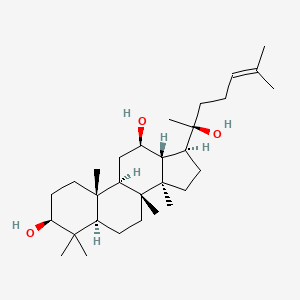
(20S)-PROTOPANAXADIOL
emollient
View
(ANGELICA ACUTILOBA/PAEONIA LACTIFLORA) ROOT/CNIDIUM OFFICINALE RHIZOME EXTRACT
emollient
View
2-CAPRYLOYL CAPRYLOYL METHYL ALANINATE
emollient
View
2,5-DIHYDROXYBENZOYL DIPEPTIDE-27
humectant
View
2,5-DIHYDROXYBENZOYL DIPEPTIDE-48
humectant
View
3,4-DIHYDROXYBENZOYL DIPEPTIDE-49 AMIDE
humectant
View
ABELMOSCHUS MANIHOT FLOWER WATER
emollient
View
ACACIA DEALBATA FLOWER WAX
emollient
View