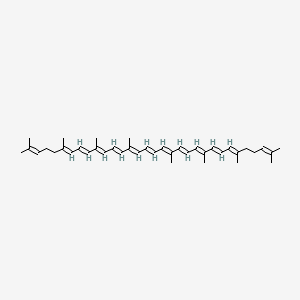
Description: LYCOPENE — antioxidant carotenoid (tomato-derived).
All Functions: antioxidant carotenoid (tomato-derived)
Quick Facts:
- Category: active
Proven Benefits At A Glance:
- Lycopene is a natural antioxidant found mainly in tomatoes and tomato products
- It’s one of the most potent carotenoids at neutralizing harmful molecules (ROS) created by UV exposure
- Unlike beta-carotene, lycopene doesn’t convert to vitamin A in your body
- Lycopene isn’t destroyed by cooking; heat actually improves how well your body absorbs it
- No toxicity or adverse effects from lycopene supplementation have been reported
- Research shows mixed but generally positive results for skin photoprotection
Safety tier is a starting heuristic from regulatory status and comedogenic rating, not a dermatological verdict — see our Terms for the full disclaimer. Research confidence reflects how many real cited studies back this ingredient, not the strength of their findings.
🧪 LYCOPENE
LYCOPENE
CAS Number: 502-65-8
Also Known As: —
Category: active
EC Number: 207-949-1
Korean Name: 라이코펜
(all-E)-2,6,10,14,19,23,27,31-Octamethyl-2,6,8,10,14,16,18,20,22,24,26,30-Dotriaconatridecaene
LYCOPENE is an active ingredient used in skincare formulations.
🌍 Regulatory Status
📊 Comedogenicity
📚 Research & Evidence
🔬 The Science
Lycopene is a carotenoid—a type of plant pigment with antioxidant properties—that accumulates in tomatoes and tomato-derived products. When you eat lycopene-rich foods or supplements, your body distributes this compound into sun-exposed tissues like skin, where it can work as a systemic photoprotector (meaning protection from inside your body rather than from a topical sunscreen). #1: UV damage prevention. Lycopene is described as “one of the most efficient singlet oxygen quenchers” among carotenoids (Photochem Photobiol Sci, 2006). When your skin is exposed to UV radiation, it generates reactive oxygen species (ROS)—unstable molecules that damage cells. Lycopene neutralizes these harmful molecules (Crit Rev Food Sci Nutr, 2024).
In human studies, after 10–12 weeks of lycopene or tomato product consumption, volunteers showed decreased sensitivity to UV-induced skin redness (erythema) (Photochem Photobiol Sci, 2006). #2: Improvements in skin appearance and resilience. A meta-analysis of 21 human intervention studies found that lycopene and tomato supplementation were associated with significant increases in MED (minimal erythema dose—essentially how much UV exposure your skin can tolerate before reddening), skin thickness, and skin density, while reducing skin redness markers and pigmentation changes (Crit Rev Food Sci Nutr, 2024). The same analysis showed reductions in MMP-1 and ICAM-1, which are markers linked to skin damage and aging.
#3: Potential broader health associations. While not directly a skincare claim, lower serum lycopene levels were significantly associated with increased risk of nonalcoholic fatty liver disease (MAFLD) in a 2025 meta-analysis, though effects on blood sugar control remain inconclusive (Life [Basel], 2025). Important caveats: One review noted that “photoprotective properties of lycopene remain contradictory,” with some studies showing positive effects and others negative effects in laboratory and animal models (Exp Dermatol, 2014). The researchers acknowledge “crucial gaps exist in understanding the role of carotenoids as effective modulators” of skin cell processes. The human intervention studies do show benefits, but researchers emphasize that more work is needed to understand exactly how lycopene works at the molecular level.
Lycopene works best as a complement to other sun protection strategies, not as a replacement for sunscreen.
💧 Skin Type Compatibility
⚠️ Don’t Combine With
🧴 Products Containing LYCOPENE
📄 Related Research
Matched by search — not necessarily verified support for every statement above.
- Zhang X et al. (2024). The effect of tomato and lycopene on clinical characteristics and molecular markers of UV-induced skin deterioration: A systematic review and meta-analysis of intervention trials. Crit Rev Food Sci Nutr.
- Ascenso A et al. (2014). Chemoprevention of photocarcinogenesis by lycopene. Exp Dermatol.
- Stahl W et al. (2006). Lycopene-rich products and dietary photoprotection. Photochem Photobiol Sci.
- Bánhegyi G (2005). [Lycopene–a natural antioxidant]. Orv Hetil.
- Viña I et al. (2025). Association Between Lycopene and Metabolic Disease Risk and Mortality: Systematic Review and Meta-Analysis. Life (Basel).
Similar Ingredients


📰 More News
-
The CCL20-CCR6 axis predominantly drives IL-17-mediated psoriasis while modestly contributing to papain-induced type 2 inflammation
PubMed · 23 days ago
-
SkinCeuticals Just Reformulated Its C E Ferulic Serum
Allure · 14 days ago
-
Are Sunscreen Oils Just Tanning Oils in Disguise? Experts Weigh In
Allure · 14 days ago
-
Update to RIFM fragrance ingredient safety assessment, propenylguaethol, CAS Registry Number 94-86-0
PubMed · 14 days ago
-
Earth Harbor Obscura Night Repair Concentrate Review
Allure · 13 days ago
-
Okay, We’ll Bite: Fruity Perfumes Are Cool
Allure · 13 days ago