Mia Seilern
⚠️ Data is provided for informational purposes only. It may contain inaccuracies and should be independently verified. This is not medical advice. Consult a healthcare professional before making health decisions.

Description: MAGNESIUM ASCORBYL PHOSPHATE — stable water-soluble vitamin C derivative, brightening, antioxidant.

All Functions: stable water-soluble vitamin C derivative, brightening, antioxidant

Quick Facts:

  • Category: active

Proven Benefits At A Glance:

  • Magnesium ascorbyl phosphate (MAP) is a stabilized form of vitamin C designed for skincare products
  • Functions primarily as an antioxidant in cosmetics
  • Typically used at very low concentrations (0.001% to 3%)
  • Research suggests potential benefits for UV protection, acne-related inflammation, and melasma (dark skin patches)
  • Considered safe for cosmetic use based on available toxicology data
Safety: Generally Low ConcernResearch confidence: Good

Safety tier is a starting heuristic from regulatory status and comedogenic rating, not a dermatological verdict — see our Terms for the full disclaimer. Research confidence reflects how many real cited studies back this ingredient, not the strength of their findings.

Pregnancy safe

🧪 MAGNESIUM ASCORBYL PHOSPHATE

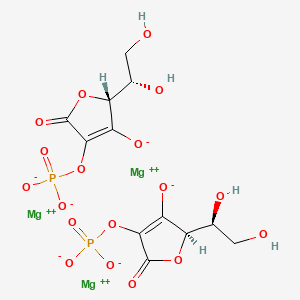
Chemical structure of MAGNESIUM ASCORBYL PHOSPHATE

MAGNESIUM ASCORBYL PHOSPHATE

CAS Number: 114040-31-2 — 113170-55-1

Also Known As:

Category: active

Korean Name: 마그네슘아스코빌포스페이트

Ascorbic acid, monoester with phosphoric acid, magnesium salt (2:3)

MAGNESIUM ASCORBYL PHOSPHATE is an active ingredient used in skincare formulations.

stable water-soluble vitamin C derivativebrighteningantioxidant

🌍 Regulatory Status

EU: No restriction on fileUS: No restriction on file

📊 Comedogenicity

No data yet
Not rated for this ingredient yet.

📚 Research & Evidence

PUBMED CITATIONS
5
Data sources: EU CosIng PubMed

🔬 The Science

Magnesium ascorbyl phosphate is a derivative of ascorbic acid—the scientific name for vitamin C. Because plain vitamin C is notoriously unstable in skincare formulations, MAP was created as a more shelf-stable alternative that can deliver vitamin C into skin over time (Drug Deliv, 2022). #1: Antioxidant function. MAP works as an antioxidant in cosmetics, meaning it helps neutralize harmful molecules called free radicals (Int J Toxicol, 2005). Related vitamin C derivatives are used at concentrations ranging from 0.001% to 3%. #2: Potential UV protection. In animal studies, ascorbic acid (the parent ingredient) acted as a photoprotectant when applied before UV exposure, and MAP specifically delayed skin tumor formation and hyperplasia induced by chronic UV exposure in hairless mice (Int J Toxicol, 2005).

However, these are animal studies and don’t directly prove human benefit. #3: Anti-inflammatory effects in acne. In laboratory studies using cultured sebocytes (oil-producing skin cells), MAP decreased inflammatory markers and lipid peroxidation that are elevated in acne conditions (Ann Dermatol, 2015). The research suggests MAP “may be an effective alternative agent to improve inflammatory reactions in acne,” though this was demonstrated in cells, not yet in human acne treatment studies. #4: Potential benefit for melasma. In one human clinical trial, 5% MAP combined with fluorescent pulsed light therapy reduced melasma severity by 69% after 12 weeks in Asian patients (skin types III–V), with results persisting partially at 24 weeks (Int J Dermatol, 2014).

However, this study combined MAP with light therapy, so the isolated contribution of MAP alone is unclear. A separate laboratory study suggests MAP formulated in specialized delivery systems (ethosomes and niosomes) showed clinically significant melanin reduction in melasma after one to six months (Drug Deliv, 2022). #5: Safety profile. The toxicology review found no evidence of skin sensitization, irritation, carcinogenicity, or genotoxicity when ascorbic acid (the parent compound) was tested at 5–10% concentrations on human skin (Int J Toxicol, 2005). Because MAP and related vitamin C derivatives share similar chemical structure and function, the expert panel extrapolated safety data across this ingredient family.

The sources note no significant adverse effects in the clinical melasma trial (Int J Dermatol, 2014). Important limitations: Most research on MAP’s specific benefits comes from laboratory studies or small clinical trials, often combined with other treatments. The human evidence for standalone MAP use remains limited compared to the extensive toxicology data.

💧 Skin Type Compatibility

90%
Sensitive
96%
Oily
94%
Dry
95%
Combination
96%
Acne-prone
95%
Normal

Derived from this ingredient’s irritancy potential and comedogenicity rating against the needs of each skin type — e.g. oily and acne-prone skin are marked down for pore-clogging ingredients, sensitive skin for irritants. A starting heuristic, not a dermatological verdict.

⚠️ Don’t Combine With

No data yet
No known incompatibilities on file for this ingredient.

🧴 Products Containing MAGNESIUM ASCORBYL PHOSPHATE

📄 Related Research

Matched by search — not necessarily verified support for every statement above.

Similar Ingredients

(CINNAMOMUM CASSIA/MAGNOLIA OFFICINALIS) BARK/(ALPINIA OFFICINARUM/ANGELICA GIGAS) ROOT EXTRACT
active
View
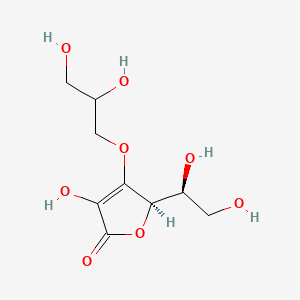
3-GLYCERYL ASCORBATE
active
View
3-LAURYLGLYCERYL ASCORBATE
active
View
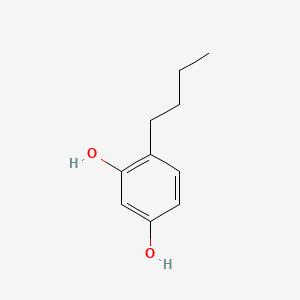
4-BUTYLRESORCINOL
4-BUTYLRESORCINOL
active
View
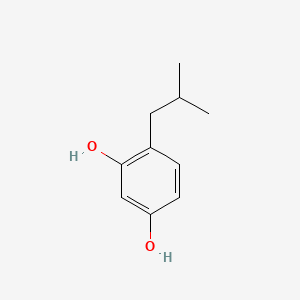
4-ISOBUTYLRESORCINOL
active
View
ABIES ALBA SEED EXTRACT
active
View
ABIES ALBA SEED OIL
ABIES ALBA SEED OIL
active
View
ACACIA CATECHU CATECHINS
active
View