Mia Seilern
MENTHOL
⚠️ Data is provided for informational purposes only. It may contain inaccuracies and should be independently verified. This is not medical advice. Consult a healthcare professional before making health decisions.

Description: MENTHOL — cooling sensation (can be irritating or drying at higher concentrations).

All Functions: cooling sensation (can be irritating or drying at higher concentrations)

Quick Facts:

  • Category: active
  • Regulatory Note: Restricted in the EU

Proven Benefits At A Glance:

  • Menthol is a naturally occurring compound from peppermint that creates a cooling sensation on skin
  • It works by activating TRPM8 channels, which are cold-sensing receptors in nerve cells
  • Topically applied menthol can reduce pain by initially stimulating then desensitizing nerve endings
  • Menthol has antimicrobial, antioxidant, and anti-inflammatory properties
  • It may trigger allergic reactions in sensitive individuals, including asthma and allergic rhinitis
Safety: CautionResearch confidence: Good

Safety tier is a starting heuristic from regulatory status and comedogenic rating, not a dermatological verdict — see our Terms for the full disclaimer. Research confidence reflects how many real cited studies back this ingredient, not the strength of their findings.

EU-listed allergen

⚠️ Allergen Warning

MENTHOL is listed as an EU-recognized allergen (fragrance) and must be disclosed on product labels above the required threshold concentration.

🧪 MENTHOL

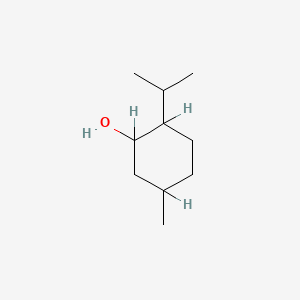
Chemical structure of MENTHOL

MENTHOL

CAS Number: 1490-04-6 / 2216-51-5 / 89-78-1 / 15356-70-4

Also Known As:

Category: active

EC Number: 216-074-4 / 218-690-9 / 201-939-0 / 239-388-3

Korean Name: 멘톨

Cyclohexanol, 5-methyl-2-(1-methylethyl)-

MENTHOL is an active ingredient used in skincare formulations.

cooling sensation (can be irritating or drying at higher concentrations)

🌍 Regulatory Status

EU: RestrictedUS: No restriction on file

📊 Comedogenicity

No data yet
Not rated for this ingredient yet.

📚 Research & Evidence

PUBMED CITATIONS
5
Data sources: EU CosIng PubMed

🔬 The Science

Menthol is a phytochemical—a naturally occurring compound found in plants—with the molecular formula C10H20O (Eur Rev Med Pharmacol Sci, 2022). The compound has been used as a pain reliever since ancient times, and modern science has revealed how it works at the molecular level (J Clin Pharm Ther, 2018). #1: Cooling sensation and pain relief: Menthol’s signature cooling effect comes from its interaction with TRPM8 channels, which are specialized proteins found on a subset of sensory neurons that detect temperature and pain (Cell, 2002; J Clin Pharm Ther, 2018). When applied topically to skin, menthol acts as a counter-irritant—it initially stimulates nerve endings called nociceptors and then desensitizes them, reducing the sensation of pain (J Clin Pharm Ther, 2018).

The cooling impression may also activate pain-relief pathways in the central nervous system (J Clin Pharm Ther, 2018). #2: Broader health properties: Beyond pain relief, peppermint containing menthol exhibits antimicrobial, antioxidant, anti-inflammatory, and immunomodulatory properties (Crit Rev Food Sci Nutr, 2025). Research suggests it may have potential benefits for gastrointestinal issues, skin and wound healing, dental health, and psychological well-being, though the review notes these findings require further confirmation (Crit Rev Food Sci Nutr, 2025). #3: Important cautions: Menthol can trigger allergic hypersensitivity reactions in susceptible individuals, including asthma, allergic rhinitis (nasal inflammation), and urticaria (hives) (Eur Rev Med Pharmacol Sci, 2022).

The mechanism appears to involve menthol stimulating histamine release from immune cells in a dose-dependent manner (Eur Rev Med Pharmacol Sci, 2022). High concentrations of topical menthol may also cause cold allodynia—a condition where normally cool sensations feel painful (J Clin Pharm Ther, 2018). Products containing menthol should be avoided by individuals with existing allergic disorders (Eur Rev Med Pharmacol Sci, 2022).

💧 Skin Type Compatibility

40%
Sensitive
96%
Oily
94%
Dry
95%
Combination
96%
Acne-prone
95%
Normal

Derived from this ingredient’s irritancy potential and comedogenicity rating against the needs of each skin type — e.g. oily and acne-prone skin are marked down for pore-clogging ingredients, sensitive skin for irritants. A starting heuristic, not a dermatological verdict.

⚠️ Don’t Combine With

No data yet
No known incompatibilities on file for this ingredient.

🧴 Products Containing MENTHOL

📄 Related Research

Matched by search — not necessarily verified support for every statement above.

Similar Ingredients

(CINNAMOMUM CASSIA/MAGNOLIA OFFICINALIS) BARK/(ALPINIA OFFICINARUM/ANGELICA GIGAS) ROOT EXTRACT
active
View
3-GLYCERYL ASCORBATE
active
View
3-LAURYLGLYCERYL ASCORBATE
active
View
4-BUTYLRESORCINOL
4-BUTYLRESORCINOL
active
View
4-ISOBUTYLRESORCINOL
active
View
ABIES ALBA SEED EXTRACT
active
View
ABIES ALBA SEED OIL
ABIES ALBA SEED OIL
active
View
ACACIA CATECHU CATECHINS
active
View