Mia Seilern
MICA
⚠️ Data is provided for informational purposes only. It may contain inaccuracies and should be independently verified. This is not medical advice. Consult a healthcare professional before making health decisions.

Description: MICA — shimmer/pearlescent pigment.

All Functions: shimmer/pearlescent pigment

Quick Facts:

  • Category: colourant

Proven Benefits At A Glance:

  • MICA is a gene that encodes immune proteins expressed during cellular stress, studied in connection with inflammatory diseases
  • Mica-based traditional medicines (from the mineral biotite mica) have shown antimicrobial activity in lab studies, but preparation method significantly affects potency
  • Untreated mica minerals may contain harmful trace elements; traditional preparation involves purification and heating to reduce toxicity
  • MICA gene variants have been associated with seborrheic dermatitis and Behçet’s disease in research studies
  • Sources are limited: no human skincare efficacy studies on topical mica products were found
Safety: Generally Low ConcernResearch confidence: Good

Safety tier is a starting heuristic from regulatory status and comedogenic rating, not a dermatological verdict — see our Terms for the full disclaimer. Research confidence reflects how many real cited studies back this ingredient, not the strength of their findings.

Pregnancy safe

🧪 MICA

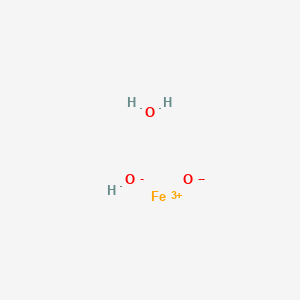
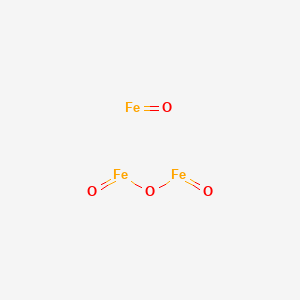
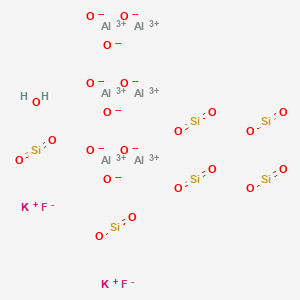
Chemical structure of MICA

MICA

CAS Number: 12001-26-2

Also Known As:

Category: colourant

EC Number: 601-648-2

Mica is a series of silicate minerals of varying chemical composition but with similar physical properties. Mica may have well-defined cleavage and split into very thin sheets.

MICA is a colourant ingredient used in skincare formulations.

shimmer/pearlescent pigment

🌍 Regulatory Status

EU: No restriction on fileUS: No restriction on file

📊 Comedogenicity

No data yet
Not rated for this ingredient yet.
📚 Research & Evidence

PUBMED CITATIONS
5
Data sources: EU CosIng PubMed

🔬 The Science

There are actually two different meanings of ‘MICA’ in the available research, which is important to understand. First, MICA is a gene (major histocompatibility complex class I chain-related gene A) that produces stress-response proteins in your immune system. Research has explored connections between MICA gene variants and inflammatory skin conditions. #1: In seborrheic dermatitis (a common skin condition affecting about 5% of people), increased MICA expression was observed in skin biopsies from affected patients, suggesting the immune system’s stress-sensing molecules may play a role in tissue damage (Clinical Immunology, 2003). #2: The MICA-A6 gene variant has been associated with increased susceptibility to Behçet’s disease, a systemic inflammatory condition, across multiple populations (Biomedical Reports, 2016).

Second, ‘mica’ refers to a mineral called biotite mica used in traditional South Asian medicine, particularly Ayurvedic formulations. Research on mica-based herbal preparations shows these can have antimicrobial properties in laboratory tests. #3: When tested against common bacteria and fungi, certain mica drug formulations demonstrated activity against Gram-positive bacteria like Staphylococcus aureus and MRSA, with effectiveness depending heavily on the drug’s mineral composition and preparation method (BMC Complementary Medicine and Therapies, 2022). #4: The antimicrobial effect appears to work through mica particles adhering to and entrapping bacterial cells, altering their surface characteristics (BMC Complementary Medicine and Therapies, 2022). #5: Traditional preparation procedures—involving heating, quenching, and chemical treatment—are designed to reduce toxic trace elements present in raw mica while creating smaller, more absorbable particles (Journal of Ethnopharmacology, 2014).

However, the research review notes that further scientific studies are needed to fully establish safety and long-term effects (Journal of Ethnopharmacology, 2014). Importantly, the available abstracts contain no human studies on topical skincare efficacy, no data on cosmetic-grade mica safety or effectiveness, and no direct evidence that either the MICA gene or mica mineral ingredient would benefit typical skincare concerns.

💧 Skin Type Compatibility

100%
Sensitive
100%
Oily
100%
Dry
100%
Combination
100%
Acne-prone
100%
Normal

Derived from this ingredient’s irritancy potential and comedogenicity rating against the needs of each skin type — e.g. oily and acne-prone skin are marked down for pore-clogging ingredients, sensitive skin for irritants. A starting heuristic, not a dermatological verdict.

⚠️ Don’t Combine With

No data yet
No known incompatibilities on file for this ingredient.

🧴 Products Containing MICA

📄 Related Research

Matched by search — not necessarily verified support for every statement above.

📰 Recent News

  • FDA adverse event report: J And J Baby Powder (openFDA)
  • FDA adverse event report: Johnsons Powder No Upc (openFDA)

Similar Ingredients

CI 77491
CI 77491
colourant
View
CI 77492
CI 77492
colourant
View
CI 77499
CI 77499
colourant
View