Mia Seilern
⚠️ Data is provided for informational purposes only. It may contain inaccuracies and should be independently verified. This is not medical advice. Consult a healthcare professional before making health decisions.

Description: PAPAIN — enzymatic exfoliant (papaya-derived).

All Functions: enzymatic exfoliant (papaya-derived)

Quick Facts:

  • Category: active

Proven Benefits At A Glance:

  • Papain is a proteolytic enzyme (protein-digesting enzyme) found across nature and used in food, pharmaceutical, and cosmetic products
  • It can break down proteins in the skin, which is why it’s used in exfoliating masks
  • Papain can trigger allergic reactions, especially when inhaled as dust in occupational settings
  • When applied topically as a solution, papain can damage the outer skin layer; however, when embedded in specialized delivery systems, this damage doesn’t occur
  • Papain’s exfoliating activity can be preserved in face mask formulations for up to 90 days of storage
Safety: Generally Low ConcernResearch confidence: Good

Safety tier is a starting heuristic from regulatory status and comedogenic rating, not a dermatological verdict — see our Terms for the full disclaimer. Research confidence reflects how many real cited studies back this ingredient, not the strength of their findings.

🧪 PAPAIN

Chemical structure of PAPAIN

PAPAIN

CAS Number: 9001-73-4

Also Known As:

Category: active

EC Number: 232-627-2

Korean Name: 파파인

Papain

PAPAIN is an active ingredient used in skincare formulations.

enzymatic exfoliant (papaya-derived)

🌍 Regulatory Status

EU: No restriction on fileUS: No restriction on file

📊 Comedogenicity

No data yet
Not rated for this ingredient yet.

📚 Research & Evidence

PUBMED CITATIONS
5
Data sources: EU CosIng PubMed

🔬 The Science

Papain is a cysteine protease—essentially an enzyme that cuts protein molecules by targeting specific chemical bonds called peptide bonds (Foods, 2024). Because of this protein-cutting ability, papain has found widespread use in cosmetics and pharmaceuticals. #1: Exfoliation mechanism. Papain works by breaking down proteins in dead skin cells on your skin’s surface. In one study, researchers created face masks using starch and cellulose blended with papain at concentrations of 1%, 2%, and 5% (Int J Biol Macromol, 2023). When they tested these masks on porcine (pig) skin—a common model for human skin—the masks with 2% and 5% papain showed visible enzymatic exfoliation compared to masks without papain.

Importantly, when papain was embedded in these mask formulations rather than used as a liquid solution, the enzyme maintained its activity for up to 90 days during storage (Int J Biol Macromol, 2023). #2: Delivery challenges and safety in formulation. A separate study investigated how to deliver papain through skin barriers using advanced lipid-based delivery systems called transferosomes and liposomes (PLoS One, 2023). The research found that papain in solution caused noticeable degradation of the outer skin layer (epidermis) when applied directly, but when the same amount of papain was packaged inside transferosomes or liposomes, there was no visible damage to the epidermis compared to untreated skin.

In cell culture studies, papain was non-toxic to cells at concentrations below 0.01 mg/ml (PLoS One, 2023). #3: Allergy risk. Papain can cause allergic reactions, though the risk depends on exposure route. When inhaled as dust—primarily an occupational concern in factories processing papain—it can trigger both immediate and delayed asthma responses through type I and type III hypersensitivity reactions (J Allergy Clin Immunol, 1979). However, when papain comes from plant food sources and is ingested, the gastrointestinal system typically digests it before allergic reactions can develop, making allergic reactions from food-based papain rare in consumers (Foods, 2024). #4: Heat stability.

If papain is used in cosmetic or pharmaceutical products requiring heat sterilization during manufacturing, research shows papain undergoes thermal inactivation—it loses its enzymatic activity when heated. The inactivation follows a single rapid decline pattern followed by stabilization of residual activity (Chem Biodivers, 2024). This is relevant for understanding whether papain in heated final products will retain its exfoliating function.

💧 Skin Type Compatibility

No data yet
Per-skin-type data isn’t curated for this ingredient yet.

⚠️ Don’t Combine With

No data yet
No known incompatibilities on file for this ingredient.

🧴 Products Containing PAPAIN

📄 Related Research

Matched by search — not necessarily verified support for every statement above.

📰 Recent News

  • The CCL20-CCR6 axis predominantly drives IL-17-mediated psoriasis while modestly contributing to papain-induced type 2 inflammation (PubMed)
  • Protease Activity-Independent, Th Cell-Dependent Airway IL-33 Release Drives Eosinophilia in Mice Presensitized to Papain via SDS-Treated Skin (PubMed)

Similar Ingredients

(CINNAMOMUM CASSIA/MAGNOLIA OFFICINALIS) BARK/(ALPINIA OFFICINARUM/ANGELICA GIGAS) ROOT EXTRACT
active
View
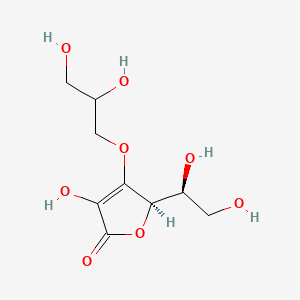
3-GLYCERYL ASCORBATE
active
View
3-LAURYLGLYCERYL ASCORBATE
active
View
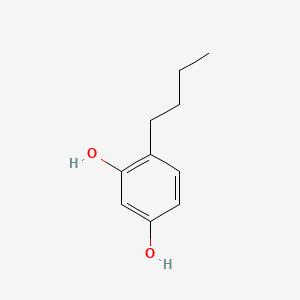
4-BUTYLRESORCINOL
4-BUTYLRESORCINOL
active
View
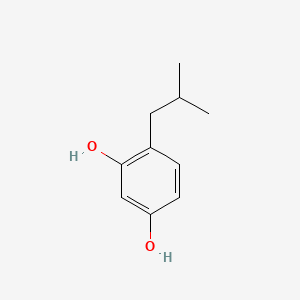
4-ISOBUTYLRESORCINOL
active
View
ABIES ALBA SEED EXTRACT
active
View
ABIES ALBA SEED OIL
ABIES ALBA SEED OIL
active
View
ACACIA CATECHU CATECHINS
active
View