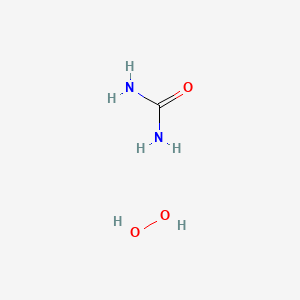
PEROXIDE AND PEROXIDE-GENERATING COMPOUNDS
CAS 124-43-6 · other
Health Canada restricted. Max concentration: c) 10%; d) 10% (as applied). Conditions: a) Not permitted for use in products intended for application to the genital area; b) Oral products containing peroxides or peroxide-generating compounds
Manufacturers should have the following information on hand as it may be requested by Health Canada:
A laboratory report providing pH of the product as applied to tooth or teeth. Section 13 of the Cosmetic Regulations requires that the pH is greater than or equal to 4.0
Product labelling indicating the directions of use and cautionary statements.
If an oral cosmetic contains more than 3% hydrogen peroxide (or equivalent), notifiers must submit a clinical study to demonstrate the salivary peroxide levels do not exceed 3% during the use of the product as per the directions of use.
Note: Be aware of the conversion factor between hydrogen peroxide and other peroxide-generating compounds. For example, 10% carbamide (urea) peroxide is approximately equivalent to 3% hydrogen peroxide; c) Products for use on eyelashes or eyebrows must be sold for professional use only; d) Hair products; e) Other cosmetics
PEROXIDE AND PEROXIDE-GENERATING COMPOUNDS is an other ingredient used in skincare formulations.
Quick facts
Description: PEROXIDE AND PEROXIDE-GENERATING COMPOUNDS — Health Canada restricted. Max concentration: c) 10%; d) 10% (as applied). Conditions: a) Not permitted for use in products intended for application to the genital area; b) Oral products containing peroxides or peroxide-generating compounds
Manufacturers should have the following information on hand as it may be requested by Health Canada:
A laboratory report providing pH of the product as applied to tooth or teeth. Section 13 of the Cosmetic Regulations requires that the pH is greater than or equal to 4.0
Product labelling indicating the directions of use and cautionary statements.
If an oral cosmetic contains more than 3% hydrogen peroxide (or equivalent), notifiers must submit a clinical study to demonstrate the salivary peroxide levels do not exceed 3% during the use of the product as per the directions of use.
Note: Be aware of the conversion factor between hydrogen peroxide and other peroxide-generating compounds. For example, 10% carbamide (urea) peroxide is approximately equivalent to 3% hydrogen peroxide; c) Products for use on eyelashes or eyebrows must be sold for professional use only; d) Hair products; e) Other cosmetics.
Quick Facts:
- Category: other
Chemical Overview
Urea hydrogen peroxide appears as a solid or paste-like semisolid. Used to make plastics. Urea hydrogen peroxide is a mixture obtained by combining equimolar amounts of hydrogen peroxide and urea. It has a role as a reagent, a disinfectant and an oxidising agent. It contains a urea and a hydrogen peroxide. Carbamide peroxide, also known as urea-hydrogen peroxide, is a water-soluble, white crystalline solid compound consisting of hydrogen peroxide and urea. As it is a source of hydrogen peroxide, it can be found in disinfecting and dental bleaching products. Some adverse effects of carbamide peroxide as a dental bleaching agent include dentin sensitivity and/or gingival irritation led by unstable and reactive H+ free radicals and low pH from prolonged use. It may also alter enamel surface morphology via enamel mineral loss and surface roughening. The FDA considers carbamide peroxide to be safe in oral mucosal injury drug products as an oral wound healing agent, although there is insufficient data to establish general recognition of the effectiveness of this ingredient as an oral wound healing agent. It is available in OTC otic drugs as non-water, non-oil-based solutions used to soften, loosen and remove excessive ear wax, or cerumen.
Source(s): CAMEO Chemicals, DrugBank, ChEBI, via PubChem
Comedogenicity
Similar Ingredients

📰 More News
-
The CCL20-CCR6 axis predominantly drives IL-17-mediated psoriasis while modestly contributing to papain-induced type 2 inflammation
PubMed · Jul 11, 2026
-
SkinCeuticals Just Reformulated Its C E Ferulic Serum
Allure · Jul 20, 2026
-
Are Sunscreen Oils Just Tanning Oils in Disguise? Experts Weigh In
Allure · Jul 20, 2026
-
Update to RIFM fragrance ingredient safety assessment, propenylguaethol, CAS Registry Number 94-86-0
PubMed · Jul 20, 2026
-
Earth Harbor Obscura Night Repair Concentrate Review
Allure · Jul 21, 2026
-
Okay, We’ll Bite: Fruity Perfumes Are Cool
Allure · Jul 21, 2026