Description: PHYTIC ACID — mild chelating exfoliant, antioxidant, brightening.
All Functions: mild chelating exfoliant, antioxidant, brightening
Quick Facts:
- Category: active
Proven Benefits At A Glance:
- Phytic acid is a naturally occurring compound found in high-fiber foods like legumes, wheat bran, and soy
- In research, topical phytic acid improved skin barrier function in atopic dermatitis models
- Animal studies suggest phytic acid may have antioxidant properties and anti-cancer potential, but no human cancer studies exist yet
- In a small human study, phytic acid combined with other acids improved skin hydration, erythema, and hyperpigmentation
Safety tier is a starting heuristic from regulatory status and comedogenic rating, not a dermatological verdict — see our Terms for the full disclaimer. Research confidence reflects how many real cited studies back this ingredient, not the strength of their findings.
🧪 PHYTIC ACID
PHYTIC ACID
CAS Number: 83-86-3
Also Known As: —
Category: active
EC Number: 201-506-6
Korean Name: 파이틱애씨드
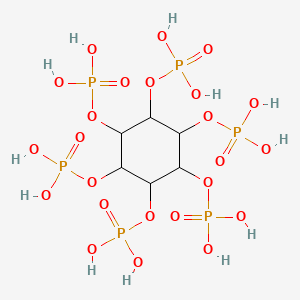
cis-1,2,3,5-trans-4,6-Cyclohexanehexol, 1,2,3,4,5,6-hexakis(dihydrogen phosphate)
PHYTIC ACID is an active ingredient used in skincare formulations.
🌍 Regulatory Status
📊 Comedogenicity
📚 Research & Evidence
🔬 The Science
Phytic acid (also called IP6) is a naturally occurring organic acid found in plant-based foods. Here’s what the current research shows:
#1: Skin barrier and microbiota effects — In mouse models of atopic dermatitis, both dietary and topical phytic acid improved barrier function (measured by TEWL, a standard test for moisture loss). Topically applied phytic acid reshaped the skin microbiota, increasing bacteria that produce tryptophan metabolites, particularly indole-3-propionic acid (IPA). This metabolite activated a cellular pathway (AHR signaling) that promoted production of a structural skin protein (KRT10), which reduced dermatitis symptoms (Allergy, 2025). This is mechanistic mouse research; human studies haven’t been done on this specific pathway.
#2: Antioxidant potential — Phytic acid is frequently used in cosmetic formulations for its believed antioxidant and free-radical-fighting properties (J Cosmet Dermatol, 2022). In a small human study of 20 participants, phytic acid was applied topically in combination with azelaic acid and vitamin C over 8 weeks. The combination significantly improved erythema (redness), hyperpigmentation, skin moisture, firmness, and elasticity; 100% of participants reported satisfaction (J Cosmet Dermatol, 2022). However, this study used phytic acid as part of a multi-ingredient treatment, so its individual contribution cannot be isolated. #3: Cancer research — Animal studies from 1966–2002 showed phytic acid had anti-cancer activity in multiple cancer types including breast, colon, liver, and skin cancer (Complement Ther Med, 2002).
However, no human clinical trials have been completed; researchers noted enough animal evidence to justify Phase I and II human trials. A potential concern: the sodium salt form of phytic acid increased bladder and kidney papillomas in animal studies, though potassium and magnesium salt forms did not (Complement Ther Med, 2002). #4: Material science applications — Phytic acid has been incorporated into experimental hydrogels for wound healing and medical adhesive applications, showing antibacterial activity and supporting wound healing in animal burn models (Soft Matter, 2022; Int J Biol Macromol, 2024). These are not consumer skincare products but laboratory investigations. Limitations: Most mechanistic research exists in animal models.
Human skincare studies are limited to one small trial using phytic acid in combination with other actives. Long-term safety and efficacy data in humans are sparse.
💧 Skin Type Compatibility
⚠️ Don’t Combine With
🧴 Products Containing PHYTIC ACID
- Beiersdorf Nivea Ansiktsmaske Urban Skin Radience 1stk
- Logona Naturkosmetik Anti-Schuppenshampoo
- Logona Shampoing Logona BIO Aloe + Verveine Daily Care
- Logona Shampooing soin brillance
- CMD Naturkosmetik Teebaumöl – Classik Hand Creme
- Seba Med Seifenfreies Waschstück
- Jonzac Jonzac Rehydrate Light Moisturizing Cream Bio 50ML (sensitive Skin)
- Léa Nature So’bio Étic Baume Respiratoire Bio Spécial Enfant
- Léa Nature Sérum hydratant apaisant
- lea nature bb creme peau parfaite
- Lea Nature Precieux argan anti-wrinkle care
- Lea Nature Concentré coco nourrissant
- Lutsine E45 Lutsine Eryplast Pate à L’eau Soin Des Fesses 75G
- Auchan Crème pour les mains
- Aroma-zone Aroma-zone crème lavante neutre
- Locion Corporal NANOS
- Deliplus Regen skin Deliplus
- LOOPS Dark Spot Mask
- Unilever, Timotei Timotei Bio Après-Shampooing Femme Éclat Cheveux colorés Grenade & Karité 250ml
- Aroma zone Gel douche sorbet de verveine
📄 Related Research
Matched by search — not necessarily verified support for every statement above.
- Wang P et al. (2025). Phytic Acid Improves the Skin Barrier Function in Murine Models of Atopic Dermatitis Through Skin Microbiota-Derived Indole-3-Propionic Acid. Allergy.
- Shao XH et al. (2022). Antibacterial, wearable, transparent tannic acid-thioctic acid-phytic acid hydrogel for adhesive bandages. Soft Matter.
- Fox CH et al. (2002). Phytic acid (IP6), novel broad spectrum anti-neoplastic agent: a systematic review. Complement Ther Med.
- Zhang Q et al. (2024). Aminated lignin and phytic acid-assisted polyacrylic acid hydrogel sensors with enhanced mechanical properties and strong adhesion. Int J Biol Macromol.
- Markiewicz-Tomczyk A et al. (2022). Clinical evaluation of anti-aging effects of combined therapy-Azelaic acid, phytic acid, and vitamin C applied layer by layer in females with Fitzpatrick skin types II and III. J Cosmet Dermatol.
Similar Ingredients


📰 More News
-
The CCL20-CCR6 axis predominantly drives IL-17-mediated psoriasis while modestly contributing to papain-induced type 2 inflammation
PubMed · 23 days ago
-
SkinCeuticals Just Reformulated Its C E Ferulic Serum
Allure · 14 days ago
-
Are Sunscreen Oils Just Tanning Oils in Disguise? Experts Weigh In
Allure · 14 days ago
-
Update to RIFM fragrance ingredient safety assessment, propenylguaethol, CAS Registry Number 94-86-0
PubMed · 14 days ago
-
Earth Harbor Obscura Night Repair Concentrate Review
Allure · 13 days ago
-
Okay, We’ll Bite: Fruity Perfumes Are Cool
Allure · 13 days ago