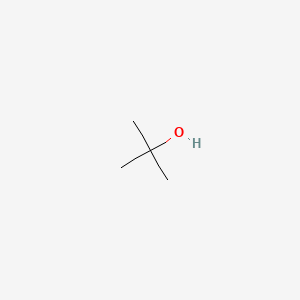
Description: PROPYLENE — PROPYLENE. Formula: C3H6. MW: 42.08. IUPAC: prop-1-ene.
Quick Facts:
- Category: other
- Also Known As: Propylene
Proven Benefits At A Glance:
- Propylene glycol is a widely used ingredient in cosmetics, medications, and personal care products as a solvent and emollient
- It can cause both irritant and allergic contact dermatitis in some people
- Propylene glycol was named Allergen of the Year in 2018 by the American Contact Dermatitis Society
- It is considered a weak allergen, and allergic reactions are uncommon in people without pre-existing skin conditions
- At very high doses or with prolonged use, propylene glycol can cause systemic toxicity, though this is rare in typical skincare use
Safety tier is a starting heuristic from regulatory status and comedogenic rating, not a dermatological verdict — see our Terms for the full disclaimer. Research confidence reflects how many real cited studies back this ingredient, not the strength of their findings.
🧪 PROPYLENE
PROPYLENE
CAS Number: 115-07-1
Also Known As: Propylene
Category: other
PROPYLENE. Formula: C3H6. MW: 42.08. IUPAC: prop-1-ene
PROPYLENE is an other ingredient used in skincare formulations.
🌍 Regulatory Status
📊 Comedogenicity
📚 Research & Evidence
🔬 The Science
Propylene glycol (PG) is a small-molecule solvent that serves multiple functions in skincare and pharmaceutical formulations—it dissolves active ingredients, helps products absorb into skin, and maintains moisture. Despite its widespread use, PG has a complicated safety profile. #1: Contact dermatitis risk — Propylene glycol can trigger two different skin reactions (Dermatitis, 2018; J Am Acad Dermatol, 1991). Some people experience irritant contact dermatitis, which is a direct inflammatory response to the ingredient itself. Others develop allergic contact dermatitis, where the immune system reacts to PG as a foreign substance. The distinction matters because PG acts as both a weak sensitizer and an irritant, which can make patch testing results confusing for dermatologists trying to diagnose sensitivity (Dermatitis, 2018).
#2: Allergen status and prevalence — While PG has the potential to be a weak allergen, allergic reactions to it are relatively uncommon in people without underlying skin conditions (Regul Toxicol Pharmacol, 2023). Interestingly, this creates a scientific puzzle: propylene glycol fails to trigger sensitization in standard laboratory tests (guinea pig models, mouse models, and validated in vitro tests) yet does cause allergic contact dermatitis in some real-world human cases (Regul Toxicol Pharmacol, 2023). The ingredient is not classified as hazardous under global chemical classification systems, yet awareness of PG sensitization has grown enough that the American Contact Dermatitis Society highlighted it as their 2018 Allergen of the Year (Dermatitis, 2018).
#3: Systemic toxicity at high doses — In typical skincare concentrations, propylene glycol is considered safe for most people. However, when used in very high doses or over prolonged periods, PG can accumulate in the body and cause systemic toxicity (J Pediatr Pharmacol Ther, 2014). Documented adverse effects include central nervous system effects, cardiac arrhythmia, seizures, and lactic acidosis. Certain populations are at higher risk: infants, people with kidney or liver problems, those with epilepsy, and burn patients receiving extensive dermal applications of PG-containing products (J Pediatr Pharmacol Ther, 2014). This risk is relevant mainly to medical and pharmaceutical uses rather than cosmetic skincare.
💧 Skin Type Compatibility
⚠️ Don’t Combine With
🧴 Products Containing PROPYLENE
- Schaebens Feuchtigkeits Maske
- Schaebens Totes Meer Wasch-Gel
- Old Spice Swagger
- Nivea cool kick
- Curasept Curasept colluttorio
- Nivea NIVEA Verfrissende Reinigingsgel
- Nivea stress protect
- Nivea, Nivea Men Power Shampoo Anti-pelliculaire
- Nivea Nivea anti-transpirant Invisible for black & White 48h Original
- Nivea Perles de Q10 sérum concentré
- zie
- Nivea Hairmilk 7 Plus
- Nivea Pure Skin Cleansing Gel
- Nivea Nivea Men Fresh Active
- Nivea, Nivea Men Black & White Invisible Anti-Transpirant
- Palmers
- Brynild AS Labello Peach Shine 1 stk
- nivea hand cream 3 in 1 repaircare
- Nivea NIVEA Derma Skin Clear Reinigingsgel
- Nivea Sun protect & moisture SPF 50+
📄 Related Research
Matched by search — not necessarily verified support for every statement above.
- Jacob SE et al. (2018). Propylene Glycol. Dermatitis.
- Lim TY et al. (2014). Propylene glycol toxicity in children. J Pediatr Pharmacol Ther.
- Goldsmith LA (1978). Propylene glycol. Int J Dermatol.
- Pemberton MA et al. (2023). Propylene glycol, skin sensitisation and allergic contact dermatitis: A scientific and regulatory conundrum. Regul Toxicol Pharmacol.
- Catanzaro JM et al. (1991). Propylene glycol dermatitis. J Am Acad Dermatol.
Similar Ingredients
📰 More News
-
The CCL20-CCR6 axis predominantly drives IL-17-mediated psoriasis while modestly contributing to papain-induced type 2 inflammation
PubMed · 23 days ago
-
SkinCeuticals Just Reformulated Its C E Ferulic Serum
Allure · 14 days ago
-
Are Sunscreen Oils Just Tanning Oils in Disguise? Experts Weigh In
Allure · 14 days ago
-
Update to RIFM fragrance ingredient safety assessment, propenylguaethol, CAS Registry Number 94-86-0
PubMed · 14 days ago
-
Earth Harbor Obscura Night Repair Concentrate Review
Allure · 13 days ago
-
Okay, We’ll Bite: Fruity Perfumes Are Cool
Allure · 13 days ago