Description: ROSEHIP OIL — EMOLLIENT, SKIN CONDITIONING.
All Functions: EMOLLIENT, SKIN CONDITIONING
Quick Facts:
- Category: emollient
- Also Known As: ROSA CANINA FRUIT OIL, ROSA MOSQUETA OIL
- Comedogenic Rating: 1/5
Proven Benefits At A Glance:
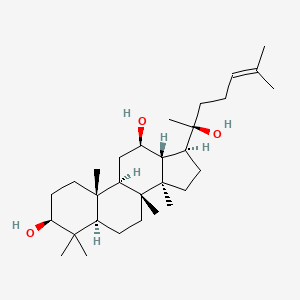
- Rosehip oil contains various chemical compounds identified through scientific analysis
- Research suggests it may help with wound healing and scar appearance
- Studies indicate potential anti-inflammatory properties
- It has been studied for oral ulcer healing and skin condition support
- One study examined it as part of a multi-ingredient formula for skin fold irritation
Safety tier is a starting heuristic from regulatory status and comedogenic rating, not a dermatological verdict — see our Terms for the full disclaimer. Research confidence reflects how many real cited studies back this ingredient, not the strength of their findings.
🧪 ROSEHIP OIL
ROSEHIP OIL
CAS Number: 84696-47-9
Also Known As: ROSA CANINA FRUIT OIL, ROSA MOSQUETA OIL
Category: emollient
Rose hip seed oil. Rich in vitamin A and essential fatty acids
ROSEHIP OIL is an emollient ingredient used in skincare formulations.
🌍 Regulatory Status
📊 Comedogenicity
1/5
📚 Research & Evidence
🔬 The Science
Rosehip oil has been the subject of several scientific investigations exploring its potential skin benefits, though the research is still limited and focused on specific applications. #1: Wound healing and scar improvement — A 2019 study in Planta Medicina examined rosehip oil’s effects on excisional wounds in an animal model. Researchers found that the oil significantly promoted wound healing and improved the appearance of scars. The mechanism may involve accelerating the transition of immune cells called macrophages from an inflammatory state (M1) to a repair-promoting state (M2), and by reducing epithelial-mesenchymal transition, a process associated with excess scarring (Planta Med, 2019).
#2: Oral ulcer healing — A 2025 study in Oral Health & Preventive Dentistry tested a rosehip oil emulsion on chemically-induced ulcers in rat oral tissue. The emulsion stimulated the proliferation of human gingival fibroblasts (cells involved in tissue repair) when tested at 20 mg/mL. In the animal model, topical application three times daily for 10 days reduced inflammatory cells and promoted collagen formation and remodeling by days 3 and 7, with increased epithelial thickness (Oral Health Prev Dent, 2025). #3: Antioxidant potential — A 2023 study in Pharmaceutics incorporated rosehip oil into nanoformulations designed for skin penetration. The rosehip oil component showed antioxidant activity comparable to ascorbic acid (vitamin C) in laboratory testing, with no signs of cell toxicity at the concentrations tested (Pharmaceutics, 2023).
#4: Skin fold irritation — A 2022 double-blinded study in the Journal of Cosmetic Dermatology evaluated an adsorbent lotion containing rosehip oil alongside several other ingredients (tapioca starch, plant waxes, and botanical extracts) for treating intertrigo, an inflammatory skin-fold condition. The multi-ingredient lotion showed significantly greater reduction in itching compared to 1% hydrocortisone cream, with equivalent anti-inflammatory efficacy overall and no adverse effects reported (J Cosmet Dermatol, 2022). Note: This study cannot isolate rosehip oil’s individual contribution since it was combined with multiple active ingredients. Important limitations: The sources provided focus on specific applications and use rosehip oil in varied formulations (pure oil, emulsions, nanocarriers, and multi-ingredient products).
Most studies are conducted in animal models or laboratory settings rather than large-scale human trials. One source (Pest Manag Sci, 2022) examined rosehip oil’s agricultural insecticide properties and is not relevant to skincare.
💧 Skin Type Compatibility
Derived from this ingredient’s irritancy potential and comedogenicity rating against the needs of each skin type — e.g. oily and acne-prone skin are marked down for pore-clogging ingredients, sensitive skin for irritants. A starting heuristic, not a dermatological verdict.
⚠️ Don’t Combine With
🧴 Products Containing ROSEHIP OIL
- Deluvia Miracle, aloe cream
- Urban Hydration Olive & Rosehip Face Cleansing Oil
- Loelle Rosehip oil
📄 Related Research
Matched by search — not necessarily verified support for every statement above.
- Lei Z et al. (2019). Rosehip Oil Promotes Excisional Wound Healing by Accelerating the Phenotypic Transition of Macrophages. Planta Med.
- Dewedar OAM et al. (2025). The Efficacy of Rosehip Oil Emulsion as a Pro-Healing Herbal Medicine for the Treatment of Induced Mucosal Ulcer (Cell Culture and Experimental Study). Oral Health Prev Dent.
- Zilles JC et al. (2023). Nanoemulsion Containing Kojic Dipalmitate and Rosehip Oil: A Promising Formulation to Treat Melasma. Pharmaceutics.
- Leeyaphan C et al. (2022). A randomized controlled trial to compare the effectiveness and safety of adsorbent lotion containing tapioca starch, spent grain wax, Butyrospermum parkii extract, argania spinosa kernel oil, aloe barbadensis, rosehip oil, and allantoin with a low-potency topical corticosteroid in the treatment of intertrigo. J Cosmet Dermatol.
- Zhou Y et al. (2022). The synergistic effects of rosehip oil and matrine against Icerya aegyptiaca (Douglas) (Hemiptera: Coccoidea) and the underlying mechanisms. Pest Manag Sci.
Similar Ingredients


📰 More News
-
The CCL20-CCR6 axis predominantly drives IL-17-mediated psoriasis while modestly contributing to papain-induced type 2 inflammation
PubMed · 23 days ago
-
SkinCeuticals Just Reformulated Its C E Ferulic Serum
Allure · 14 days ago
-
Are Sunscreen Oils Just Tanning Oils in Disguise? Experts Weigh In
Allure · 14 days ago
-
Update to RIFM fragrance ingredient safety assessment, propenylguaethol, CAS Registry Number 94-86-0
PubMed · 14 days ago
-
Earth Harbor Obscura Night Repair Concentrate Review
Allure · 13 days ago
-
Okay, We’ll Bite: Fruity Perfumes Are Cool
Allure · 13 days ago