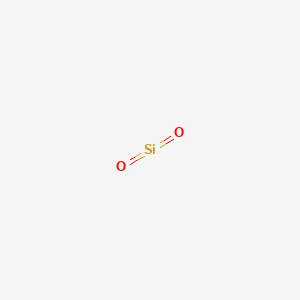
SILICA DUST, CRYSTALLINE, IN THE FORM OF QUARTZ OR CRISTOBALITE
CAS 14808-60-7 · also known as Silica dust, crystalline, in the form of quartz or cristobalite · other
SILICA DUST, CRYSTALLINE, IN THE FORM OF QUARTZ OR CRISTOBALITE is an other ingredient used in skincare formulations.
Quick facts
Quick Facts:
- Category: other
- Also Known As: Silica dust, crystalline, in the form of quartz or cristobalite
Chemical Overview
Silica is another name for the chemical compound composed of silicon and oxygen with the chemical formula SiO2, or silicon dioxide. There are many forms of silica. All silica forms are identical in chemical composition, but have different atom arrangements. Silica compounds can be divided into two groups, crystalline (or c-silica) and amorphous silica (a-silica or non-crystalline silica). c-Silica compounds have structures with repeating patterns of silicon and oxygen. a-Silica chemical structures are more randomly linked when compared to c-silica. All forms of silica are odorless solids composed of silicon and oxygen atoms. Silica particles become suspended in air and form non-explosive dusts. Silica may combine with other metallic elements and oxides to form silicates. Transparent to gray, odorless powder. Irritating to the skin and eyes on contact. Inhalation will cause irritation in the respiratory tract. [Note: Amorphous silica is the non-crystalline form of SiO2.] Silicon dioxide is a silicon oxide made up of linear triatomic molecules in which a silicon atom is covalently bonded to two oxygens.
Source(s): Agency for Toxic Substances and Disease Registry (ATSDR), ChEBI, CAMEO Chemicals, via PubChem
Comedogenicity
Similar Ingredients

📰 More News
-
The CCL20-CCR6 axis predominantly drives IL-17-mediated psoriasis while modestly contributing to papain-induced type 2 inflammation
PubMed · Jul 11, 2026
-
SkinCeuticals Just Reformulated Its C E Ferulic Serum
Allure · Jul 20, 2026
-
Are Sunscreen Oils Just Tanning Oils in Disguise? Experts Weigh In
Allure · Jul 20, 2026
-
Update to RIFM fragrance ingredient safety assessment, propenylguaethol, CAS Registry Number 94-86-0
PubMed · Jul 20, 2026
-
Earth Harbor Obscura Night Repair Concentrate Review
Allure · Jul 21, 2026
-
Okay, We’ll Bite: Fruity Perfumes Are Cool
Allure · Jul 21, 2026