Mia Seilern
⚠️ Data is provided for informational purposes only. It may contain inaccuracies and should be independently verified. This is not medical advice. Consult a healthcare professional before making health decisions.

Quick Facts:

  • Category: other
  • Also Known As: Silicone

Proven Benefits At A Glance:

  • Silicones have been used in medicines and cosmetics for over 60 years and are considered safe
  • About 60% of today’s skincare products contain some type of silicone
  • They create a silky, non-greasy, non-staining feel on skin
  • Silicones are not biodegradable and can accumulate in the environment
  • They’re made from sand but are synthetic compounds
Safety: Generally Low ConcernResearch confidence: None

Safety tier is a starting heuristic from regulatory status and comedogenic rating, not a dermatological verdict — see our Terms for the full disclaimer. Research confidence reflects how many real cited studies back this ingredient, not the strength of their findings.

🧪 SILICONES

SILICONES

CAS Number:

Also Known As: Silicone

Category: other

SILICONES is an other ingredient used in skincare formulations.

🌍 Regulatory Status

EU: No restriction on fileUS: No restriction on file

📊 Comedogenicity

No data yet
Not rated for this ingredient yet.

📚 Research & Evidence

PUBMED CITATIONS
5
Data sources: EU CosIng PubMed

🔬 The Science

Silicones are a family of hybrid inorganic-organic polymers—think of them as long chains of repeating chemical units. The most common type used in skincare is polydimethylsiloxane (Materials (Basel), 2025). Here’s what the research actually shows about how they work and what concerns exist:

#1: Feel and texture. Silicones provide what researchers call “undeniable textural and sensory benefits” (Int J Pharm, 2022). Specifically, they deliver a “silky-touch, non-greasy, and non-staining feel” (Int J Pharm Compd, 2015). This comes from their low surface tension and low-chemical reactivity (Int J Pharm Compd, 2015). #2: Safety track record. Silicones are considered safe in skincare products, which is supported by their biocompatibility and widespread use—about 60% of skincare products now contain silicones (Int J Pharm Compd, 2015).

Their safety is partly due to low-chemical reactivity, low surface energy, and hydrophobicity (Int J Pharm Compd, 2015). They’ve been used in life-saving medical devices like pacemakers and shunts for decades (Int J Pharm Compd, 2015). #3: How they function in formulations. Beyond feel, silicones can “play important functions in the physicochemical properties, stability and biopharmaceutical behavior” of topical formulations (Int J Pharm, 2022). Silicones work as both active ingredients and excipients (inactive ingredients that help formulations work) (Int J Pharm Compd, 2015). #4: Environmental and biodegradability concerns. This is where the sources raise caution. Silicones are synthetic compounds derived from sand but “are not biodegradable” (Int J Pharm, 2022).

They “flow into our wastewater and oceans, accumulating in the fauna and flora,” which raises environmental concerns (Int J Pharm, 2022). The research notes these are real concerns that “obviously raise many concerns in the common imagination” (Int J Pharm, 2022). #5: Potential buildup issues. In hair care specifically, water-insoluble silicones can accumulate on the hair shaft and may require stronger surfactants (cleansing agents) for removal, potentially causing dryness (Skin Appendage Disord, 2025). Newer formulations called fourth-generation silicones and water-dispersible systems aim to address this (Skin Appendage Disord, 2025). #6: Toxicity questions remain open. While the sources confirm silicones have good safety records in medical use, one review explicitly states that questions about “long term toxic effects” and environmental risks “raise many concerns” and need further exploration (Int J Pharm, 2022).

The research doesn’t provide definitive answers to these longer-term questions—it identifies them as areas requiring more study.

💧 Skin Type Compatibility

No data yet
Per-skin-type data isn’t curated for this ingredient yet.

⚠️ Don’t Combine With

No data yet
No known incompatibilities on file for this ingredient.

🧴 Products Containing SILICONES

📄 Related Research

Matched by search — not necessarily verified support for every statement above.

Similar Ingredients

<I>ALOE VERA</I>, WHOLE LEAF EXTRACT
other
View
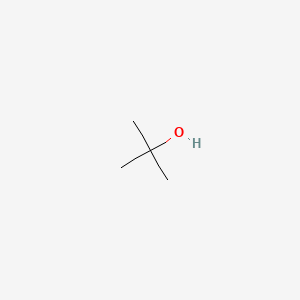
<I>TERT</I>-BUTYL ALCOHOL
other
View
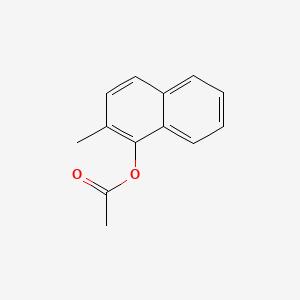
1-ACETOXY-2-METHYLNAPHTHALENE
other
View
1-HYDROXYETHYL 4,5-DIAMINO PYRAZOLE SULFATE
other
View
1-NAPHTHOL
1-NAPHTHOL
other
View
1,10-DECANEDIOL
1,10-DECANEDIOL
other
View
1,2-HEXANEDIYL DICAPRATE
other
View
1,4-BUTANEDIOL
1,4-BUTANEDIOL
other
View