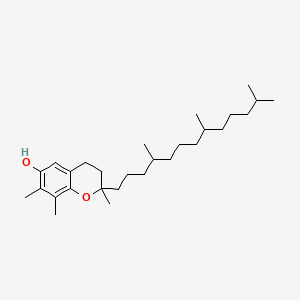
TOCOPHEROL
CAS 54-28-4 (gamma)/ 16698-35-4(beta) / 10191-41-0(DL) / 119-13-1 / 1406-18-4 / 1406-66-2 / 2074-53-5 (DL) / 59-02-9 (D)/7616-22-0 · also known as vitamina e, vitamine e · active · EC 200-201-5 / 240-747-1 / 233-466-0 / 204-299-0 /215-798-8 / – / 218-197-9 / 200-412-2 / – · KR 토코페롤
3,4-Dihydro-2,5,7,8-tetramethyl-2-(4,8,12-trimethyltridecyl)-2H-benzopyran-6-ol; .alpha.-tocopherol; Vitamin E
TOCOPHEROL is an active ingredient used in skincare formulations.
Quick facts
Description: TOCOPHEROL — antioxidant, skin conditioning (Vitamin E).
All Functions: antioxidant, skin conditioning (Vitamin E)
Quick Facts:
- Category: active
- Also Known As: vitamina e, vitamine e
Proven Benefits At A Glance:
- Tocopherol is a form of vitamin E that works as an antioxidant in skincare
- Research shows it may help reduce redness and swelling from sunburn when applied after UV exposure
- It appears to have moisturizing properties due to its oil-based nature
- Most studies are limited in scope; stronger evidence exists for some uses than others
Chemical Overview
Tocopherol exists in four different forms designated as α, β, δ, and γ. They present strong antioxidant activities, and it is determined as the major form of vitamin E. Tocopherol, as a group, is composed of soluble phenolic compounds that consist of a chromanol ring and a 16-carbon phytyl chain. The classification of the tocopherol molecules is designated depending on the number and position of the methyl substituent in the chromanol ring. The different types of tocopherol can be presented trimethylated, dimethylated or methylated in the positions 5-, 7- and 8-. When the carbons at position 5- and 7- are not methylated, they can function as electrophilic centers that can trap reactive oxygen and nitrogen species. Tocopherols can be found in the diet as part of vegetable oil such as corn, soybean, sesame, and cottonseed. It is currently under the list of substances generally recognized as safe (GRAS) in the FDA for the use of human consumption. DL-γ-tocopherol has been reported in Walsura yunnanensis, Punica granatum, and other organisms with data available. Tocopherol is a class of vitamin E compounds naturally found in many different sources, such as oils, nuts, and vegetables. Tocopherols have antioxidant activity.
Source(s): LOTUS – the natural products occurrence database, NCI Thesaurus (NCIt), DrugBank, via PubChem
Comedogenicity
Similar Ingredients

📰 More News
-
The CCL20-CCR6 axis predominantly drives IL-17-mediated psoriasis while modestly contributing to papain-induced type 2 inflammation
PubMed · Jul 11, 2026
-
SkinCeuticals Just Reformulated Its C E Ferulic Serum
Allure · Jul 20, 2026
-
Are Sunscreen Oils Just Tanning Oils in Disguise? Experts Weigh In
Allure · Jul 20, 2026
-
Update to RIFM fragrance ingredient safety assessment, propenylguaethol, CAS Registry Number 94-86-0
PubMed · Jul 20, 2026
-
Earth Harbor Obscura Night Repair Concentrate Review
Allure · Jul 21, 2026
-
Okay, We’ll Bite: Fruity Perfumes Are Cool
Allure · Jul 21, 2026