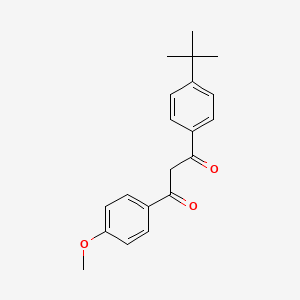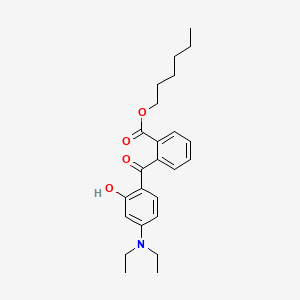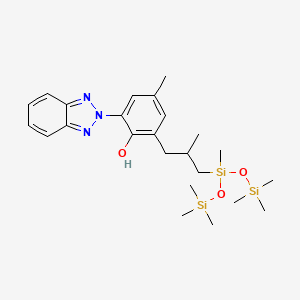
Description: Zinc Oxide — mineral UV filter.
All Functions: mineral UV filter
Quick Facts:
- Category: sunscreen
- Also Known As: óxido de zinco, óxido de zinc
- Comedogenic Rating: 0/5
Proven Benefits At A Glance:
- Zinc oxide is an inorganic UV filter that blocks both UVA and UVB rays
- It’s used as nanoparticles (smaller than 100 nanometers) in sunscreen to reduce visible white cast
- Human health risks from zinc oxide sunscreen are extremely low because it doesn’t absorb through skin
- Spray sunscreens containing zinc oxide nanoparticles carry potential inhalation risks
- Current evidence suggests zinc oxide sunscreens are safe alternatives to organic UV filters
Safety tier is a starting heuristic from regulatory status and comedogenic rating, not a dermatological verdict — see our Terms for the full disclaimer. Research confidence reflects how many real cited studies back this ingredient, not the strength of their findings.
🧪 Zinc Oxide
Zinc Oxide
CAS Number: 1314-13-2
Also Known As: óxido de zinco, óxido de zinc
Category: sunscreen
EC Number: 215-222-5
Korean Name: 징크옥사이드
Zinc oxide (CI 77947)
Zinc Oxide is a sunscreen ingredient used in skincare formulations.
🌍 Regulatory Status
📊 Comedogenicity
0/5
📚 Research & Evidence
🔬 The Science
Zinc oxide (ZnO) works as a mineral UV filter, meaning it sits on top of your skin and reflects ultraviolet light rather than being absorbed into it. Unlike organic UV filters such as oxybenzone, which have raised environmental and health concerns, zinc oxide is inorganic—essentially a mineral compound (Photodermatol Photoimmunol Photomed, 2019). #1: Broad UV protection. Zinc oxide has what researchers call a “broad UVA-UVB absorption curve,” which means it blocks a wide range of both types of ultraviolet radiation. This is particularly valuable because UVA rays penetrate deeply and contribute to photoaging (wrinkles and sun damage), while UVB rays cause sunburn and skin cancer risk.
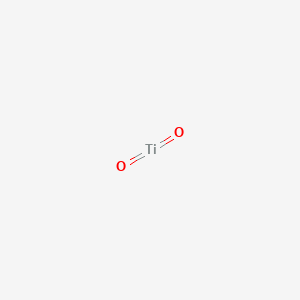
For comparison, titanium dioxide, another mineral filter, provides better UVB protection specifically but doesn’t cover UVA as comprehensively (Photodermatol Photoimmunol Photomed, 2019). #2: Cosmetic elegance through nanoparticle size. The “nano” versions used in modern sunscreens—particles smaller than 100 nanometers—are much less visible on skin after application, solving the problem of the chalky white cast that older zinc oxide formulations left behind. This smaller size makes the ingredient more cosmetically acceptable while maintaining its UV-blocking function (Photodermatol Photoimmunol Photomed, 2019). #3: Low systemic absorption. Zinc oxide does not significantly penetrate through the skin barrier (called percutaneous absorption), which means the human health risks from using it in topical sunscreen are “extremely low” according to current evidence (Photodermatol Photoimmunol Photomed, 2019).
This is a key safety advantage over some organic filters that do absorb into the body. However, one important caveat exists: spray sunscreens containing zinc oxide nanoparticles carry potential inhalation risks, which is why experts recommend against using spray formulations with these particles. Creams and lotions are the safer delivery method (Photodermatol Photoimmunol Photomed, 2019). The environmental safety profile is less settled. Current evidence suggests the known risk to the environment from zinc oxide is low, but researchers acknowledge this assessment may evolve as usage increases and environmental concentrations build up over time (Photodermatol Photoimmunol Photomed, 2019). One source notes that comprehensive risk assessment is still ongoing regarding how zinc oxide nanoparticles migrate and impact ecosystems (Compr Rev Food Sci Food Saf, 2024).
At the molecular level, zinc oxide is a semiconductor with interesting properties that can be fine-tuned by adjusting particle size and shape—which is why researchers continue studying it across applications from electronics to biomedicine (Chem Rev, 2023).
💧 Skin Type Compatibility
Derived from this ingredient’s irritancy potential and comedogenicity rating against the needs of each skin type — e.g. oily and acne-prone skin are marked down for pore-clogging ingredients, sensitive skin for irritants. A starting heuristic, not a dermatological verdict.
⚠️ Don’t Combine With
🧴 Products Containing Zinc Oxide
- DM alverde Deo Roll-on
- Always, Procter & Gamble Night Always sensitive
- CMD Naturkosmetik Teebaumöl – Classik Hand Creme
- Glynt Derma Shampoo
- Ben & Anna Ben & Anna Persian Lime Deodorantcrème in Blik
- Biosolis Lait solaire Baby & Kids SPF 50+
- Dr Reddy’s Dr Reddy’s Venusia Derm
- Colgate
- Laboratoires Biocos, Lovea Crème visage protectrice SPF 50 anti-rides au Monoï de Tahiti
- Talc
- Lutsine E45 Lutsine Eryplast Pate à L’eau Soin Des Fesses 75G
- La Saponaria Crema solare spf 50
- Skin Doctor Advance Sunblock. Face & Body cream
- Les Cosmetiques Mascarilla facial de arcilla booster plan
- natura bisse sunscreen
- Amapola Biocosmetics Protector solar. Protección corporal alta FPS 50
- cocunat natural shield spf 30
- Deliplus Crema solar
- bonté polvo desodorante para pies
- Unilever, Dove Dove Secrets de Soin Gel Douche Lavande
📄 Related Research
Matched by search — not necessarily verified support for every statement above.
- Schneider SL et al. (2019). A review of inorganic UV filters zinc oxide and titanium dioxide. Photodermatol Photoimmunol Photomed.
- Li A et al. (2025). Zinc oxide nanoparticles promote migrasomes formation. J Hazard Mater.
- Gökmen GG et al. (2024). Zinc oxide nanomaterials: Safeguarding food quality and sustainability. Compr Rev Food Sci Food Saf.
- Basuthakur P et al. (2020). Zinc oxide nanoparticles: future therapy for cerebral ischemia. Nanomedicine (Lond).
- van Embden J et al. (2023). Colloidal Approaches to Zinc Oxide Nanocrystals. Chem Rev.
Similar Ingredients


📰 More News
-
The CCL20-CCR6 axis predominantly drives IL-17-mediated psoriasis while modestly contributing to papain-induced type 2 inflammation
PubMed · 23 days ago
-
SkinCeuticals Just Reformulated Its C E Ferulic Serum
Allure · 14 days ago
-
Are Sunscreen Oils Just Tanning Oils in Disguise? Experts Weigh In
Allure · 14 days ago
-
Update to RIFM fragrance ingredient safety assessment, propenylguaethol, CAS Registry Number 94-86-0
PubMed · 14 days ago
-
Earth Harbor Obscura Night Repair Concentrate Review
Allure · 13 days ago
-
Okay, We’ll Bite: Fruity Perfumes Are Cool
Allure · 13 days ago