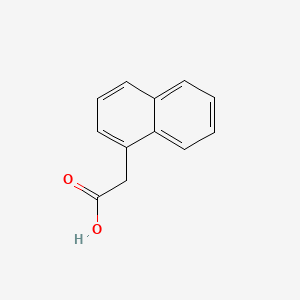
1-NAPHTHALENEACETIC ACID
CAS 86-87-3 · emollient · KR 1-나프탈렌아세틱애씨드
Generally Low Concern3 citations
1-Naphthaleneacetic Acid is the organic compound
1-NAPHTHALENEACETIC ACID is an emollient ingredient used in skincare formulations.
SKIN CONDITIONING
⚠️ Data is provided for informational purposes only. It may contain inaccuracies and should be independently verified. This is not medical advice. Consult a healthcare professional before making health decisions.
Quick facts
Description: 1-NAPHTHALENEACETIC ACID — SKIN CONDITIONING.
All Functions: SKIN CONDITIONING
Quick Facts:
- Category: emollient
Proven Benefits At A Glance:
- 1-Naphthaleneacetic acid (NAA) is a synthetic plant hormone used to promote growth in agriculture
- In laboratory cell cultures, NAA increased human cell yield up to 2-fold without speeding up cell division
- NAA appears to work by reducing cell death, not by making cells divide faster
- Research on NAA in strawberries shows it affects multiple metabolic pathways involved in growth and ripening
- Modified versions of NAA that release slowly under light showed less toxicity than free NAA in plant studies
Chemical Overview
1-naphthaleneacetic acid is a naphthylacetic acid substituted by a carboxymethyl group at position 1. It has a role as a synthetic auxin. It is a conjugate acid of a 1-naphthaleneacetate. a plant growth regulator; RN given refers to parent cpd
Source(s): ChEBI, Medical Subject Headings (MeSH), via PubChem
Comedogenicity
No data yet
Not rated for this ingredient yet.
Similar Ingredients
(20S)-PROTOPANAXADIOL
emollient

(ANGELICA ACUTILOBA/PAEONIA LACTIFLORA) ROOT/CNIDIUM OFFICINALE RHIZOME EXTRACT
emollient
(CINNAMOMUM CASSIA/MAGNOLIA OFFICINALIS) BARK/(ALPINIA OFFICINARUM/ANGELICA GIGAS) ROOT EXTRACT
active
(MORUS ALBA FRUIT/SUCROSE FERMENT FILTRATE) POLYGONUM MULTIFLORUM ROOT EXTRACT FERMENT FILTRATE
humectant
1-METHYLHYDANTOIN-2-IMIDE
emollient
1,2-BUTANEDIOL
humectant
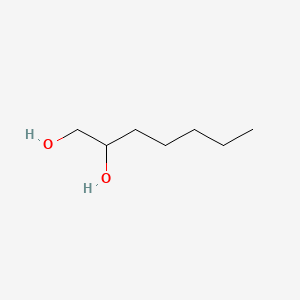
1,2-HEPTANEDIOL
emollient
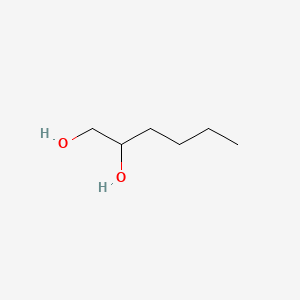
1,2-HEXANEDIOL
emollient
📰 More News
-
The CCL20-CCR6 axis predominantly drives IL-17-mediated psoriasis while modestly contributing to papain-induced type 2 inflammation
PubMed · Jul 11, 2026
-
SkinCeuticals Just Reformulated Its C E Ferulic Serum
Allure · Jul 20, 2026
-
Are Sunscreen Oils Just Tanning Oils in Disguise? Experts Weigh In
Allure · Jul 20, 2026
-
Update to RIFM fragrance ingredient safety assessment, propenylguaethol, CAS Registry Number 94-86-0
PubMed · Jul 20, 2026
-
Earth Harbor Obscura Night Repair Concentrate Review
Allure · Jul 21, 2026
-
Okay, We’ll Bite: Fruity Perfumes Are Cool
Allure · Jul 21, 2026