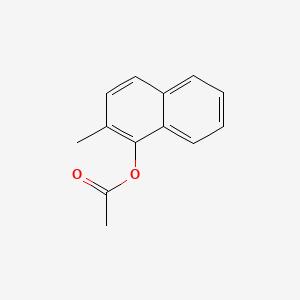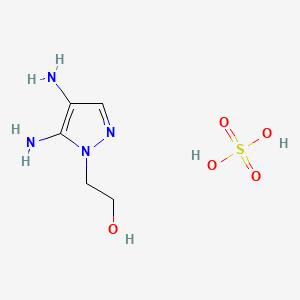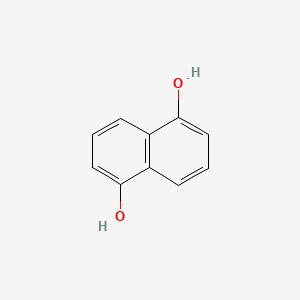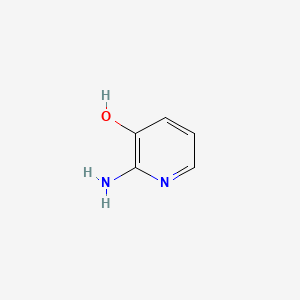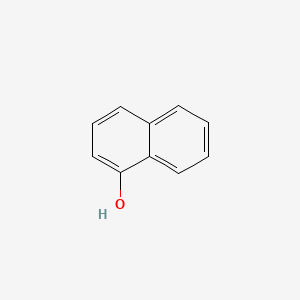
Description: 1-NAPHTHOL — HAIR DYEING.
All Functions: HAIR DYEING
Quick Facts:
- Category: other
- Regulatory Note: Restricted in the EU
Proven Benefits At A Glance:
- 1-Naphthol is a metabolite (breakdown product) of naphthalene and the pesticide carbaryl, measurable in human urine and blood
- A 1-naphthol derivative called DuP 654 showed promise in clinical trials as a topical anti-inflammatory treatment for psoriasis
- DuP 654 works by inhibiting 5-lipoxygenase, an enzyme involved in inflammatory skin conditions
- Research is limited; most studies focus on industrial exposure assessment or experimental derivatives, not skincare use
Safety tier is a starting heuristic from regulatory status and comedogenic rating, not a dermatological verdict — see our Terms for the full disclaimer. Research confidence reflects how many real cited studies back this ingredient, not the strength of their findings.
🧪 1-NAPHTHOL
1-NAPHTHOL
CAS Number: 90-15-3
Also Known As: —
Category: other
EC Number: 201-969-4
Korean Name: 1-나프톨
1-naphthol (CI 76605)
1-NAPHTHOL is an other ingredient used in skincare formulations.
🌍 Regulatory Status
EU conditions: To be printed on the label:
Hair colorants can cause severe allergic reactions.
📊 Comedogenicity
📚 Research & Evidence
🔬 The Science
1-Naphthol itself is primarily known in scientific literature as a biomarker—a measurable indicator of exposure to naphthalene or carbaryl pesticide. When people are exposed to these chemicals through inhalation, skin contact, or ingestion, their bodies convert them into 1-naphthol, which can be detected in urine and blood (Environ Health Perspect, 1997; Int Arch Occup Environ Health, 1995). The skincare-relevant research centers on DuP 654, a chemically modified 1-naphthol compound. #1: DuP 654 is a potent inhibitor of 5-lipoxygenase, an enzyme that produces inflammatory signaling molecules called leukotrienes in skin cells (Agents Actions, 1989). #2: In laboratory models of skin inflammation, DuP 654 reduced swelling (edema) triggered by inflammatory chemicals and showed effectiveness in a mouse model of contact sensitivity reactions (Agents Actions, 1989).
#3: DuP 654 also reduced the infiltration of white blood cells (polymorphonuclear leukocytes) into inflamed skin tissue (Agents Actions, 1989). The compound advanced to human phase II clinical trials as a potential psoriasis treatment (Res Commun Chem Pathol Pharmacol, 1992). However, significant limitations exist: DuP 654 cannot be used systemically (taken internally) because it is rapidly and extensively metabolized by the liver, meaning the body breaks it down too quickly for it to remain effective in the bloodstream (Res Commun Chem Pathol Pharmacol, 1992). Attempts to create modified versions that would survive metabolism and maintain anti-inflammatory activity were unsuccessful. No sources provide evidence that plain 1-naphthol itself (without chemical modification) has skincare benefits, nor do the sources discuss its use in cosmetic products.
The research is primarily industrial hygiene and pharmaceutical development literature, not consumer skincare science.
💧 Skin Type Compatibility
⚠️ Don’t Combine With
🧴 Products Containing 1-NAPHTHOL
- CONAXESS TRADE NORGE AS Live Urban Metallics U69 Amethyst Chrome
- Issue Coloración en Crema
- Clairol Nice ‘n Easy Root Touch-Up Permanent Hair Color, 4R Dark Auburn
- L’OREAL NORGE AS Olia Hårfarge Metallic Silver 9.11
- L’Oréal, L’Oreal Consumer products, Garnier Olia Coloration Permanente Midnight Noir Saphir
- Tintura negro azulado 919
- Llongueras Color Advance negro nº1
📄 Related Research
Matched by search — not necessarily verified support for every statement above.
- Heikkilä P et al. (1995). Urinary 1-naphthol and 1-pyrenol as indicators of exposure to coal tar products. Int Arch Occup Environ Health.
- Harris RR et al. (1989). Topical anti-inflammatory activity of DuP 654, a 2-substituted 1-naphthol. Agents Actions.
- Shealy DB et al. (1997). Correlation of environmental carbaryl measurements with serum and urinary 1-naphthol measurements in a farmer applicator and his family. Environ Health Perspect.
- Karunakaran C et al. (2010). Photocatalytic degradation of 1-naphthol by oxide ceramics with added bacterial disinfection. J Hazard Mater.
- Kerr JS et al. (1992). An evaluation of 2-benzyl-1-naphthol (DuP 654) analogs as systemic anti-inflammatory agents. Res Commun Chem Pathol Pharmacol.
Similar Ingredients
📰 More News
-
Bakuchiol: From structural mimicry to systems-level skin biology
PubMed · Jun 2, 2026
-
Rosacea Skincare Including Moisturizers, Serums & Prescribed Creams
The Derm Review · Jun 4, 2026
-
The impact of avobenzone and oxybenzone on fibroblast and keratinocyte membranes. Searching for the role of lipids in the effect of UV filters on skin cells
PubMed · Jun 5, 2026
-
The Best Firming Tightening Anti Aging Body Lotions. For loss of firmness, crepey skin and wrinkles.
The Derm Review · Jun 12, 2026
-
14 of the Best Eczema Creams to Soothe Compromised Skin
The Derm Review · Jun 13, 2026
-
How To Get Rid of Age Spots, Dark Spots & Liver Spots on Hands, Arms, Legs, Body, Face
The Derm Review · Jun 13, 2026