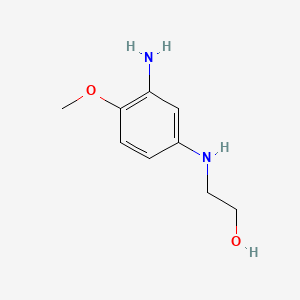
2-AMINO-4-HYDROXYETHYLAMINOANISOLE
⚠️ Data is provided for informational purposes only. It may contain inaccuracies and should be independently verified. This is not medical advice. Consult a healthcare professional before making health decisions.

Description: 2-AMINO-4-HYDROXYETHYLAMINOANISOLE — HAIR DYEING.

All Functions: HAIR DYEING

Quick Facts:

  • Category: other
  • Regulatory Note: Restricted in the EU

Proven Benefits At A Glance:

  • Used as a coupling agent in permanent hair dyes to help create color
  • Deemed safe for use in oxidative hair dye formulations by the Cosmetic Ingredient Review Expert Panel
  • A rare contact allergen — only 1.4% of patch-tested patients showed allergic reactions
  • Should not be used in products where N-nitroso compounds might form
Safety: CautionResearch confidence: Fair

Safety tier is a starting heuristic from regulatory status and comedogenic rating, not a dermatological verdict — see our Terms for the full disclaimer. Research confidence reflects how many real cited studies back this ingredient, not the strength of their findings.

🧪 2-AMINO-4-HYDROXYETHYLAMINOANISOLE

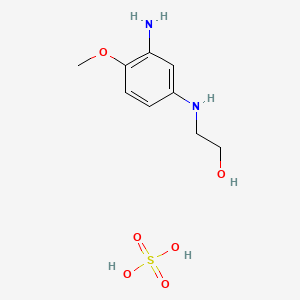
Chemical structure of 2-AMINO-4-HYDROXYETHYLAMINOANISOLE

2-AMINO-4-HYDROXYETHYLAMINOANISOLE

CAS Number: 83763-47-7

Also Known As:

Category: other

EC Number: 280-733-2

Korean Name: 2-아미노-4-하이드록시에틸아미노아니솔

2-[(3-amino-4-methoxyphenyl)amino]ethanol

2-AMINO-4-HYDROXYETHYLAMINOANISOLE is an other ingredient used in skincare formulations.

HAIR DYEING

🌍 Regulatory Status

EU: RestrictedUS: No restriction on file

EU conditions: (a) To be printed on the label: The mixing ratio. “ Hair colorants can cause severe allergic reactions. Read and follow instructions. This product is not intended for use on persons under the age of 16. Temporary ‘black henna’ tattoos may increase your risk of allergy. Do not colour your hair if: — you have a rash on your face or sensitive, irritated and damaged scalp, — you have ever experienced any reaction after colouring your hair, — you have experienced a reaction to a temporary ‘black henna’ tattoo in the past.”
(b) To be printed on the label: The mixing ratio.
“For professional use only. This product can cause severe allergic reactions. Read and follow instructions. This product is not intended for use on persons under the age of 16. Temporary ‘black henna’ tattoos may increase the risk of allergy. Eyelashes shall not be coloured if the consumer: — has a rash on the face or sensitive, irritated and damaged scalp, — has experienced any reaction after colouring hair or eyelashes, — has experienced a reaction to a temporary ‘black henna’ tattoo in the past. Rinse eyes immediately if product comes into contact with them.” ’

📊 Comedogenicity

No data yet
Not rated for this ingredient yet.

📚 Research & Evidence

PUBMED CITATIONS
2
Data sources: EU CosIng PubMed

🔬 The Science

2-Amino-4-hydroxyethylaminoanisole (and its salt form, 2-amino-4-hydroxyethylaminoanisole sulfate) is a coupling agent, meaning it’s an ingredient that works in oxidative hair dyes—the permanent dyes that use a chemical process to develop color (Int J Toxicol, 2013). The Cosmetic Ingredient Review Expert Panel, which evaluates safety of cosmetic ingredients, reviewed animal and human data and concluded these forms are safe for hair dye use, though with one important caveat: #1: they should not be used in cosmetic products where N-nitroso compounds may form, which are potentially harmful substances that can develop under certain chemical conditions (Int J Toxicol, 2013). Regarding allergic reactions, #2: contact dermatitis from permanent hair dyes is common overall, and researchers tracked patch test results (a standard allergy test) in 902 dermatitis patients exposed to 2-amino-4-hydroxyethylaminoanisole sulfate from 2005 to 2014, finding that only 13 patients (1.4%) had positive allergic reactions, making it a rare allergen rather than a frequent one (Contact Dermatitis, 2016).

The research note that their findings showed no signs of irritant reactions—meaning the ingredient itself wasn’t causing general skin irritation in most people, but rather occasional true allergic sensitization in susceptible individuals (Contact Dermatitis, 2016). However, the sources are limited: they don’t provide extensive data on other potential skin benefits or detailed information about how this ingredient performs compared to alternatives.

💧 Skin Type Compatibility

No data yet
Per-skin-type data isn’t curated for this ingredient yet.

⚠️ Don’t Combine With

No data yet
No known incompatibilities on file for this ingredient.

🧴 Products Containing 2-AMINO-4-HYDROXYETHYLAMINOANISOLE

📄 Related Research

Matched by search — not necessarily verified support for every statement above.

Similar Ingredients

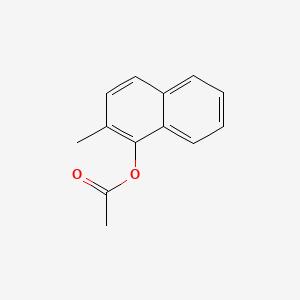
1-ACETOXY-2-METHYLNAPHTHALENE
other
View
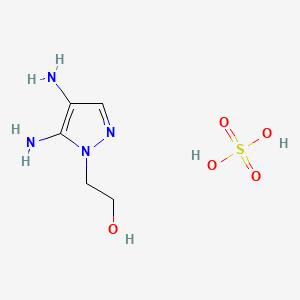
1-HYDROXYETHYL 4,5-DIAMINO PYRAZOLE SULFATE
other
View
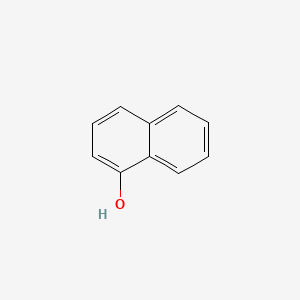
1-NAPHTHOL
1-NAPHTHOL
other
View
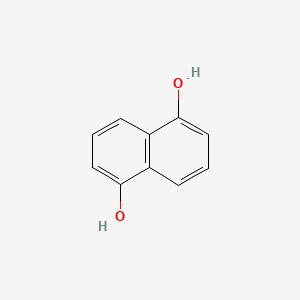
1,5-NAPHTHALENEDIOL
1,5-NAPHTHALENEDIOL
other
View

Loading

Update cookies preferences