2-AMINO-3-HYDROXYPYRIDINE
⚠️ Data is provided for informational purposes only. It may contain inaccuracies and should be independently verified. This is not medical advice. Consult a healthcare professional before making health decisions.

Description: 2-AMINO-3-HYDROXYPYRIDINE — HAIR DYEING.

All Functions: HAIR DYEING

Quick Facts:

  • Category: other
  • Regulatory Note: Restricted in the EU

Proven Benefits At A Glance:

  • 2-Amino-3-hydroxypyridine is an oxidative hair dye ingredient used worldwide
  • A safety panel concluded it is safe at current use levels in hair dye formulations
  • Research shows it can become phototoxic (cell-damaging) when exposed to UV-B sunlight
  • The ingredient absorbs UV-B radiation and creates reactive oxygen species in skin cells
Safety: CautionResearch confidence: Fair

Safety tier is a starting heuristic from regulatory status and comedogenic rating, not a dermatological verdict — see our Terms for the full disclaimer. Research confidence reflects how many real cited studies back this ingredient, not the strength of their findings.

🧪 2-AMINO-3-HYDROXYPYRIDINE

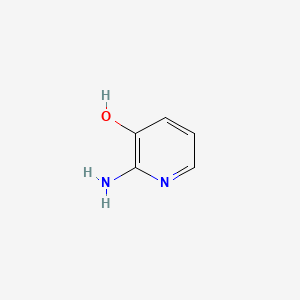
Chemical structure of 2-AMINO-3-HYDROXYPYRIDINE

2-AMINO-3-HYDROXYPYRIDINE

CAS Number: 16867-03-1

Also Known As:

Category: other

EC Number: 240-886-8

Korean Name: 2-아미노-3-히드록시피리딘

2-aminopyridin-3-ol

2-AMINO-3-HYDROXYPYRIDINE is an other ingredient used in skincare formulations.

HAIR DYEING

🌍 Regulatory Status

EU: RestrictedUS: No restriction on file

EU conditions: (a) To be printed on the la­bel: The mixing ratio. “Hair colourants can cause severe allergic reac­tions. Read and follow instruc­tions. This product is not in­tended for use on persons under the age of 16. Temporary ‘black henna’ tattoos may increase your risk of allergy. Do not colour your hair if: — you have a rash on your face or sensitive, irri­tated and damaged scalp, — you have ever experi­enced any reaction after colouring your hair, — you have experienced a reaction to a tempor­ary b‘lack henna’ tattoo in the past.”
(b) As from 3 March 2018, to be printed on the la­bel: The mixing ratio. “This product can cause severe allergic reactions. Read and follow instruc­tions. This product is not in­tended for use on persons under the age of 16. Tem­porary ‘black henna’ tattoos may increase the risk of al­lergy. Eyelashes shall not be co­loured if the consumer: — has a rash on the face or sensitive, irritated and damaged scalp, — has experienced any re­action after colouring hair or eyelashes,— has experienced a reac­tion to a temporary ‘black henna’ tattoo in the past. For professional use only. Rinse eyes immediately if product comes into contact with them”

📊 Comedogenicity

No data yet
Not rated for this ingredient yet.

📚 Research & Evidence

PUBMED CITATIONS
2
Data sources: EU CosIng PubMed

🔬 The Science

2-Amino-3-hydroxypyridine (often called A132 in research) is a synthetic compound used in oxidative hair coloring products, meaning it works by chemically reacting with hair pigment to create permanent color (Int J Toxicol, 2020). #1: Safety at standard use levels — An expert panel reviewing safety data concluded that 2-amino-3-hydroxypyridine is safe when used in typical hair dye formulations at normal concentrations (Int J Toxicol, 2020). However, this assessment focused on the ingredient’s behavior in standard indoor use. #2: Phototoxicity concern with sun exposure — When this ingredient is exposed to UV-B radiation (the type of ultraviolet light from the sun), it absorbs that energy and undergoes a chemical change, creating what researchers call a “photoproduct” within about an hour of exposure (Toxicol Appl Pharmacol, 2016).

In laboratory studies using human skin cells, this sun-activated form of the ingredient significantly reduced cell viability through multiple cell-damage pathways. #3: Mechanism of damage — The sun-activated ingredient triggers the production of reactive oxygen species (ROS)—unstable molecules that damage cells—and causes DNA damage, cell cycle disruption, and programmed cell death (apoptosis) in skin cells (Toxicol Appl Pharmacol, 2016). Researchers documented this through multiple assays including DNA damage markers and mitochondrial stress indicators. #4: Long-term concerns — The research suggests that repeated use of this dye combined with regular sunlight exposure could accumulate oxidative stress in the skin, potentially affecting hair follicle health over time, though this was observed in cell cultures rather than human studies (Toxicol Appl Pharmacol, 2016).

Importantly, the safety conclusion from the expert panel predates and does not address the phototoxicity findings. The gap between “safe in formulation” and “becomes problematic under sun exposure” remains an open question for consumer use.

💧 Skin Type Compatibility

No data yet
Per-skin-type data isn’t curated for this ingredient yet.

⚠️ Don’t Combine With

No data yet
No known incompatibilities on file for this ingredient.

🧴 Products Containing 2-AMINO-3-HYDROXYPYRIDINE

📄 Related Research

Matched by search — not necessarily verified support for every statement above.

Similar Ingredients

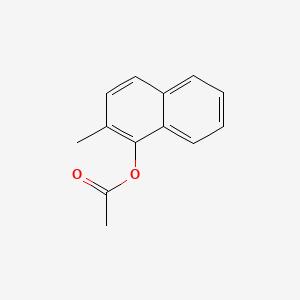
1-ACETOXY-2-METHYLNAPHTHALENE
other
View
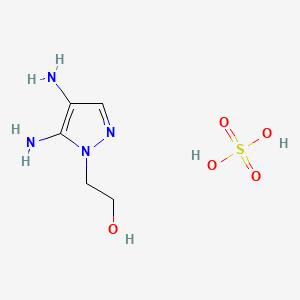
1-HYDROXYETHYL 4,5-DIAMINO PYRAZOLE SULFATE
other
View
1-NAPHTHOL
1-NAPHTHOL
other
View
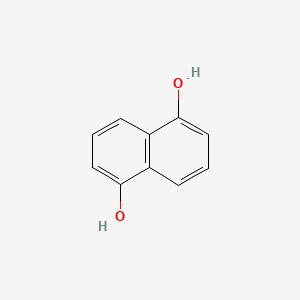
1,5-NAPHTHALENEDIOL
1,5-NAPHTHALENEDIOL
other
View

Loading

Update cookies preferences