
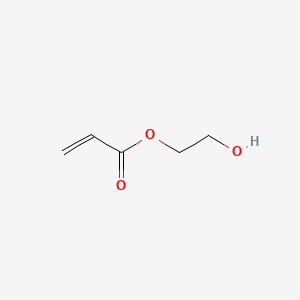
Description: 2-HYDROXYETHYL ACRYLATE — FILM FORMING.
All Functions: FILM FORMING
Quick Facts:
- Category: other
Proven Benefits At A Glance:
- 2-hydroxyethyl acrylate (PHEA) is a synthetic ingredient used in advanced skincare delivery systems
- It can be combined with natural polymers like cellulose and chitosan to create gel-based formulations
- Research has explored its use in hydrogels designed to deliver active ingredients through the skin
- The ingredient’s properties can be adjusted to respond to different pH levels
- Studies have examined its potential in wound dressings and drug delivery, not traditional topical skincare
Safety tier is a starting heuristic from regulatory status and comedogenic rating, not a dermatological verdict — see our Terms for the full disclaimer. Research confidence reflects how many real cited studies back this ingredient, not the strength of their findings.
🧪 2-HYDROXYETHYL ACRYLATE
2-HYDROXYETHYL ACRYLATE
CAS Number: 818-61-1
Also Known As: —
Category: other
EC Number: 212-454-9 (I)
Korean Name: 2-하이드록시에틸아크릴레이트
2-(Acryloyloxy)ethanol,ethylene glycol acrylate,HEA,Hydroxyethyl acrylate,2-Propenoic acid, 2-hydroxyethyl ester
2-HYDROXYETHYL ACRYLATE is an other ingredient used in skincare formulations.
🌍 Regulatory Status
📊 Comedogenicity
📚 Research & Evidence
🔬 The Science
2-hydroxyethyl acrylate is a synthetic chemical monomer that researchers have used to create advanced hydrogel systems—think of these as gel networks that can hold and slowly release other ingredients. Here’s what the available research actually shows:
#1: Delivery Vehicle: When chemists combine 2-hydroxyethyl acrylate with natural polymers like carboxymethyl cellulose (a cellulose derivative), they can create pH-responsive hydrogels that respond to acidity changes. One study in Carbohydrate Polymers (2018) created such a system and found it could effectively deliver naringenin, a plant compound, across the skin. The hydrogel’s structure—a porous 3D network confirmed by electron microscopy—appears to allow controlled release of active ingredients through a process called Fickian diffusion.
The researchers noted potential applications in treating atopic dermatitis, though this was explored in a laboratory setting, not human skin. #2: Material Properties: Research in Carbohydrate Polymers (2016) used 2-hydroxyethyl acrylate grafted onto chitosan (a polymer from shellfish) to create sponge-like dressing materials. These materials showed swelling ability and were tested for biocompatibility in lab conditions. The same study found these materials exhibited antibacterial properties against common bacteria when loaded with the antibiotic levofloxacin, suggesting potential in wound care rather than cosmetic skincare. Important context: The available research focuses on 2-hydroxyethyl acrylate as a structural ingredient in medical delivery systems and wound dressings, not as a standalone skincare ingredient with direct benefits to skin.
No studies examined direct effects on skin appearance, texture, hydration, or aging.
💧 Skin Type Compatibility
⚠️ Don’t Combine With
🧴 Products Containing 2-HYDROXYETHYL ACRYLATE
📄 Related Research
Matched by search — not necessarily verified support for every statement above.
- Mukaijo J et al. (2018). Allergic contact dermatitis caused by 2-hydroxyethyl acrylate in a moisturizing face pack in a handmade acrylic accessory enthusiast. Contact Dermatitis.
- Park SH et al. (2018). A novel pH-responsive hydrogel based on carboxymethyl cellulose/2-hydroxyethyl acrylate for transdermal delivery of naringenin. Carbohydr Polym.
- Siafaka PI et al. (2016). Porous dressings of modified chitosan with poly(2-hydroxyethyl acrylate) for topical wound delivery of levofloxacin. Carbohydr Polym.
Similar Ingredients

📰 More News
-
Bakuchiol: From structural mimicry to systems-level skin biology
PubMed · Jun 2, 2026
-
Rosacea Skincare Including Moisturizers, Serums & Prescribed Creams
The Derm Review · Jun 4, 2026
-
The impact of avobenzone and oxybenzone on fibroblast and keratinocyte membranes. Searching for the role of lipids in the effect of UV filters on skin cells
PubMed · Jun 5, 2026
-
The Best Firming Tightening Anti Aging Body Lotions. For loss of firmness, crepey skin and wrinkles.
The Derm Review · Jun 12, 2026
-
14 of the Best Eczema Creams to Soothe Compromised Skin
The Derm Review · Jun 13, 2026
-
How To Get Rid of Age Spots, Dark Spots & Liver Spots on Hands, Arms, Legs, Body, Face
The Derm Review · Jun 13, 2026