2,6-DIAMINOPYRIDINE
⚠️ Data is provided for informational purposes only. It may contain inaccuracies and should be independently verified. This is not medical advice. Consult a healthcare professional before making health decisions.

Description: 2,6-DIAMINOPYRIDINE — HAIR DYEING.

All Functions: HAIR DYEING

Quick Facts:

  • Category: other
  • Regulatory Note: Restricted in the EU

Proven Benefits At A Glance:

  • 2,6-Diaminopyridine (DAP) is a chemical compound used in dye and pigment manufacturing
  • It can form stable crystal structures and pharmaceutical combinations with other molecules
  • It has been detected in hair dyes and is measurable using specialized analytical methods
  • Limited published research exists on its direct use or effects in skincare products
Safety: CautionResearch confidence: Good

Safety tier is a starting heuristic from regulatory status and comedogenic rating, not a dermatological verdict — see our Terms for the full disclaimer. Research confidence reflects how many real cited studies back this ingredient, not the strength of their findings.

🧪 2,6-DIAMINOPYRIDINE

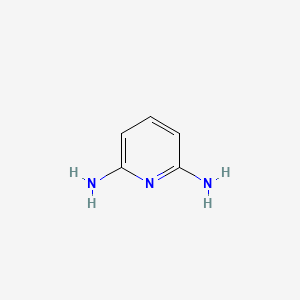
Chemical structure of 2,6-DIAMINOPYRIDINE

2,6-DIAMINOPYRIDINE

CAS Number: 141-86-6

Also Known As:

Category: other

EC Number: 205-507-2

Korean Name: 2,6-디아미노피리딘

Pyridine-2,6-diyldiamine

2,6-DIAMINOPYRIDINE is an other ingredient used in skincare formulations.

HAIR DYEING

🌍 Regulatory Status

EU: RestrictedUS: No restriction on file

EU conditions: (a) To be printed on the label: The mixing ratio. “ Hair colorants can cause severe allergic reactions. Read and follow instructions. This product is not intended for use on persons under the age of 16. Temporary ‘black henna’ tattoos may increase your risk of allergy. Do not colour your hair if: — you have a rash on your face or sensitive, irritated and damaged scalp, — you have ever experienced any reaction after colouring your hair,— you have experienced a reaction to a temporary ‘black henna’ tattoo in the past.”

b) To be printed on the label: The mixing ratio. “For professional use only. This product can cause severe allergic reactions. Read and follow instructions. This product is not intended for use on persons under the age of 16. Temporary ‘black henna’ tattoos may increase the risk of allergy. Eyelashes shall not be coloured if the consumer: — has a rash on the face or sensitive, irritated and damaged scalp, — has experienced any reaction after colouring hair or eyelashes, — has experienced a reaction to a temporary ‘black henna’ tattoo in the past. Rinse eyes immediately if product comes into contact with them.” ’

📊 Comedogenicity

No data yet
Not rated for this ingredient yet.

📚 Research & Evidence

PUBMED CITATIONS
4
Data sources: EU CosIng PubMed

🔬 The Science

2,6-Diaminopyridine, or DAP, is a small organic molecule with the chemical formula C5H7N3. According to Acta Crystallographica C (2017), it is commonly used as an intermediate in making aromatic azo chromophores—chemical structures that create color—which are widespread in industrial dyes and pigments. This industrial use is well-established in the chemical literature. The compound can exist in different solid-state forms. One study in Acta Crystallographica C (2017) documented that DAP can form multiple crystal polymorphs (different structural arrangements of the same molecule), with a less stable Form II that converts to a more stable Form I when heated. DAP also combines with other pharmaceutical compounds: the same journal documented that it forms stable cocrystals—mixed crystals of two different molecules held together by hydrogen bonds—with piracetam and theophylline, suggesting it has chemical compatibility with other organic compounds.

Regarding detection and presence in consumer products, Biosensors and Bioelectronics (2015) reports that #1: DAP has been found in hair dyes and can be measured using molecular imprinting-electrochemical sensors, with detection capability down to 0.0275 mg/kg. This confirms the compound’s presence in at least some hair-coloring formulations. However, the available abstracts focus on DAP’s chemistry, crystal structure, and detection methods rather than its biological effects, safety profile, or skincare-specific benefits. Published skincare research specifically addressing this ingredient’s effects on skin health, barrier function, or cosmetic efficacy is not represented in these sources.

💧 Skin Type Compatibility

No data yet
Per-skin-type data isn’t curated for this ingredient yet.

⚠️ Don’t Combine With

No data yet
No known incompatibilities on file for this ingredient.

🧴 Products Containing 2,6-DIAMINOPYRIDINE

No data yet
No products with this ingredient found in the current database yet.

📄 Related Research

Matched by search — not necessarily verified support for every statement above.

Similar Ingredients

1-ACETOXY-2-METHYLNAPHTHALENE
other
View
1-HYDROXYETHYL 4,5-DIAMINO PYRAZOLE SULFATE
other
View
1-NAPHTHOL
1-NAPHTHOL
other
View
1,5-NAPHTHALENEDIOL
1,5-NAPHTHALENEDIOL
other
View

Loading

Update cookies preferences