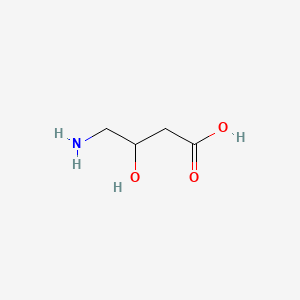
4-AMINO-3-HYDROXYBUTYRIC ACID
CAS 924-49-2 · emollient · EC 213-106-9 · KR 4-아미노-3-하이드록시부티릭애씨드
(±)-4-Amino-3-hydroxybutyric acid
4-AMINO-3-HYDROXYBUTYRIC ACID is an emollient ingredient used in skincare formulations.
Quick facts
Description: 4-AMINO-3-HYDROXYBUTYRIC ACID — SKIN CONDITIONING.
All Functions: SKIN CONDITIONING
Quick Facts:
- Category: emollient
Proven Benefits At A Glance:
- 4-amino-3-hydroxybutyric acid (GABOB) is a synthetic compound that can be manufactured through chemical synthesis
- The ingredient can be reliably measured and identified in skincare products using laboratory testing methods
- Limited publicly available research on skin health or cosmetic applications exists in the provided sources
Chemical Overview
Gamma-amino-beta-hydroxybutyric acid is a gamma-amino acid comprising 4-aminobutyric acid having a 2-hydroxy substituent. It is a gamma-amino acid and a 3-hydroxy monocarboxylic acid. It is functionally related to a butyric acid. It is a conjugate acid of a 4-amino-3-hydroxybutanoate. It is a tautomer of a gamma-amino-beta-hydroxybutyric acid zwitterion. γ-amino-β-hydroxybutyric acid has been reported in Homo sapiens with data available. RN given refers to cpd without isomeric designation
Source(s): ChEBI, Medical Subject Headings (MeSH), LOTUS – the natural products occurrence database, via PubChem
Comedogenicity
Similar Ingredients
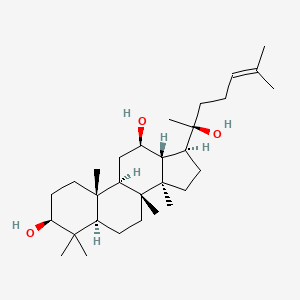

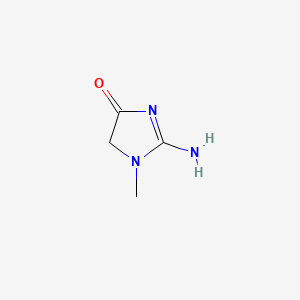
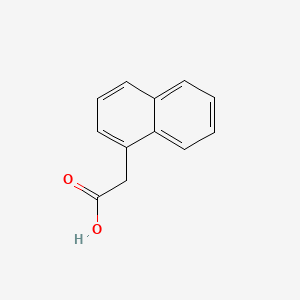
📰 More News
-
The CCL20-CCR6 axis predominantly drives IL-17-mediated psoriasis while modestly contributing to papain-induced type 2 inflammation
PubMed · Jul 11, 2026
-
SkinCeuticals Just Reformulated Its C E Ferulic Serum
Allure · Jul 20, 2026
-
Are Sunscreen Oils Just Tanning Oils in Disguise? Experts Weigh In
Allure · Jul 20, 2026
-
Update to RIFM fragrance ingredient safety assessment, propenylguaethol, CAS Registry Number 94-86-0
PubMed · Jul 20, 2026
-
Earth Harbor Obscura Night Repair Concentrate Review
Allure · Jul 21, 2026
-
Okay, We’ll Bite: Fruity Perfumes Are Cool
Allure · Jul 21, 2026