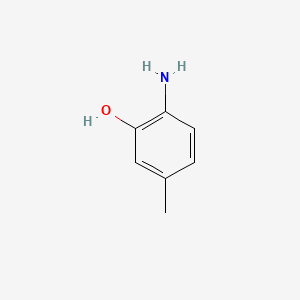
6-AMINO-M-CRESOL
CAS 2835-98-5 · other · EC 220-620-7 · KR 6-아미노-m-크레솔
Avoid1 citation
6-amino-m-cresol
6-AMINO-M-CRESOL is an other ingredient used in skincare formulations.
HAIR DYEING
⚠️ Data is provided for informational purposes only. It may contain inaccuracies and should be independently verified. This is not medical advice. Consult a healthcare professional before making health decisions.
Quick facts
Description: 6-AMINO-M-CRESOL — HAIR DYEING.
All Functions: HAIR DYEING
Quick Facts:
- Category: other
- Regulatory Note: Prohibited in the EU
Proven Benefits At A Glance:
- 6-Amino-m-Cresol is used as an ingredient in oxidative hair dyes (dyes that require mixing with a developer before use)
- When combined with an oxidizing developer, skin absorption is extremely low
- Animal studies showed it was generally not mutagenic (unlikely to cause genetic damage)
- Products containing this ingredient must include caution statements and patch test instructions
- The research notes that some safety data on this ingredient is limited
Comedogenicity
No data yet
Not rated for this ingredient yet.
Similar Ingredients
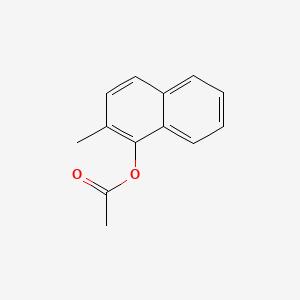
1-ACETOXY-2-METHYLNAPHTHALENE
other
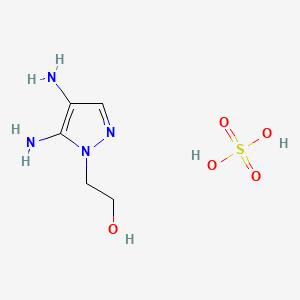
1-HYDROXYETHYL 4,5-DIAMINO PYRAZOLE SULFATE
other
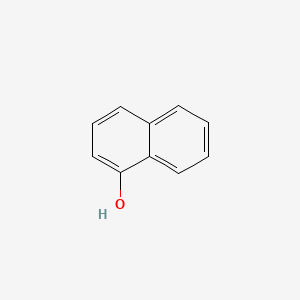
1-NAPHTHOL
other
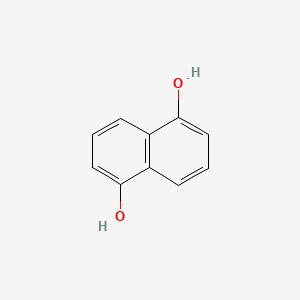
1,5-NAPHTHALENEDIOL
other
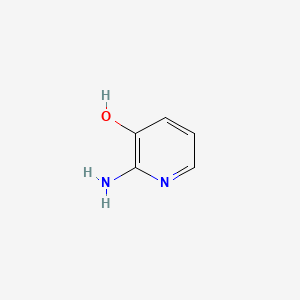
2-AMINO-3-HYDROXYPYRIDINE
other
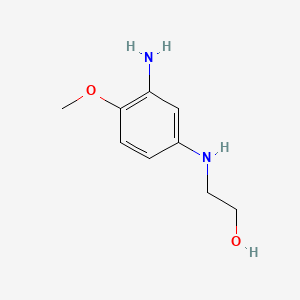
2-AMINO-4-HYDROXYETHYLAMINOANISOLE
other
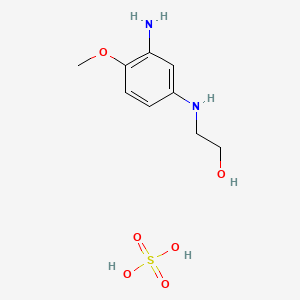
2-AMINO-4-HYDROXYETHYLAMINOANISOLE SULFATE
other
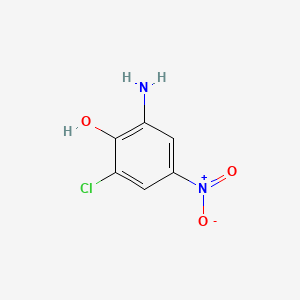
2-AMINO-6-CHLORO-4-NITROPHENOL
other
📰 More News
-
The CCL20-CCR6 axis predominantly drives IL-17-mediated psoriasis while modestly contributing to papain-induced type 2 inflammation
PubMed · Jul 11, 2026
-
SkinCeuticals Just Reformulated Its C E Ferulic Serum
Allure · Jul 20, 2026
-
Are Sunscreen Oils Just Tanning Oils in Disguise? Experts Weigh In
Allure · Jul 20, 2026
-
Update to RIFM fragrance ingredient safety assessment, propenylguaethol, CAS Registry Number 94-86-0
PubMed · Jul 20, 2026
-
Earth Harbor Obscura Night Repair Concentrate Review
Allure · Jul 21, 2026
-
Okay, We’ll Bite: Fruity Perfumes Are Cool
Allure · Jul 21, 2026