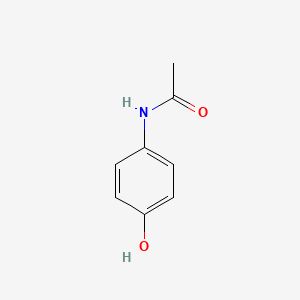
ACETAMINOPHEN
CAS 103-90-2 · emollient · EC 203-157-5 · KR 아세트아미노펜
Acetamide, N-(4-hydroxyphenyl)-
ACETAMINOPHEN is an emollient ingredient used in skincare formulations.
Quick facts
Description: ACETAMINOPHEN — SKIN CONDITIONING.
All Functions: SKIN CONDITIONING
Quick Facts:
- Category: emollient
Proven Benefits At A Glance:
- Acetaminophen is a pain reliever and fever reducer with no anti-inflammatory action
- For knee osteoarthritis, topical NSAIDs outperformed acetaminophen in clinical trials
- Rare but serious allergic reactions to acetaminophen have been documented in some people
- Acetaminophen has been associated with severe skin reactions like Stevens-Johnson syndrome, though these are uncommon
- Most people tolerate acetaminophen well
Chemical Overview
4-hydroxyacetanilide is an odorless white crystalline solid. Bitter taste. pH (saturated aqueous solution) about 6. (NTP, 1992) Paracetamol is a member of the class of phenols that is 4-aminophenol in which one of the hydrogens attached to the amino group has been replaced by an acetyl group. It has a role as a ferroptosis inducer, a geroprotector, a non-steroidal anti-inflammatory drug, a non-narcotic analgesic, an antipyretic, a xenobiotic, a cyclooxygenase 2 inhibitor, a cyclooxygenase 1 inhibitor, a hepatotoxic agent, a cyclooxygenase 3 inhibitor, an environmental contaminant and a human blood serum metabolite. It is a member of acetamides and a member of phenols. It is functionally related to a 4-aminophenol. Acetaminophen (paracetamol), also commonly known as Tylenol, is the most commonly taken analgesic worldwide and is recommended as first-line therapy in pain conditions by the World Health Organization (WHO). It is also used for its antipyretic effects, helping to reduce fever. This drug was initially approved by the U.S. FDA in 1951 and is available in a variety of forms including syrup form, regular tablets, effervescent tablets, injection, suppository, and other forms. Acetaminophen is often found combined with other drugs in more than 600 over the counter (OTC) allergy medications, cold medications, sleep medications, pain relievers, and other products. Confusion about dosing of this drug may be caused by the availability of different formulas, strengths, and dosage instructions for children of different ages. Due to the possibility of fatal overdose and liver failure associated with the incorrect use of acetaminophen, it is important to follow current and available national and manufacturer dosing guidelines while this drug is taken or prescribed. On September 22, 2025, the US FDA initiated a labeling change for acetaminophen products suggesting that the use of acetaminophen by pregnant women may be associated with an increased risk of neurological conditions such as autism and ADHD in children. While the FDA updated labeling to caution about potential risks, large studies, national and international health authorities, and professional organizations – including the Society of Obstetricians and Gynaecologists of Canada (SOGC) and the American College of Obstetricians and Gynecologists (ACOG)- maintain that acetaminophen use in pregnancy remains a first-line therapeutic option when used at the lowest effective dose for the shortest required duration.
Source(s): CAMEO Chemicals, ChEBI, DrugBank, via PubChem
Comedogenicity
Similar Ingredients

📰 More News
-
The CCL20-CCR6 axis predominantly drives IL-17-mediated psoriasis while modestly contributing to papain-induced type 2 inflammation
PubMed · Jul 11, 2026
-
SkinCeuticals Just Reformulated Its C E Ferulic Serum
Allure · Jul 20, 2026
-
Are Sunscreen Oils Just Tanning Oils in Disguise? Experts Weigh In
Allure · Jul 20, 2026
-
Update to RIFM fragrance ingredient safety assessment, propenylguaethol, CAS Registry Number 94-86-0
PubMed · Jul 20, 2026
-
Earth Harbor Obscura Night Repair Concentrate Review
Allure · Jul 21, 2026
-
Okay, We’ll Bite: Fruity Perfumes Are Cool
Allure · Jul 21, 2026