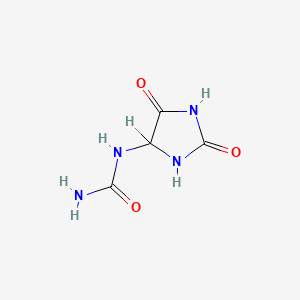
ALLANTOIN
CAS 97-59-6 · active · EC 202-592-8 · KR 알란토인
Urea, (2,5-dioxo-4-imidazolidinyl)-
ALLANTOIN is an active ingredient used in skincare formulations.
Quick facts
Description: ALLANTOIN — soothing, skin protectant, supports wound healing.
All Functions: soothing, skin protectant, supports wound healing
Quick Facts:
- Category: active
Proven Benefits At A Glance:
- Allantoin is a compound widely used in topical skincare products and pharmaceuticals
- It’s considered safe for cosmetic use at concentrations up to 2%
- Research suggests it may help support skin barrier function and hydration
- In one clinical study, allantoin-containing gel reduced redness, itching, and burning in rosacea patients
- The ingredient has shown antibacterial properties in laboratory research
Chemical Overview
Allantoin is an imidazolidine-2,4-dione that is 5-aminohydantoin in which a carbamoyl group is attached to the exocyclic nitrogen. It has a role as a vulnerary, a Saccharomyces cerevisiae metabolite, an Escherichia coli metabolite and a human metabolite. It is an imidazolidine-2,4-dione and a member of ureas. It is functionally related to a hydantoin. It is a tautomer of a 1-(5-hydroxy-2-oxo-2,3-dihydroimidazol-4-yl)urea. Allantoin is a substance that is endogenous to the human body and also found as a normal component of human diets. In healthy human volunteers, the mean plasma concentration of allantoin is about 2-3 mg/l. During exercise, the plasma allantoin concentration rapidly increases about two fold and remains elevated. In human muscle, urate is oxidized to allantoin during such exercise. The concentration of allantoin in muscles increases from a resting value of about 5000 ug/kg to about 16000 ug/kg immediately after short-term exhaustive cycling exercise. More specifically, allantoin is a diureide of glyoxylic acid that is produced from uric acid. It is a major metabolic intermediate in most organisms. Allantoin is found in OTC cosmetic products and other commercial products such as oral hygiene products, in shampoos, lipsticks, anti-acne products, sun care products, and clarifying lotions. Allantoin has also demonstrated to ameliorate the wound healing process in some studies. Allantoin is a metabolite found in or produced by Escherichia coli (strain K12, MG1655).
Source(s): ChEBI, DrugBank, E. coli Metabolome Database (ECMDB), via PubChem
Comedogenicity
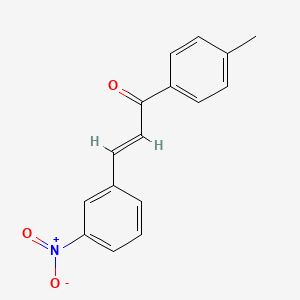
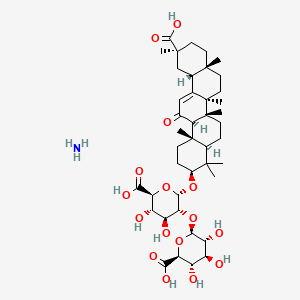
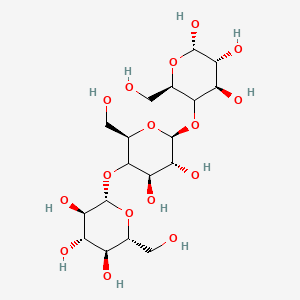
Similar Ingredients

📰 More News
-
The CCL20-CCR6 axis predominantly drives IL-17-mediated psoriasis while modestly contributing to papain-induced type 2 inflammation
PubMed · Jul 11, 2026
-
SkinCeuticals Just Reformulated Its C E Ferulic Serum
Allure · Jul 20, 2026
-
Are Sunscreen Oils Just Tanning Oils in Disguise? Experts Weigh In
Allure · Jul 20, 2026
-
Update to RIFM fragrance ingredient safety assessment, propenylguaethol, CAS Registry Number 94-86-0
PubMed · Jul 20, 2026
-
Earth Harbor Obscura Night Repair Concentrate Review
Allure · Jul 21, 2026
-
Okay, We’ll Bite: Fruity Perfumes Are Cool
Allure · Jul 21, 2026