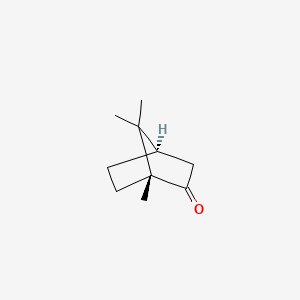
CAMPHOR
CAS 464-49-3 / 76-22-2 · active · EC 207-355-2 / 200-945-0 · KR 캠퍼
1,7,7-Trimethylbicyclo[2.2.1]-2-heptanone; Bornan-2-one
CAMPHOR is an active ingredient used in skincare formulations.
Quick facts
Description: CAMPHOR — cooling sensation, mild antimicrobial (can be irritating at high concentration).
All Functions: cooling sensation, mild antimicrobial (can be irritating at high concentration)
Quick Facts:
- Category: active
- Regulatory Note: Restricted in the EU
Proven Benefits At A Glance:
- Camphor is a natural compound (bicyclic monoterpene ketone) studied for potential skin infection prevention
- Research documents anti-inflammatory, antibacterial, and antifungal properties in camphor
- Camphor is a weak sensory irritant that can increase burning sensations on skin
- Ingestion or significant dermal absorption of camphor carries serious toxicity risks, especially in children
- Even small amounts of camphor can be dangerous if ingested; topical use in adults appears safer than ingestion
Chemical Overview
Camphor appears as a colorless or white colored crystalline powder with a strong mothball-like odor. About the same density as water. Emits flammable vapors above 150 °F. Used to make moth proofings, pharmaceuticals, and flavorings. Camphor is a cyclic monoterpene ketone that is bornane bearing an oxo substituent at position 2. A naturally occurring monoterpenoid. It has a role as a plant metabolite. It is a bornane monoterpenoid and a cyclic monoterpene ketone. Camphor is a bicyclic monoterpene ketone found widely in plants, especially Cinnamomum camphora. It is used topically as a skin antipruritic and as an anti-infective agent. When ingested, camphor has a rapid onset of toxic effects, and camphorated oil is the product most often responsible for its toxicity. The FDA ruled that camphorated oil could not be marketed in the United States and that no product could contain a concentration higher than 11%. It appears in the list of drug products withdrawn or removed from the market for safety or effectiveness. However, camphor can be found in several nonprescription medications at lower concentrations.
Source(s): ChEBI, DrugBank, CAMEO Chemicals, via PubChem
Comedogenicity
Similar Ingredients
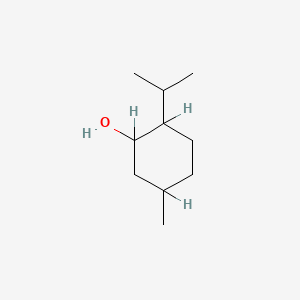

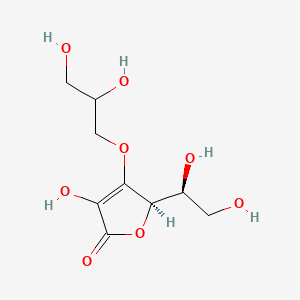
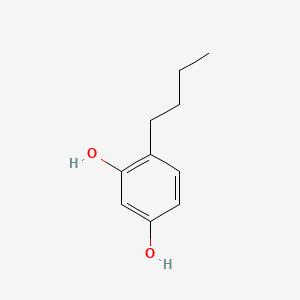
📰 More News
-
The CCL20-CCR6 axis predominantly drives IL-17-mediated psoriasis while modestly contributing to papain-induced type 2 inflammation
PubMed · Jul 11, 2026
-
SkinCeuticals Just Reformulated Its C E Ferulic Serum
Allure · Jul 20, 2026
-
Are Sunscreen Oils Just Tanning Oils in Disguise? Experts Weigh In
Allure · Jul 20, 2026
-
Update to RIFM fragrance ingredient safety assessment, propenylguaethol, CAS Registry Number 94-86-0
PubMed · Jul 20, 2026
-
Earth Harbor Obscura Night Repair Concentrate Review
Allure · Jul 21, 2026
-
Okay, We’ll Bite: Fruity Perfumes Are Cool
Allure · Jul 21, 2026