Mia Seilern
⚠️ Data is provided for informational purposes only. It may contain inaccuracies and should be independently verified. This is not medical advice. Consult a healthcare professional before making health decisions.

Description: DISODIUM EDTA — chelating agent, stabilizes formulations.

All Functions: chelating agent, stabilizes formulations

Quick Facts:

  • Category: other
  • Also Known As: edta dissodium, edta disódico

Proven Benefits At A Glance:

  • DISODIUM EDTA is a chelating agent—it binds to certain minerals and metals
  • Used in skincare at concentrations below 2%
  • Research shows it is not absorbed through skin in meaningful amounts
  • Classified as safe for use in cosmetic formulations by expert review
  • May affect how other chemicals penetrate the skin
Safety: Generally Low ConcernResearch confidence: Good

Safety tier is a starting heuristic from regulatory status and comedogenic rating, not a dermatological verdict — see our Terms for the full disclaimer. Research confidence reflects how many real cited studies back this ingredient, not the strength of their findings.

Pregnancy safe

🧪 DISODIUM EDTA

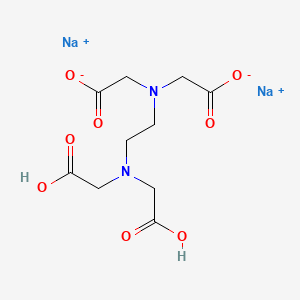
Chemical structure of DISODIUM EDTA

DISODIUM EDTA

CAS Number: 139-33-3 — 6381-92-6

Also Known As: edta dissodium, edta disódico

Category: other

EC Number: 205-358-3

Korean Name: 다이소듐이디티에이

Disodium dihydrogen ethylenediaminetetraacetate

DISODIUM EDTA is an other ingredient used in skincare formulations.

chelating agentstabilizes formulations

🌍 Regulatory Status

EU: No restriction on fileUS: No restriction on file

📊 Comedogenicity

No data yet
Not rated for this ingredient yet.

📚 Research & Evidence

PUBMED CITATIONS
3
Data sources: EU CosIng PubMed

🔬 The Science

DISODIUM EDTA (also called Na2EDTA or disodium ethylenediaminetetraacetate) belongs to a family of chelating agents—molecules that grab onto and bind metals and certain minerals. In skincare, it typically appears at concentrations under 2% (Int J Toxicol, 2002). Here’s what the science actually shows: #1: Skin absorption is minimal. Clinical testing found no meaningful absorption of EDTA salts through healthy skin (Int J Toxicol, 2002). #2: It’s not carcinogenic. While lab studies did find these ingredients were weakly genotoxic and cytotoxic at very high doses, they were not carcinogenic (Int J Toxicol, 2002). #3: It may alter skin permeability. Because EDTA chelates (binds to) calcium—a mineral important for skin barrier function—it could theoretically affect how easily other chemicals pass through skin.

This is why formulators are advised to be cautious when combining it with other ingredients (Int J Toxicol, 2002). One practical research application: DISODIUM EDTA has been studied in specialized eye gels (0.1% concentration) combined with antimicrobial agents to treat serious eye infections, where its chelating properties helped boost the effectiveness of the active treatment (Int J Pharm, 2019). However, this was a medical context, not cosmetic skincare. A note on mineral balance: Animal studies of a related calcium-EDTA compound showed it could increase urinary loss of zinc, copper, and manganese—essential minerals (Toxicology, 1992). This was observed with injectable dosing, not topical skincare application, but it highlights that chelating agents do interact with mineral metabolism systemically when absorbed.

Bottom line from expert review: the Cosmetic Ingredient Review Expert Panel determined DISODIUM EDTA is safe as currently used in cosmetic formulations, with typical exposure levels well below those shown to cause harm in animal studies (Int J Toxicol, 2002).

💧 Skin Type Compatibility

100%
Sensitive
100%
Oily
100%
Dry
100%
Combination
100%
Acne-prone
100%
Normal

Derived from this ingredient’s irritancy potential and comedogenicity rating against the needs of each skin type — e.g. oily and acne-prone skin are marked down for pore-clogging ingredients, sensitive skin for irritants. A starting heuristic, not a dermatological verdict.

⚠️ Don’t Combine With

No data yet
No known incompatibilities on file for this ingredient.

🧴 Products Containing DISODIUM EDTA

📄 Related Research

Matched by search — not necessarily verified support for every statement above.

Similar Ingredients

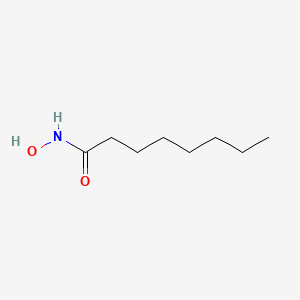
CAPRYLHYDROXAMIC ACID
preservative
View
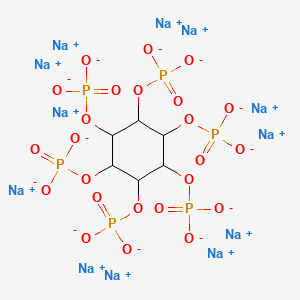
SODIUM PHYTATE
SODIUM PHYTATE
other
View
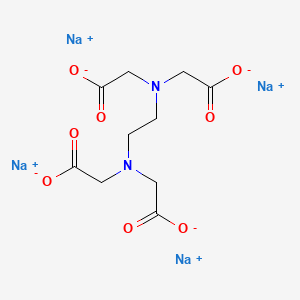
TETRASODIUM EDTA
TETRASODIUM EDTA
other
View
化粧品表示名称 成分詳細
化粧品表示名称 成分詳細
active
View
<I>ALOE VERA</I>, WHOLE LEAF EXTRACT
other
View
<I>TERT</I>-BUTYL ALCOHOL
other
View
1-ACETOXY-2-METHYLNAPHTHALENE
other
View
1-HYDROXYETHYL 4,5-DIAMINO PYRAZOLE SULFATE
other
View