Mia Seilern
⚠️ Data is provided for informational purposes only. It may contain inaccuracies and should be independently verified. This is not medical advice. Consult a healthcare professional before making health decisions.

Description: GLYCINE SOJA OIL — moisturizing (Soybean Oil).

All Functions: moisturizing (Soybean Oil)

Quick Facts:

  • Category: emollient
  • Comedogenic Rating: 3/5

Proven Benefits At A Glance:

  • Glycine soja (wild soybean) is the ancestor of cultivated soybean and contains valuable genetic traits
  • Wild soybean seeds contain protein, oil, amino acids, and various enzymes
  • Research has identified specific genes in wild soybean linked to protein and oil content
  • Wild soybean varieties show different levels of beneficial compounds like oleic acid and linolenic acid
  • Glycine soja oil comes from seeds that also contain stress-resistance genes
Safety: ModerateResearch confidence: Good

Safety tier is a starting heuristic from regulatory status and comedogenic rating, not a dermatological verdict — see our Terms for the full disclaimer. Research confidence reflects how many real cited studies back this ingredient, not the strength of their findings.

🧪 GLYCINE SOJA OIL

Chemical structure of GLYCINE SOJA OIL

GLYCINE SOJA OIL

CAS Number: 8001-22-7

Also Known As:

Category: emollient

EC Number: 232-274-4

Glycine Soja Oil is the oil obtained from the soybean, Glycine soja, Leguminosae, by extraction or expression. It consists esentially of triglycerides of oleic, linoleic and saturated acids

GLYCINE SOJA OIL is an emollient ingredient used in skincare formulations.

moisturizing (Soybean Oil)

🌍 Regulatory Status

EU: No restriction on fileUS: No restriction on file

📊 Comedogenicity

🟥🟥🟥⬜⬜

3/5

📚 Research & Evidence

PUBMED CITATIONS
5
Data sources: EU CosIng PubMed

🔬 The Science

Glycine soja oil is extracted from wild soybean seeds, the ancestral relative of cultivated soybean (Glycine max). Understanding this oil requires knowing what’s actually in the seeds it comes from. Soybean seeds are roughly 40% protein and 20% oil by composition (Int J Mol Sci, 2023). However, #1: protein and oil content show a strong negative correlation—meaning seeds bred for higher oil tend to have lower protein, and vice versa (Plants (Basel), 2023; Int J Mol Sci, 2023). This trade-off is controlled by multiple genes at specific locations on the soybean genome. #2: Wild soybean accessions contain varying levels of fatty acids.

Research on wild soybean (Glycine soja) specimens identified that certain accessions had notably higher oleic acid and linolenic acid content compared to others, along with different enzyme activity profiles (Dokl Biol Sci, 2024). These fatty acid profiles are part of what makes up the oil extracted from these seeds. #3: Some wild soybean varieties also contain genes that confer stress resistance. A protease inhibitor called GsKTI, found in wild soybean, has been shown in laboratory studies to enhance drought tolerance and insect resistance when introduced into test plants (Plant Physiol Biochem, 2023). Whether this trait translates to meaningful benefits in commercial Glycine soja oil products is not addressed in these research sources.

The sources focus primarily on wild soybean as a genetic resource for breeding improved cultivated soybean varieties rather than on Glycine soja oil as a finished skincare ingredient. None of the abstracts provide clinical evidence, usage data, or specific skincare benefits of Glycine soja oil itself.

💧 Skin Type Compatibility

94%
Sensitive
40%
Oily
94%
Dry
86%
Combination
40%
Acne-prone
92%
Normal

Derived from this ingredient’s irritancy potential and comedogenicity rating against the needs of each skin type — e.g. oily and acne-prone skin are marked down for pore-clogging ingredients, sensitive skin for irritants. A starting heuristic, not a dermatological verdict.

⚠️ Don’t Combine With

No data yet
No known incompatibilities on file for this ingredient.

🧴 Products Containing GLYCINE SOJA OIL

📄 Related Research

Matched by search — not necessarily verified support for every statement above.

Similar Ingredients

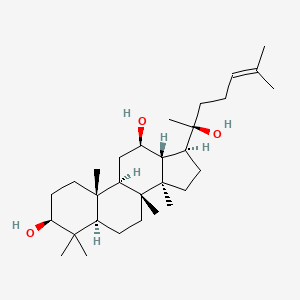
(20S)-PROTOPANAXADIOL
emollient
View
(ANGELICA ACUTILOBA/PAEONIA LACTIFLORA) ROOT/CNIDIUM OFFICINALE RHIZOME EXTRACT
emollient
View
1-METHYLHYDANTOIN-2-IMIDE
emollient
View
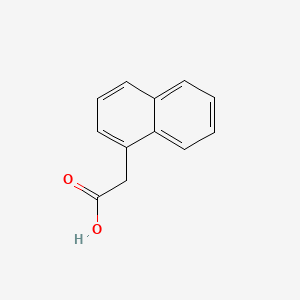
1-NAPHTHALENEACETIC ACID
emollient
View
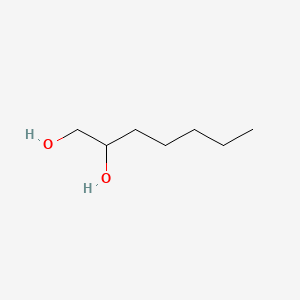
1,2-HEPTANEDIOL
1,2-HEPTANEDIOL
emollient
View
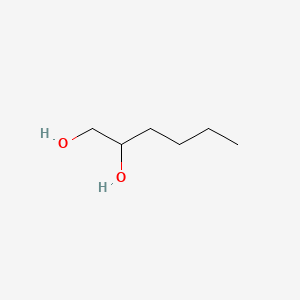
1,2-HEXANEDIOL
1,2-HEXANEDIOL
emollient
View
10-HYDROXYDECANOIC ACID
emollient
View
10-HYDROXYDECENOIC ACID
emollient
View