Description: HYDROGENATED LECITHIN — emulsifier, skin conditioning.
All Functions: emulsifier, skin conditioning
Quick Facts:
- Category: emollient
Proven Benefits At A Glance:
- Hydrogenated Lecithin is a modified form of lecithin, a naturally occurring fat-like substance
- Used in skincare as a skin conditioning agent and to help mix oil and water in formulas
- Generally considered non-irritating and non-sensitizing in animal and human skin tests
- Can form structures called liposomes that may help deliver other ingredients through the skin
- Considered safe in rinse-off products and leave-on products at concentrations up to 15%
Safety tier is a starting heuristic from regulatory status and comedogenic rating, not a dermatological verdict — see our Terms for the full disclaimer. Research confidence reflects how many real cited studies back this ingredient, not the strength of their findings.
🧪 HYDROGENATED LECITHIN
HYDROGENATED LECITHIN
CAS Number: 92128-87-5
Also Known As: —
Category: emollient
EC Number: 295-786-7
Korean Name: 하이드로제네이티드레시틴
Lecithins, hydrogenated
HYDROGENATED LECITHIN is an emollient ingredient used in skincare formulations.
🌍 Regulatory Status
📊 Comedogenicity
📚 Research & Evidence
🔬 The Science
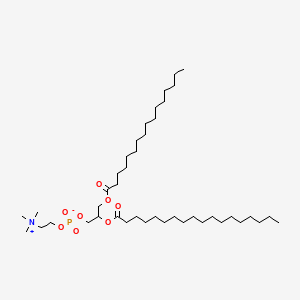
Hydrogenated Lecithin starts as lecithin, a naturally occurring mixture of fat molecules (specifically diglycerides of stearic, palmitic, and oleic acids) attached to a phosphoric acid and choline compound, technically called phosphatidylcholine. The hydrogenation process—controlled addition of hydrogen—modifies this ingredient’s structure (Int J Toxicol, 2001). In skincare formulations, Hydrogenated Lecithin serves multiple purposes: #1: it conditions skin and #2: it acts as an emulsifying agent, helping to blend oil and water-based ingredients together. It can also #3: suspend particles in a formula without acting as a surfactant (Int J Toxicol, 2001). One interesting property is that Hydrogenated Lecithin can form microscopic spherical structures called liposomes when mixed with water.
These hollow spheres have a particular architecture—their fatty tails point inward, away from water—which allows them to #4: potentially capture other compounds inside and help deliver them through the skin barrier (Int J Toxicol, 2001). However, because liposomes may enhance penetration of other ingredients, formulas combining Hydrogenated Lecithin with other ingredients should be carefully designed, especially if those other ingredients aren’t meant to be absorbed (Int J Toxicol, 2001). Typical concentrations in cosmetics range from 0.1% to 1.0%, though some moisturizers use up to 3% (Int J Toxicol, 2001). Safety data shows that Hydrogenated Lecithin and Lecithin were generally non-irritating and non-sensitizing in both animal and human skin studies.
Based on available evidence, both are considered safe for rinse-off products and #5: for leave-on products at concentrations up to 15%, which was the highest concentration tested in clinical studies (Int J Toxicol, 2001). One caveat: these ingredients should not be used in products where they might combine with N-nitroso compounds, as nitrosamines could potentially form (Int J Toxicol, 2001).
💧 Skin Type Compatibility
⚠️ Don’t Combine With
🧴 Products Containing HYDROGENATED LECITHIN
- Lavera Crème hydratante
- shampoo
- lavera Händchenhalten Handcreme
- lavera Straffende Nachtpflege
- Lavera Body Milk Sensitiv – Lavera
- Lavera, Lavera Naturkosmetik, Laverana Crème Basis Sensitiv
- Essence I love flaw less skin
- Alterra Hydro Tagescreme Bio-Traube & Bio-Weisser Tee
- RETINOL RETINOL SKIN CREAM
- Tiger Moon Retinol Night Cream
- Charlotte Tilbury magic eye
- iWHITE instant teeth whitening
- Léa Nature, So’ Bio étic BB cream texture légère perfecteur de teint – 01 beige nude
- Léa Nature So’bio étic Précieux Argan- Sérum éclat anti-age
- Léa Nature Léa nature eau thermale Jonzac
- Clean & Clear Dual Action Moisturizer
- aroma zone Soin neutre Lait végétal
- Lavera Mineral Compact Powder – Ivory 01
- bareMinerals Performance Wear Liquid Foundation
- Clinique Clinique Moisture Surge 100H Auto-Replenishing Hydrator 75 ml
📄 Related Research
Matched by search — not necessarily verified support for every statement above.
Similar Ingredients


📰 More News
-
The CCL20-CCR6 axis predominantly drives IL-17-mediated psoriasis while modestly contributing to papain-induced type 2 inflammation
PubMed · 23 days ago
-
SkinCeuticals Just Reformulated Its C E Ferulic Serum
Allure · 14 days ago
-
Are Sunscreen Oils Just Tanning Oils in Disguise? Experts Weigh In
Allure · 14 days ago
-
Update to RIFM fragrance ingredient safety assessment, propenylguaethol, CAS Registry Number 94-86-0
PubMed · 14 days ago
-
Earth Harbor Obscura Night Repair Concentrate Review
Allure · 13 days ago
-
Okay, We’ll Bite: Fruity Perfumes Are Cool
Allure · 13 days ago