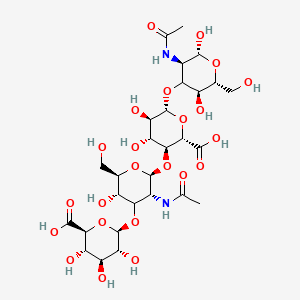
Description: HYDROLYZED WHEAT PROTEIN — hydration, film-forming (possible allergen for wheat-sensitive users).
All Functions: hydration, film-forming (possible allergen for wheat-sensitive users)
Quick Facts:
- Category: humectant
- Regulatory Note: Restricted in the EU
Proven Benefits At A Glance:
- Hydrolyzed wheat protein is a conditioning agent used in skincare and haircare products
- When properly formulated (peptides averaging 3,500 Da or less), it’s considered safe by cosmetic safety experts
- In rare cases, it has been linked to allergic reactions, including severe ones in sensitized individuals
- The risk appears highest for people already sensitized to wheat or wheat proteins
Safety tier is a starting heuristic from regulatory status and comedogenic rating, not a dermatological verdict — see our Terms for the full disclaimer. Research confidence reflects how many real cited studies back this ingredient, not the strength of their findings.
🧪 HYDROLYZED WHEAT PROTEIN
HYDROLYZED WHEAT PROTEIN
CAS Number: 94350-06-8 / 222400-28-4 / 70084-87-6 / 100209- 50-5
Also Known As: —
Category: humectant
EC Number: 305-225-0 / – / 309-358-5
Korean Name: 하이드롤라이즈드밀단백질
Protein hydrolyzates, wheat germ. Substance obtained by acidic, alkaline, or enzymatic hydrolysis of wheat germ composed primarily of amino acids, peptides, and proteins. It may contain impurities consisting chiefly of carbohydrates and lipids along with smaller quantities of miscellaneous organic substances of biological origin
HYDROLYZED WHEAT PROTEIN is a humectant ingredient used in skincare formulations.
🌍 Regulatory Status
📊 Comedogenicity
📚 Research & Evidence
🔬 The Science
Hydrolyzed wheat protein is created by breaking down wheat proteins into smaller pieces called peptides. The ingredient functions as a skin- and hair-conditioning agent (Int J Toxicol, 2018). #1: Safety when properly formulated — The Cosmetic Ingredient Review Expert Panel determined that hydrolyzed wheat protein is safe for cosmetic use when formulated so peptides don’t exceed an average molecular weight of 3,500 Da (a unit measuring molecular size) and polypeptide lengths stay under 30 amino acids. At these specifications, the Panel found sufficient evidence that the ingredient will not trigger immediate allergic reactions in people already sensitized to wheat, nor will it cause new sensitization (Int J Toxicol, 2018).
#2: Allergic potential in specific populations — However, research shows the picture is more complex. Studies have documented cases where people developed wheat allergies after skin exposure to hydrolyzed wheat protein in facial soaps, even when the formulation met safety guidelines. A case-control study of Japanese women found that current use of a specific hydrolyzed wheat protein-containing facial soap was associated with increased wheat allergy risk (adjusted odds ratio of 2.6), with the association stronger in people with recently-developed wheat allergies (Allergy, 2014). Laboratory testing revealed that hydrolyzed wheat protein can activate immune cells in people sensitized through skin exposure differently than in people with food-based wheat allergies—and that longer hydrolysis times didn’t consistently reduce this activation (Int Arch Allergy Immunol, 2013).
#3: How it may trigger sensitivity — Research on human skin cells suggests that allergenic hydrolyzed wheat protein activates inflammatory pathways in the outer layer of skin (keratinocytes), potentially creating conditions that favor allergic sensitization through a mechanism involving immune signaling molecules (J Toxicol Sci, 2020). This explains why repeated skin contact, rather than ingestion, has been the route associated with documented allergic reactions. The sources show a disconnect: while safety panels concluded properly-formulated hydrolyzed wheat protein is safe, real-world cases and mechanistic studies document that skin sensitization does occur in some individuals. Current evidence suggests the risk is real but appears uncommon, and highest for people with existing wheat sensitivity or those using products repeatedly over time.
💧 Skin Type Compatibility
⚠️ Don’t Combine With
🧴 Products Containing HYDROLYZED WHEAT PROTEIN
- shampoo
- Alverde alverde coffein shampoo
- alverde Naturkosmetik Repair Spülung strapaziertes & brüchiges Haar
- Balea, Balea professional Glossy blond Spülung, naturblondes und blondiertes Haar
- Balea Professional, dm Blond Shampoo
- Dresdner Essenz Ruhe Pur Badekonzentrat
- alverde Volumen-Kick Shampoo Bio-Kiwi Bio-Apfelminze
- Alverde Repair Shampoo
- DM Alverde Naturkosmetik Shampoo Feuchtigkeit Aloe Vera & Hyaluron
- Alterra Mandelmilch-Shampoo
- Dirk Rossmann GmbH Isana Blütenkraft
- Natura Siberica Shamppoing cheveux colorés et abimés
- naturnua energy essence
- TandheM Neurocosmetics,TandheM Active Botanical Eye Contour (15ml)
- L’OREAL NORGE AS Excellence 5.5 Lys Mahognibrun
- L’OREAL NORGE AS Excellence 6 MørkeBlond
- semilac Nail conditioner
- Elmiplant Skin Moisture
- lilas cosmetics oil replacement
- Carol’s Daughter Carol’s Daughter Hair Milk Original Leave-In Moisturizer
📄 Related Research
Matched by search — not necessarily verified support for every statement above.
- Burnett C et al. (2018). Safety Assessment of Hydrolyzed Wheat Protein and Hydrolyzed Wheat Gluten as Used in Cosmetics. Int J Toxicol.
- Nakamura R et al. (2013). Evaluation of allergenicity of acid-hydrolyzed wheat protein using an in vitro elicitation test. Int Arch Allergy Immunol.
- Kuroda Y et al. (2020). An acid-hydrolyzed wheat protein activates the inflammatory and NF-κB pathways leading to long TSLP transcription in human keratinocytes. J Toxicol Sci.
- Fukutomi Y et al. (2014). Epidemiological link between wheat allergy and exposure to hydrolyzed wheat protein in facial soap. Allergy.
- Hirata JI et al. (2015). Diagnosis and long-term management of hydrolyzed wheat protein wheat-dependent exercise-induced anaphylaxis. Acute Med Surg.
Similar Ingredients
📰 More News
-
The CCL20-CCR6 axis predominantly drives IL-17-mediated psoriasis while modestly contributing to papain-induced type 2 inflammation
PubMed · 23 days ago
-
SkinCeuticals Just Reformulated Its C E Ferulic Serum
Allure · 14 days ago
-
Are Sunscreen Oils Just Tanning Oils in Disguise? Experts Weigh In
Allure · 14 days ago
-
Update to RIFM fragrance ingredient safety assessment, propenylguaethol, CAS Registry Number 94-86-0
PubMed · 14 days ago
-
Earth Harbor Obscura Night Repair Concentrate Review
Allure · 13 days ago
-
Okay, We’ll Bite: Fruity Perfumes Are Cool
Allure · 13 days ago